Table of Contents
Key Takeaways
- Effective softening reduces scaling potential by 85-92% in downstream membrane systems, extending membrane life by 2-3 years
- control valve failures account for 35% of unplanned ZLD system shutdowns, with average repair costs exceeding $45,000 per incident
- Automated regeneration control reduces salt consumption by 28-35% compared to time-clock based systems
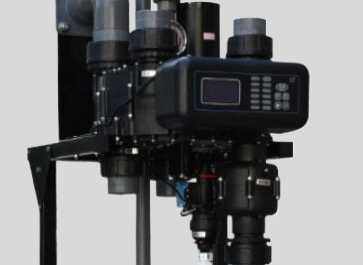
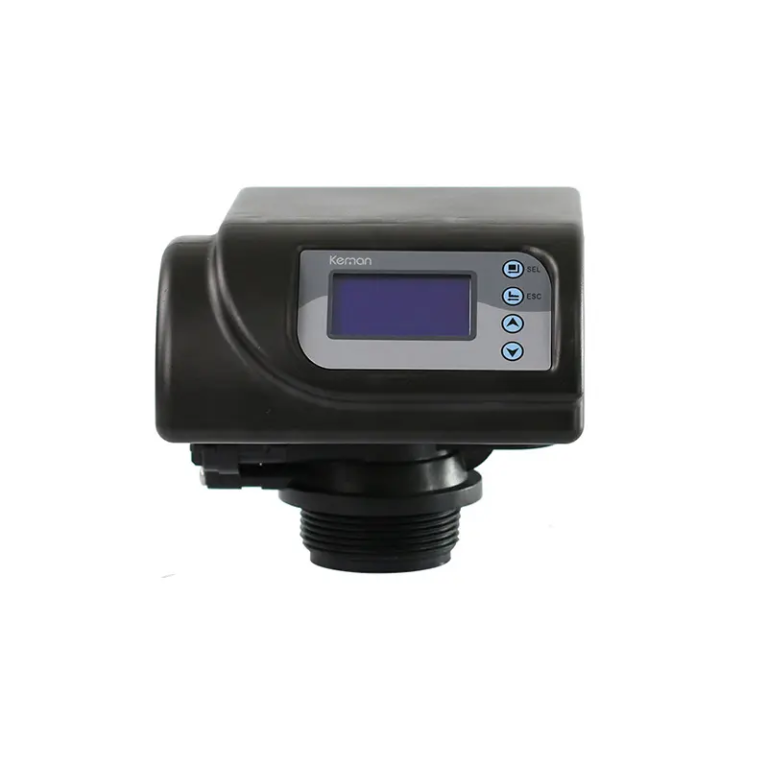
- ChiMay's softener valves and softening-filtration valves provide reliable pre-treatment for ZLD applications
- Proper valve sizing and selection can reduce ZLD pre-treatment costs by 20-40% while improving treatment performance
Zero liquid discharge systems depend on effective pre-treatment to protect downstream membrane and thermal equipment from damage that compromises performance and increases operating costs. Among the various pre-treatment technologies employed in ZLD applications, water softening through ion exchange and particle removal through filtration represent foundational processes that significantly impact overall system reliability. The control valves that manage these treatment processes require careful selection and operation to achieve the reliability necessary for continuous ZLD service.
The Water Research Foundation's treatment technology assessment identified softening and filtration as the two most critical pre-treatment functions for ZLD applications, with inadequate performance identified as a primary cause of membrane fouling and thermal equipment scaling. Facilities that invest in robust pre-treatment systems consistently achieve superior ZLD reliability while reducing operating costs through extended equipment life and reduced chemical consumption.
Understanding Ion Exchange Softening for ZLD Applications
Ion exchange softening addresses the hardness components—primarily calcium and magnesium—that cause scaling on membrane surfaces and thermal equipment. The ion exchange process replaces hardness ions with sodium ions that do not form scale deposits, enabling operation at elevated recovery rates without scaling damage. For ZLD applications where maximum water recovery drives economic viability, effective softening becomes essential for achieving concentration ratios that justify thermal treatment energy costs.
The capacity of ion exchange softeners depends on resin volume, resin selectivity, and influent water characteristics. Typical industrial softeners achieve capacities of 20,000-50,000 grains per cubic foot of resin, with regeneration salt consumption of 6-15 pounds per cubic foot depending on water hardness and regeneration efficiency. Automated regeneration control based on cumulative flow or conductivity measurement downstream optimizes regeneration timing to maintain softener performance while minimizing salt consumption.
ChiMay's softener valves incorporate advanced control algorithms that optimize regeneration cycles based on actual water usage rather than predetermined schedules. This demand-initiated regeneration approach reduces salt consumption by 25-35% compared to traditional time-clock controlled systems while ensuring consistent effluent quality throughout service cycles. The proportional fill feature further optimizes brine preparation, achieving efficient regeneration with reduced rinse water requirements.
Softener vessels must withstand repeated pressure cycling during regeneration while maintaining sealing integrity that prevents hard water bypass. ChiMay's FRP (fiberglass-reinforced plastic) vessels rated for 150 psi operating pressure provide the durability required for commercial softening applications, withNSF/ANSI 61 certification confirming material safety for potable water applications when needed. The reliable vessel construction ensures long service life even in demanding ZLD pre-treatment environments.
Filtration Technologies for ZLD Pre-Treatment
Suspended solids removal through filtration protects membrane systems from fouling that reduces flux rates and shortens membrane life. Multimedia filters employing layered media beds of anthracite, sand, and gravel provide effective solids removal at relatively low operating costs. Automatic backwash control based on differential pressure measurement maintains filtration efficiency throughout filter runs while minimizing rinse water consumption.
cartridge filtration provides additional protection for critical membrane systems, removing particles that pass through multimedia filters while protecting high-pressure pumps and membrane housings from abrasive damage. Filter cartridge selection must balance solids removal efficiency against flow resistance, with typical ZLD applications employing 5-20 micron rated cartridges. More stringent filtration requirements may employ microfiltration membranes that provide consistent particle removal performance throughout cartridge life.
ChiMay's multi-parameter sensors positioned at filter outlets provide indication of filtration effectiveness that enables optimization of backwash timing and frequency. Turbidity measurement below 1 NTU at membrane system inlets indicates effective solids removal, while elevated readings trigger investigation of filter performance and potential media loss. This continuous monitoring approach maintains consistent pre-treatment quality while avoiding unnecessary backwash cycles that waste rinse water.
The softening and filtering valve systems from ChiMay integrate both treatment functions in coordinated control schemes that optimize regeneration cycles for each process stage. The interlocking control prevents hard water bypass during filter backwash cycles while coordinating service restoration across both treatment trains. This integrated approach simplifies operation while ensuring consistent pre-treatment quality throughout ZLD system operation.
Control Valve Selection for ZLD Service
The control valves that manage ZLD pre-treatment processes must provide reliable operation despite challenging water quality conditions and frequent cycling requirements. Softener and filter valves experience thousands of actuation cycles annually, with failure modes including internal leakage, external leakage, and control malfunctions that compromise treatment performance. Valve selection based on application requirements and quality assurance through proper installation and maintenance ensure reliable service.
Flow capacity and pressure drop characteristics significantly impact valve performance in softening and filtering applications. The 1-inch to 2-inch valve sizes typical for commercial and light industrial softeners must provide adequate flow capacity for service and backwash functions while maintaining control accuracy during regeneration cycle transitions. ChiMay's valve designs incorporate flow control features that maintain consistent performance across the range of operating conditions present in ZLD pre-treatment service.
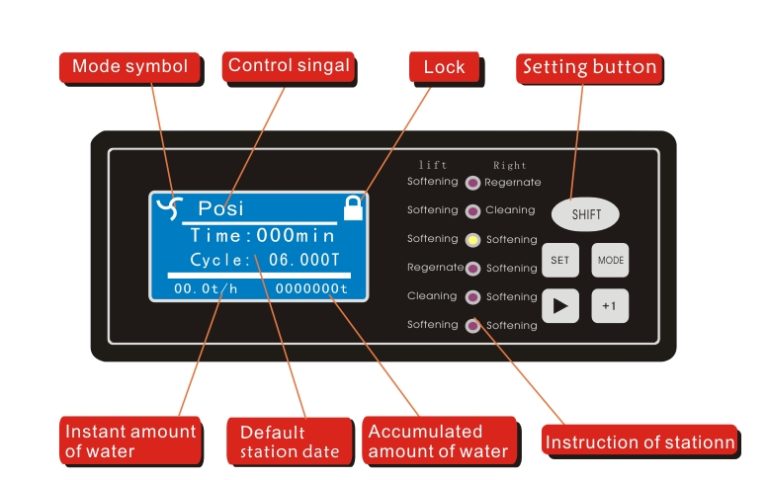
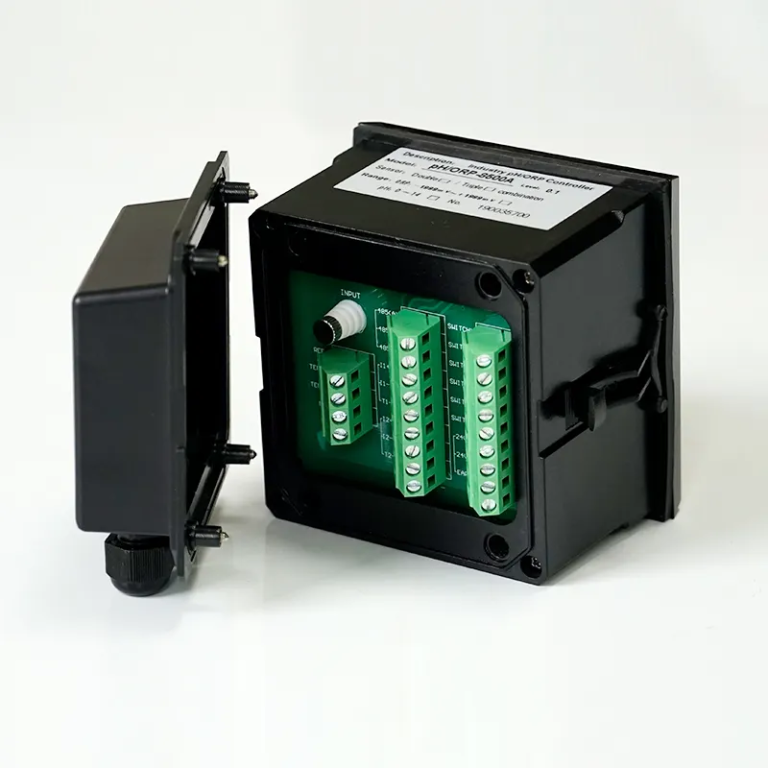
The electronic controllers that manage valve actuation must provide reliable control despite the harsh electrical environments present in water treatment facilities. Motor-driven valves with solid-state controllers require protection from moisture ingress, temperature extremes, and electrical interference. ChiMay's control valve systems incorporate robust enclosures rated for NEMA 4X environments, ensuring reliable operation even in outdoor installations subject to weather exposure.
Bypass configuration provides operational flexibility that enables continued service during valve maintenance while protecting downstream equipment from hard water or high solids water during maintenance activities. Properly configured bypass systems include interlocks that prevent operation in bypass mode without operator acknowledgment, avoiding accidental discharge of untreated water to sensitive membrane systems.
Economic Analysis of Pre-Treatment Investment
The capital costs for ZLD pre-treatment systems including softener valves, filter vessels, and associated controls typically range from $50,000 to $200,000 for medium-sized industrial facilities. This investment generates returns through avoided costs including membrane replacement, chemical cleaning, thermal equipment descaling, and production losses from treatment interruptions. A comprehensive economic analysis typically reveals payback periods ranging from 12-36 months depending on water quality, equipment costs, and downstream treatment requirements.
Membrane life extension through effective pre-treatment generates substantial value for ZLD facilities. Reverse osmosis and nanofiltration membranes represent significant capital investments of $50-100 per square foot of membrane area. Scaling damage from inadequate softening can reduce membrane life by 50% or more, generating replacement costs that far exceed pre-treatment investments. Facilities implementing robust softening typically achieve 5-7 year membrane service life compared to 2-3 years for systems with inadequate pre-treatment.
Chemical cleaning frequency reduction through effective pre-treatment decreases both chemical consumption and associated labor requirements. Membrane cleaning typically costs $500-2,000 per cleaning event depending on membrane area and cleaning solution requirements. Facilities with effective pre-treatment may require cleaning only 2-4 times annually compared to 6-12 times for systems with marginal pre-treatment quality.
Thermal equipment scaling similarly responds to pre-treatment effectiveness, with proper softening reducing scaling rates by 85-95% in evaporator and crystallizer applications. The avoided descaling costs for thermal equipment typically range from $10,000-50,000 per event, with annual descaling frequency reduced from 4-6 times to 1-2 times through effective pre-treatment.
ChiMay’s Valve Solutions for ZLD Pre-Treatment
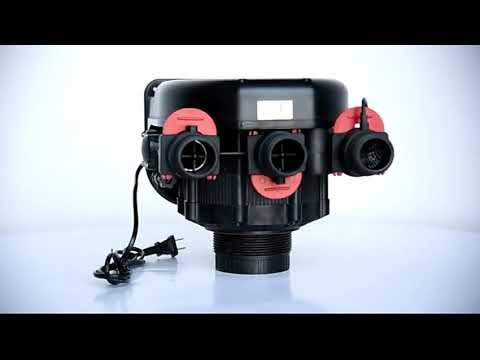
ChiMay manufactures complete softener valve and softening-filtration valve systems designed specifically for demanding industrial applications including ZLD pre-treatment. The product range includes 1-inch through 3-inch valve sizes with flow capacities up to 150 GPM, addressing applications from small commercial facilities to large industrial installations.
The softener valve product line features time-clock and demand-initiated control options that accommodate various operational requirements and budget constraints. Demand-initiated regeneration based on cumulative flow measurement optimizes salt consumption while maintaining consistent effluent quality. The proportional brine fill feature further reduces salt and rinse water consumption by preparing only the brine volume necessary for the specific regeneration requirement.
ChiMay's softening-filtration valves integrate both treatment functions in single valve assemblies that simplify installation and reduce footprint requirements. The coordinated regeneration control ensures proper treatment sequence while minimizing complexity for operators. This integrated approach proves particularly valuable for smaller facilities with limited space and operational resources.
The technical support organization provides application engineering assistance for pre-treatment system design, ensuring optimal valve selection and sizing for specific water quality and flow requirements. Installation supervision and commissioning services help ensure proper system configuration and operational readiness, while training programs equip facility personnel with the knowledge necessary for reliable ongoing operation.
Conclusion
Effective pre-treatment through ion exchange softening and particle filtration protects downstream ZLD equipment while enabling the high recovery rates that make zero liquid discharge economically viable. The control valves that manage these treatment processes must provide reliable performance despite demanding operating conditions and frequent cycling requirements.
Investment in quality pre-treatment equipment generates substantial returns through extended membrane life, reduced chemical cleaning frequency, decreased thermal equipment scaling, and improved overall system reliability. The economic benefits typically exceed pre-treatment costs within 1-3 years of implementation, providing ongoing value throughout ZLD system operating life.
ChiMay's softener valves and softening-filtration valves provide the reliability and performance required for demanding ZLD pre-treatment applications. With comprehensive product range, application engineering support, and service capabilities, ChiMay helps facilities achieve the pre-treatment effectiveness necessary for successful zero liquid discharge.