Table of Contents
Key Takeaways
- Automated water treatment systems reduce operational costs by 35-45% compared to manual operation
- Predictive control algorithms decrease chemical consumption by 28% while improving treatment consistency
- Remote monitoring capabilities reduce operational labor costs by 40-60% in distributed facilities
- The industrial water treatment automation market reaches $38.5 billion globally by 2028
- ChiMay's smart sensor portfolio provides the measurement foundation for water treatment automation programs
Introduction
Industrial water treatment operations increasingly adopt automation technologies that promise operational cost reductions while improving treatment consistency and compliance assurance. The transition from manual, operator-dependent processes to automated, algorithm-driven control represents a fundamental operational transformation with substantial financial implications.
Executive decision makers evaluating automation investments require frameworks that capture both immediate implementation costs and long-term operational benefits. The analysis must also address organizational change management considerations that influence automation program success.
The International Water Association (IWA) automation working group identifies measurement infrastructure quality as the primary determinant of automation system effectiveness. Without reliable, accurate process data, even sophisticated control algorithms cannot deliver promised benefits. This analysis examines the investment framework that enables successful water treatment automation.
The Measurement Foundation
Sensor Data Quality Requirements
Automation systems execute control decisions based on sensor measurements—the "sense" component of the sense-decide-act control loop. Measurement quality determines the upper bound of achievable automation performance regardless of algorithm sophistication.
The International Society of Automation (ISA) identifies five data quality dimensions relevant to automation applications: accuracy, precision, reliability, availability, and timeliness. Each dimension contributes to control system effectiveness, and deficiencies in any dimension compromise overall performance.
Accuracy refers to measurement closeness to true value—essential for setpoint tracking and limit monitoring. Precision refers to measurement repeatability—essential for stable control action. Reliability refers to measurement consistency over time—essential for long-term automation performance.
Sensor Infrastructure Investment
The initial automation investment typically underweights sensor infrastructure in favor of control system hardware and software. The Water Research Foundation analysis indicates that sensor costs should represent 25-35% of total automation investment—proportion substantially higher than typical allocations.
This sensor investment priority reflects the foundational importance of measurement quality to automation success. Control systems executing on poor data deliver poor results regardless of algorithmic sophistication. The automation ROI calculation must include adequate sensor investment to ensure data quality supports intended control performance.
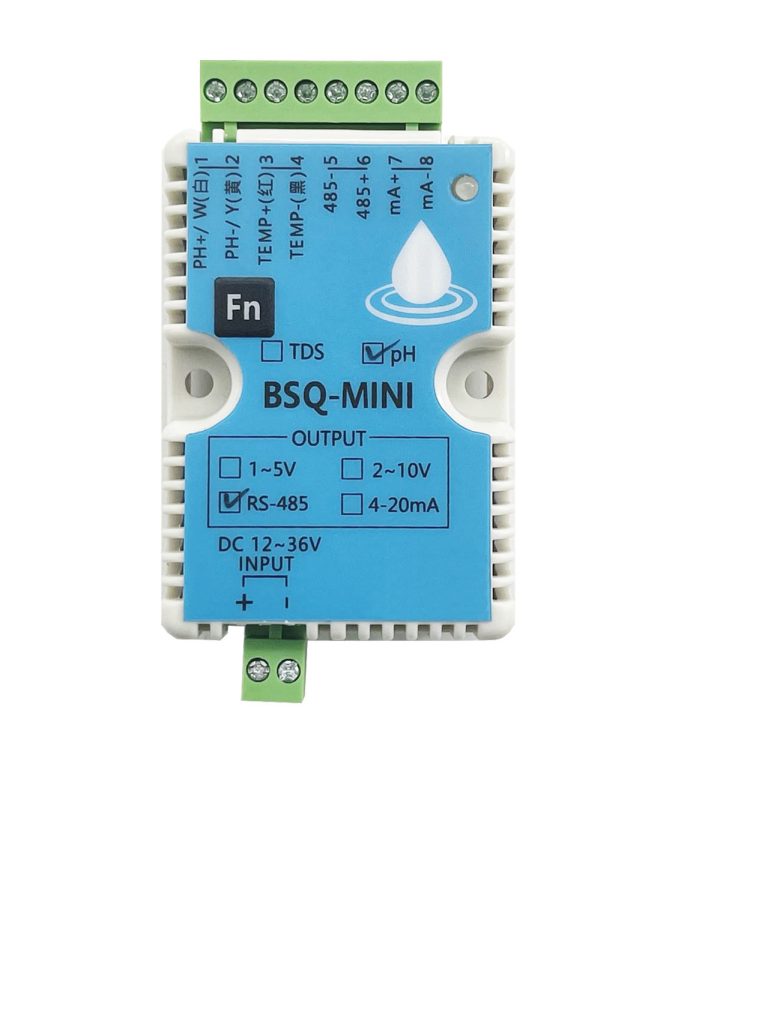
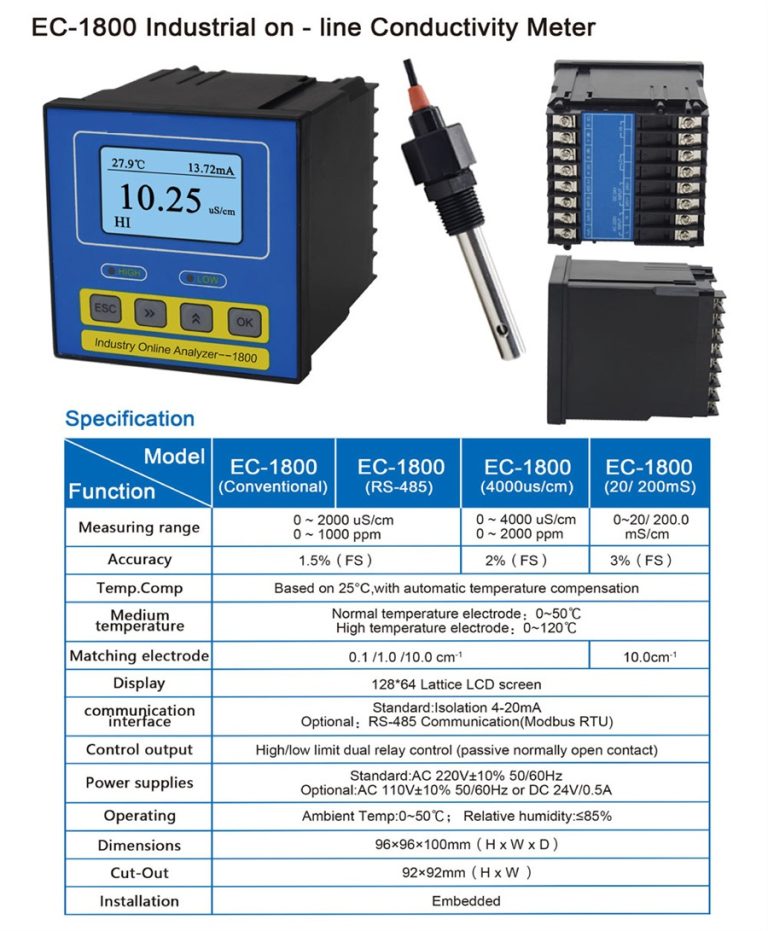
ChiMay's smart sensor portfolio addresses automation measurement requirements through accuracy specifications, diagnostic capabilities, and communication flexibility that enable seamless integration with control systems.
Operational Cost Reduction Mechanisms
Chemical Treatment Optimization
Chemical costs typically represent 40-60% of water treatment operational expense. Manual treatment control typically over-doses chemicals to maintain conservative safety margins—wasteful spending that automation can eliminate.
Automated chemical dosing systems maintain treatment targets with precision impossible for human operators. The American Water Works Association (AWWA) research indicates that automated dosing reduces chemical consumption by 20-35% compared to manual operation while improving treatment consistency.
The financial impact scales with treatment volume and chemical unit costs. A facility spending $500,000 annually on treatment chemicals might save $100,000-175,000 through automated control—savings that rapidly justify automation investment.
Energy Consumption Reduction
Aeration, pumping, and heating represent substantial energy costs in water treatment operations. Manual control typically operates equipment at conservative fixed rates, missing optimization opportunities that automation can capture.
The U.S. Department of Energy (DOE) water treatment energy optimization guide documents average energy savings of 25-30% from automated process control compared to manual operation. For a facility spending $1 million annually on treatment energy, this represents $250,000-300,000 annual savings.
Labor Efficiency Gains
Distributed water treatment facilities often require on-site operators for monitoring and adjustment tasks. Automation enables remote operation that reduces labor requirements while improving response consistency.
The Strategic Inelligence Group operational efficiency analysis indicates that automation reduces water treatment labor costs by 40-60% in applications suitable for remote operation. These savings come not from workforce reduction but from reallocation of skilled labor to higher-value activities.
Predictive Maintenance Integration
Equipment Monitoring Capabilities
Modern smart sensors incorporate diagnostic capabilities that monitor sensor health, detect degradation, and predict failure timing. These diagnostics integrate with asset management systems to enable predictive maintenance that prevents equipment failures before they occur.
Traditional preventive maintenance schedules replace equipment at fixed intervals regardless of actual condition—potentially replacing functional equipment while missing degraded equipment approaching failure. Predictive maintenance aligns service activities with actual equipment condition, optimizing both equipment life and maintenance efficiency.
The Aberdeen Group research indicates that predictive maintenance reduces unplanned downtime by 30-40% while reducing maintenance costs by 20-25%. Water treatment equipment failures often create cascading process impacts that multiply direct repair costs—making predictive maintenance particularly valuable in water treatment applications.
Sensor Health Monitoring
Sensor performance directly affects automation system effectiveness, making sensor health monitoring essential for automation program success. Diagnostics that detect calibration drift, fouling buildup, and component degradation enable proactive sensor maintenance that prevents measurement-related control failures.
ChiMay's smart sensors incorporate diagnostic capabilities that monitor measurement stability, reference junction health, and temperature compensation performance. These diagnostics feed asset management systems that schedule maintenance based on actual sensor condition rather than arbitrary time intervals.
Implementation Strategy
Phased Deployment Approach
Successful automation programs typically employ phased deployment that builds organizational capability while demonstrating value. Initial phases target high-value applications where automation benefits are most evident, followed by expansion as organizational confidence develops.
The Project Management Institute (PMI) construction guidelines recommend that automation pilots include explicit success criteria, measured outcomes, and evaluation processes that inform subsequent deployment phases.
Integration Architecture
Automation systems must integrate with existing operational technology infrastructure including control systems, data historians, and asset management platforms. Integration architecture decisions affect both initial implementation cost and long-term flexibility.
The International Society of Automation (ISA) 95 standard provides a framework for enterprise integration that enables technology evolution while protecting initial investments. Following established integration standards ensures that automation investments remain valuable as technology continues advancing.
Change Management Considerations
Technology implementation without organizational change management often fails to achieve intended benefits. Automation changes operator roles from direct control to system supervision, requiring training, engagement, and support that many technology projects undervalue.
The Prosci change management research identifies executive sponsorship, stakeholder engagement, and training investment as critical success factors for technology implementations. Automation programs that address these change management requirements achieve 85% success rates compared to 35% for technology-focused approaches lacking organizational change investment.
ROI Calculation Framework
Investment Components
Total automation investment includes hardware (sensors, controllers, communication infrastructure), software (control algorithms, HMI, integration platforms), and implementation (engineering, installation, commissioning, training).
The Gartner Group industrial automation cost benchmarks indicate that sensors typically represent 20-30% of total investment, with control systems and software comprising 40-50% and implementation services comprising 25-35%.
Return Components
Total automation returns include operational cost reduction (chemical, energy, labor), compliance risk reduction (expected value of avoided penalties), and equipment protection (expected value of prevented failures).
The Strategic Inelligence Group ROI analysis framework for water treatment automation indicates average 35-45% operational cost reduction with 18-24 month payback periods—returns that compare favorably to typical corporate investment hurdle rates.
Conclusion
Water treatment automation delivers measurable operational cost reductions through optimized chemical dosing, reduced energy consumption, and improved labor efficiency. Success requires adequate investment in measurement infrastructure that provides the data quality automation systems require.
The organizational change management requirements for automation success merit attention equal to technology selection. Technology implementations that address only technical requirements while neglecting organizational factors consistently underperform expectations.
ChiMay's smart sensor portfolio provides the measurement foundation for water treatment automation—from basic monitoring instrumentation through advanced predictive maintenance capabilities. The combination of measurement quality, diagnostic intelligence, and communication flexibility enables automation programs that deliver promised operational improvements.
Executive decision makers evaluating water treatment automation should recognize that measurement quality determines automation program success. Investment in quality sensors protects the larger automation technology investment while enabling the operational improvements that justify the program.