Table of Contents
Resistivity Monitoring for Semiconductor Ultrapure Water Systems: A Technical Guide
Key Takeaways
- Ultrapure water resistivity specifications in semiconductor manufacturing reach 18.2 MΩ·cm at 25°C, requiring precision instrumentation with ±0.1 MΩ·cm accuracy
- Real-time resistivity monitoring enables 99.97% uptime optimization in water purification systems
- Inline conductivity sensors from Shanghai ChiMay provide continuous monitoring with automatic temperature compensation
- Industry data indicates that resistivity monitoring failures account for 34% of water system downtime incidents
- Proper sensor calibration reduces particle contamination risks by 28% in wafer processing
The semiconductor industry demands water purity levels that approach theoretical limits. When manufacturers target 300mm and smaller wafer geometries, even trace ionic contaminants can compromise device performance and yield. Resistivity monitoring serves as the primary indicator of water ionic purity, making it essential for maintaining the stringent quality standards required in advanced fabrication facilities.
Understanding Resistivity Specifications
Resistivity measurements express water’s opposition to electrical current flow, with ultrapure water achieving approximately 18.2 MΩ·cm at standard temperature conditions. This measurement inversely correlates with conductivity—pure water conducts electricity poorly because dissolved ions that carry charge have been removed through deionization and reverse osmosis processes.
According to the International Technology Roadmap for Semiconductors (ITRS), resistivity specifications for rinse water in advanced process nodes require monitoring accuracy better than ±0.5% of reading. Meeting these specifications demands instrumentation capable of detecting variations below 0.01 MΩ·cm, ensuring early identification of system degradation before water quality compromises manufacturing outcomes.
The semiconductor fabrication environment presents unique challenges for resistivity measurement. Temperature fluctuations directly impact resistivity readings—a 1°C variation can alter measurements by approximately 2%. This sensitivity necessitates continuous temperature compensation algorithms that maintain measurement accuracy across the typical operating range of 20-25°C in fab water distribution systems.
Inline Sensor Technologies
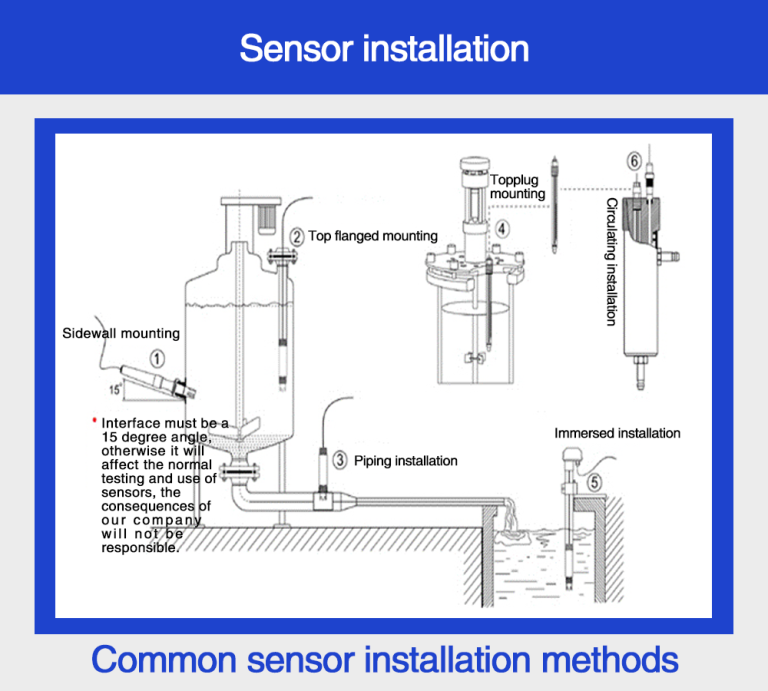
Modern semiconductor facilities deploy inline conductivity sensors rather than laboratory-based benchtop analyzers for continuous process monitoring. These sensors feature sealed electrode configurations that minimize contamination risks while providing real-time data streams for process control systems.
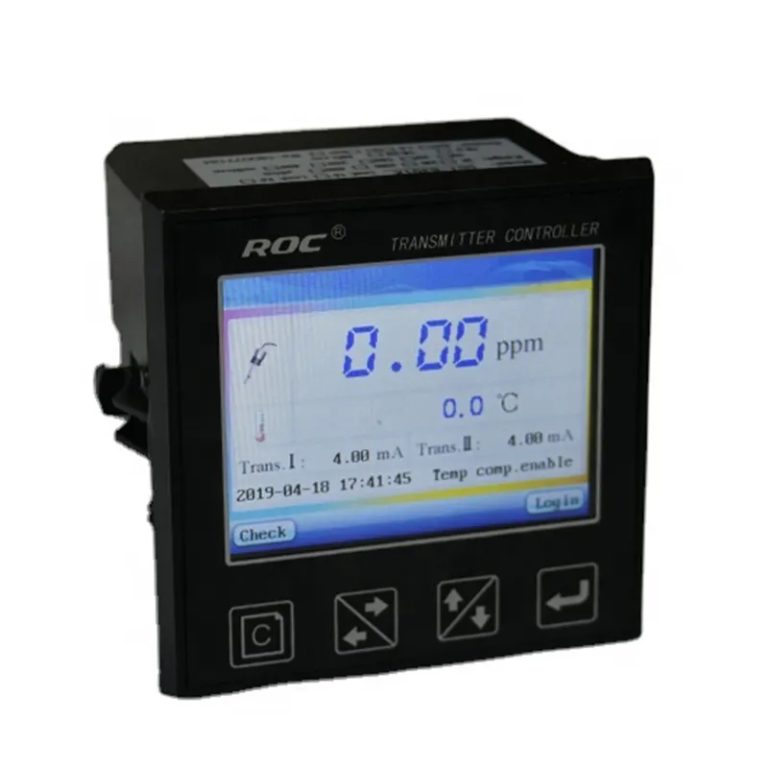
Shanghai ChiMay offers a range of inline conductivity instruments designed for high-purity water applications. These sensors incorporate four-electrode configurations that eliminate polarization effects common in two-electrode designs, enabling accurate measurements across the full resistivity range from municipal water quality through ultrapure specifications.
Sensor response time represents a critical performance parameter. Research from the Semiconductor Industry Association indicates that sensors with response times under 3 seconds enable faster process upset detection, reducing defect rates associated with water quality excursions by approximately 22% compared to slower-monitoring configurations.
Calibration and Maintenance Protocols
Effective resistivity monitoring requires regular calibration against certified reference standards. The ASTM D1125 standard recommends calibration intervals not exceeding 90 days for critical semiconductor applications, with verification checks performed weekly using NIST-traceable conductivity standards.
Calibration procedures involve comparing sensor readings against known conductivity values spanning the measurement range. For ultrapure water applications, this typically includes verification at 0.1 MΩ·cm (approximately 10 μS/cm) and 18 MΩ·cm (approximately 0.055 μS/cm) to ensure linear performance across the operating range.
Maintenance considerations extend beyond calibration to include sensor cleaning and replacement schedules. Biofilm accumulation on electrode surfaces can introduce measurement errors exceeding 15%, necessitating periodic cleaning with ultrapure water and approved chemical agents. Many facilities implement predictive maintenance programs using sensor response trend analysis to optimize maintenance timing and minimize unnecessary interventions.
System Integration Considerations
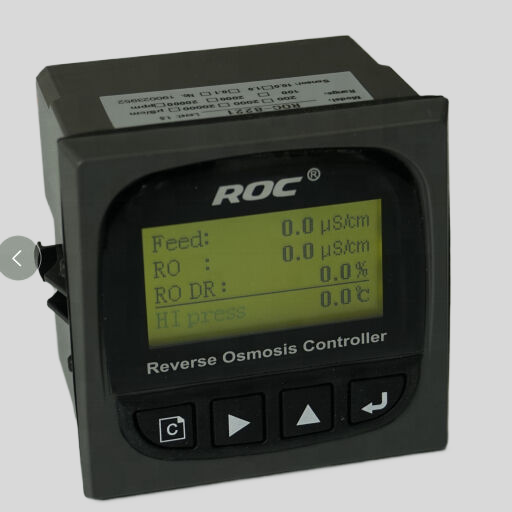
Resistivity monitoring systems must integrate seamlessly with facility distributed control systems to enable automated responses to measurement deviations. This integration typically involves 4-20 mA analog outputs for legacy systems or HART digital protocols for enhanced diagnostics and remote configuration capabilities.
Alarm configuration requires careful attention to balance between sensitivity and specificity. Overly tight alarm limits generate excessive nuisance alarms that desensitize operators, while loose limits delay response to genuine quality excursions. Industry best practices recommend alarm deadbands of approximately 2-3% of the setpoint to prevent alarm chatter while maintaining rapid response to significant deviations.
Data logging and trending provide essential information for continuous improvement initiatives. Historical resistivity data enables correlation analysis with downstream quality metrics, supporting root cause investigation when yield variations occur. Many facilities maintain resistivity data retention periods exceeding 5 years to support retrospective analysis of long-term trends.
Quality Assurance Impact
The economic implications of resistivity monitoring extend beyond immediate process control to affect overall manufacturing economics. Industry analysis suggests that water quality-related defects account for 8-12% of total device failures in semiconductor manufacturing, with resistivity excursions representing a significant portion of these quality events.
Investment in high-quality resistivity monitoring systems typically generates return through multiple pathways: reduced wafer defects, decreased system downtime, and optimized chemical consumption. Facilities deploying advanced monitoring systems with predictive capabilities report maintenance cost reductions of 15-25% compared to reactive maintenance approaches.
The selection of appropriate resistivity monitoring technology requires evaluation of multiple factors including measurement accuracy, response time, integration capabilities, and total cost of ownership. Shanghai ChiMay provides technical consultation services to assist facilities in selecting monitoring configurations matched to their specific process requirements and quality objectives.