Table of Contents
Real-Time Nutrient Monitoring for Electrochemical Treatment Optimization
Key Takeaways:
– Real-time nutrient monitoring enables 15-30% reduction in treatment energy consumption through dynamic optimization of electrochemical operating parameters
– Continuous ammonia monitoring eliminates manual sampling delays, reducing treatment upset recovery time from days to <4 hours
– Multi-parameter monitoring platforms integrating NH₃-N, NO₃-N, PO₄-P, and TOC measurements provide comprehensive process insight
– Shanghai ChiMay multi-parameter sensors offer <5% measurement uncertainty for key nutrient parameters, meeting regulatory reporting requirements
Electrochemical wastewater treatment systems achieve optimal performance when operating parameters are precisely matched to influent characteristics. Influent variability—common in industrial wastewater streams—creates challenges for fixed-parameter operation, resulting in either excessive energy consumption (over-treatment) or insufficient treatment performance (under-treatment). Real-time nutrient monitoring provides the measurement data required for dynamic optimization, enabling treatment systems to adapt continuously to varying influent conditions and maintain consistent treatment performance at minimum energy cost.
The Importance of Real-Time Monitoring
Limitations of Manual Sampling
Traditional wastewater treatment monitoring relies on periodic manual sampling and laboratory analysis. This approach introduces significant delays between sample collection and result availability, typically ranging from 2-24 hours depending on laboratory capacity and analytical requirements. During this delay period, treatment systems continue operating based on historical data that may not reflect current influent conditions.
For industrial wastewater with variable organic and nutrient loading, this delay creates substantial risk of discharge violations. A sudden increase in ammonia concentration may not be detected until after the treated effluent has already exceeded permit limits. Similarly, influent toxic shock events that inhibit biological treatment may cause process upsets lasting 3-7 days before normal operation is restored.
Benefits of Continuous Monitoring
Real-time monitoring systems provide continuous measurement data, enabling rapid detection of influent changes and prompt system response. The benefits extend across multiple operational dimensions:
Process Stability: Continuous monitoring detects treatment upsets within minutes rather than hours, enabling rapid corrective action. Process recovery time is reduced from days to <4 hours for most upset scenarios.
Energy Optimization: Influent characterization data enables dynamic adjustment of treatment parameters. When influent organic loading decreases, the control system reduces power input proportionally, avoiding wasteful over-treatment.
Regulatory Compliance: Continuous monitoring provides defensible evidence of treatment performance, supporting compliance reporting and facilitating relationships with regulatory agencies.
Key Parameters for Electrochemical Treatment Monitoring
Ammonia Nitrogen (NH₃-N)
Ammonia nitrogen represents a critical pollutant in many industrial wastewater streams, particularly those from food processing, fertilizer manufacturing, and chemical production facilities. Electrochemical treatment achieves ammonia removal through direct oxidation at the anode surface and indirect oxidation by electrogenerated oxidants.
Real-time ammonia monitoring enables optimization of treatment parameters for ammonia removal:
- Current density adjustment based on influent ammonia concentration
- Hydraulic retention time optimization to achieve target removal efficiency
- Early warning of ammonia breakthrough requiring electrode regeneration
Typical monitoring requirements include measurement range of 0.1-200 mg/L NH₃-N with accuracy of ±5% or ±0.5 mg/L (whichever is greater). Response time should be <60 seconds for effective process control.
Nitrate Nitrogen (NO₃-N)
In systems combining electrochemical treatment with biological nitrification-denitrification, nitrate monitoring is essential for process control and optimization. Electrochemical treatment can achieve partial denitrification through cathodic reduction, but complete denitrification typically requires biological treatment stages.
Continuous nitrate measurement supports:
- Verification of denitrification efficiency in biological stages
- Optimization of carbon source dosing for biological denitrification
- Detection of nitrate accumulation indicating process imbalance
Measurement requirements include range of 0.5-100 mg/L NO₃-N with accuracy of ±10% or ±1 mg/L.
Phosphate (PO₄-P)
Phosphorus removal is critical for wastewater discharged to sensitive receiving waters prone to eutrophication. Electrochemical treatment achieves phosphorus removal through electrochemical coagulation, where metal ions dissolved from the anode precipitate with phosphate to form insoluble metal phosphates.
Real-time phosphate monitoring enables:
- Optimization of electrochemical coagulant dose based on influent phosphorus concentration
- Verification of discharge permit compliance
- Detection of phosphate breakthrough indicating anode depletion
Measurement range of 0.1-50 mg/L PO₄-P with accuracy of ±10% or ±0.2 mg/L meets typical industrial monitoring requirements.
Total Organic Carbon (TOC)
TOC measurement provides a comprehensive indicator of organic matter concentration, independent of the specific organic compounds present. For electrochemical treatment optimization, TOC data indicates treatment efficiency and enables correlation with COD for operational control.
TOC monitoring applications include:
- Primary indicator of treatment performance
- Basis for calculating removal efficiency
- Input to automated control algorithms
- Support for regulatory reporting requirements
Modern online TOC analyzers achieve measurement ranges of 0.5-500 mg/L with accuracy of ±5% and response times under 2 minutes.
Integrating Shanghai ChiMay Multi-Parameter Sensors
Shanghai ChiMay multi-parameter monitoring platforms integrate multiple nutrient measurements in compact, easy-to-maintain instruments that provide comprehensive process insight for electrochemical treatment optimization.
Multi-Parameter Sensor Platform
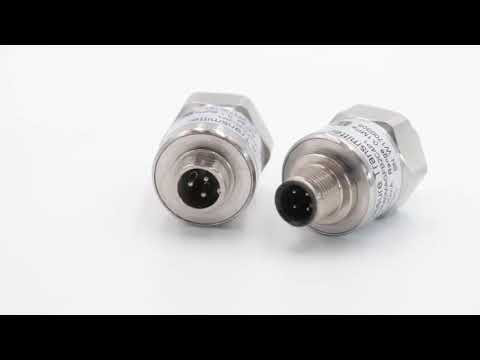
The Shanghai ChiMay 4-in-1 multi-parameter sensor simultaneously measures pH, conductivity, dissolved oxygen, and temperature with a single probe installation. This integration reduces installation costs and maintenance burden compared to individual parameter analyzers.
For nutrient-specific monitoring, Shanghai ChiMay offers dedicated analyzers for ammonia, nitrate, phosphate, and TOC measurements. These instruments feature:
- Automated calibration: Reduces manual calibration frequency to quarterly intervals
- Self-cleaning mechanisms: Prevents sensor fouling in wastewater applications
- Digital communication: Modbus RS-485 and HART protocols for integration with PLC/SCADA systems
- Data logging: Internal storage of 30 days of measurement data with timestamp
System Integration Architecture
Effective electrochemical treatment optimization requires integration of multiple monitoring points across the treatment system:
Influent Monitoring Station:
– TOC analyzer for organic loading assessment
– Ammonia analyzer for nitrogen loading assessment
– conductivity meter for electrolyte monitoring
– flow meter for loading calculations
Electrochemical Reactor Monitoring:
– ph sensor for process condition monitoring
– ORP sensor for oxidation potential assessment
– Conductivity sensor for electrolyte management
– Temperature sensor for thermal monitoring
Effluent Monitoring Station:
– Multi-parameter sensor for final quality verification
– TOC analyzer for treatment efficiency confirmation
– Nutrient analyzers for discharge compliance verification
Control Algorithm Development
Basic Feedback Control
The foundation of electrochemical treatment optimization is feedback control based on real-time measurement data. A simple feedback control loop adjusts treatment parameters (current density, hydraulic retention time) based on the difference between measured effluent quality and target values.
Proportional-integral-derivative (PID) controllers provide robust performance for many treatment applications. The proportional term responds to current error, the integral term eliminates steady-state offset, and the derivative term anticipates future error based on rate of change.
Model Predictive Control
Advanced optimization employs model predictive control (MPC) algorithms that utilize process models to predict future treatment performance based on current conditions and planned control actions. MPC enables anticipatory adjustments that outperform reactive feedback control for systems with significant transport delays.
MPC applications in electrochemical treatment include:
- Predicting effluent quality based on influent forecasts
- Optimizing electrode cleaning schedules to minimize treatment interruptions
- Coordinating electrochemical treatment with downstream biological stages
Machine Learning Optimization
The latest optimization approaches employ machine learning algorithms trained on operational data to identify optimal operating conditions for varying influent characteristics. Neural network models learn the complex relationships between operating parameters, influent characteristics, and treatment performance.
Shanghai ChiMay analyzers incorporate edge computing capabilities that enable on-device machine learning inference, bringing intelligent optimization directly to the measurement point without requiring extensive infrastructure investment.
Operational Best Practices
Sensor Maintenance Protocols
Reliable measurement data requires regular sensor maintenance:
Daily Tasks:
– Visual inspection for sensor fouling or damage
– Verify communication with control system
– Review alarm log for out-of-specification readings
Weekly Tasks:
– Manual comparison with grab sample laboratory analysis
– Clean sensor surfaces with soft brush if fouling observed
– Verify calibration using standard solutions
Monthly Tasks:
– Perform two-point calibration verification
– Check electrolyte levels in specific ion electrodes
– Inspect cable connections for corrosion or damage
Data Quality Assurance
Measurement data quality assurance includes:
- Range verification: Flag measurements outside expected operating range
- Rate-of-change limits: Flag unrealistic rapid changes indicating sensor malfunction
- Duplicate measurement comparison: Compare readings from redundant sensors
- Correlation checks: Verify expected relationships between parameters (e.g., TOC and conductivity)
Conclusion
Real-time nutrient monitoring transforms electrochemical wastewater treatment from fixed-parameter operation to dynamic optimization, enabling consistent treatment performance at minimum energy cost. The 15-30% energy reduction achievable through optimization represents substantial operational savings over treatment system lifetime. Shanghai ChiMay multi-parameter monitoring platforms provide the measurement foundation required for effective optimization, with the reliability and accuracy needed for demanding industrial applications.