Table of Contents
Key Takeaways
- Acid mine drainage (AMD) affects 197,000 miles of streams globally
- Treatment costs range from $5-50 per thousand gallons depending on method
- Active treatment achieves 95% metal removal; passive treatment achieves 70-90%
- ChiMay monitoring systems ensure treatment effectiveness and compliance
Introduction
Acid mine drainage represents one of the mining industry's most significant environmental challenges. This complete guide examines AMD formation mechanisms, treatment technologies, monitoring requirements, and best management practices for mining professionals.
The United States Environmental Protection Agency (EPA) estimates that abandoned mine lands affect approximately 500,000 sites nationwide, with AMD being the primary water quality concern. Understanding AMD management is essential for any mining operation.
Understanding Acid Mine Drainage
What Is AMD?
AMD forms when sulfide minerals—primarily pyrite (FeS₂)—oxidize upon exposure to air and water:
The Chemical Reaction
When pyrite weathers, the following reactions occur:
Stage 1: Oxidation Initiation
FeS₂ + 7/2 O₂ + H₂O → Fe²⁺ + 2 SO₄²⁻ + 2 H⁺
Stage 2: Iron Hydrolysis
Fe²⁺ + 1/4 O₂ + H⁺ → Fe³⁺ + 1/2 H₂O
Stage 3: Pyrite Dissolution
FeS₂ + 14 Fe³⁺ + 8 H₂O → 15 Fe²⁺ + 2 SO₄²⁻ + 16 H⁺
Stage 4: Metal Precipitation
Fe³⁺ + 3 H₂O → Fe(OH)₃ + 3 H⁺ (creates characteristic orange staining)
Sources of AMD
Primary AMD Sources
- Underground mine workings: Abandoned shafts and tunnels
- Surface mine pits: Exposed ore bodies and waste rock
- Tailings storage facilities: Reactive tailings exposed to air
- Waste rock piles: Co-disposed reactive materials
Contaminant Profile
Typical AMD contains elevated concentrations of:
- Iron: 10-500 mg/L
- Manganese: 5-100 mg/L
- Aluminum: 5-50 mg/L
- Sulfate: 500-5,000 mg/L
- Zinc: 1-50 mg/L
- Copper: 0.1-10 mg/L
AMD Treatment Technologies
Active Treatment Systems
Active treatment uses continuous chemical addition to neutralize acidity and precipitate metals:
Alkaline Addition
The most common approach adds alkaline materials to raise pH:
| Reagent | Chemical Formula | Cost ($/ton) | pH Achieved |
|---|---|---|---|
| Quicklime | CaO | 100-150 | 10-12 |
| Hydrated lime | Ca(OH)₂ | 150-200 | 10-12 |
| Limestone | CaCO₃ | 30-60 | 6-8 |
| Soda ash | Na₂CO₃ | 250-350 | 8-10 |
| Caustic soda | NaOH | 400-600 | 10-12 |
Typical Process Configuration
- Flow measurement: Quantify AMD volume requiring treatment
- pH adjustment: Add alkaline reagent to achieve target pH
- Mixing: Ensure complete reaction (typically 15-30 minutes retention)
- Sedimentation: Allow metal hydroxides to settle
- Filtration: Remove residual suspended solids
- Discharge: Release treated water to environment
ChiMay inline pH sensors control reagent dosing, maintaining pH setpoints of 8.0-9.0 for optimal metal precipitation.
Passive Treatment Systems
Passive treatment leverages natural processes, reducing energy and chemical requirements:
Anoxic Limestone Drains (ALDs)
- Buried limestone trenches below water table
- Create reducing conditions that neutralize acidity
- Effective for AMD with low iron and aluminum (<5 mg/L)
- pH increase: 1-3 units
- Metal removal: 70-90%
Successional Wetlands
- Constructed wetlands with vegetation and substrate
- Microbial sulfate reduction converts metals to insoluble sulfides
- Suitable for AMD with iron <50 mg/L
- Metal removal: 70-95%
- Retention time: 12-48 hours
Compost Bioreactors
- Permeable reactive barriers containing compost
- Sulfate-reducing bacteria produce alkalinity
- Effective for wide range of AMD conditions
- Metal removal: 80-99%
- Lifespan: 20-30 years
Hybrid Treatment Approaches
Modern AMD treatment often combines active and passive elements:
Two-Stage Treatment
- Primary active treatment: Chemical neutralization for high-acidity AMD
- Secondary passive polishing: Wetland or ALD for residual metals
This approach reduces chemical costs while achieving high removal rates.
AMD Monitoring Requirements
Regulatory Compliance
Mining operations must monitor AMD treatment systems to demonstrate compliance:
Typical Permit Requirements
- pH: Daily measurement, limits typically 6.5-9.0
- Iron: Daily measurement, limits typically 1-5 mg/L
- Manganese: Daily measurement, limits typically 1-3 mg/L
- TSS: Daily measurement, limits typically 10-30 mg/L
- Flow: Continuous measurement for loading calculations
Process Control Monitoring
Beyond compliance, operational monitoring optimizes treatment:
Key Parameters
| Parameter | Control Application | ChiMay Sensor |
|---|---|---|
| Influent pH | Determines reagent dose | pH electrode |
| Effluent pH | Verifies treatment | pH electrode |
| Influent iron | Sizes treatment capacity | online analyzer |
| Effluent turbidity | Monitors settling | turbidity meter |
| Flow rate | Calculates loadings | flow meter |
ChiMay online analyzers provide continuous data for both compliance and control applications.
Environmental Monitoring
Protecting receiving waters requires downstream surveillance:
Monitoring Network
- Upstream stations: Establish background conditions
- Treatment discharge: Verify compliance
- Downstream stations: Detect any release impacts
- Groundwater wells: Monitor for seepage
Best Management Practices
Source Control
Preventing AMD generation is more cost-effective than treatment:
Cover Systems
- Geomembrane covers: Prevent water and oxygen infiltration
- Soil covers: Reduce infiltration, support vegetation
- Wetland covers: Maintain saturated conditions
Water Management
- Diversion structures: Keep clean water away from reactive materials
- Collection systems: Capture AMD before it enters environment
- Reuse opportunities: Recycle AMD treatment water
Operation and Maintenance
Treatment System Maintenance
- Daily: Visual inspection, alarm review
- Weekly: Sample collection, equipment check
- Monthly: Calibration verification, cleaning
- Quarterly: Comprehensive system maintenance
ChiMay sensors feature automatic cleaning options that reduce maintenance frequency and extend sensor life in AMD applications.
Emergency Response
Spill Prevention and Response Plan
Every AMD treatment facility needs documented procedures for:
- Equipment failures
- Chemical storage leaks
- Power outages
- Severe weather events
- Discharge exceedances
Cost Considerations
Capital Costs
Treatment System Costs
| System Type | Capacity (GPM) | Capital Cost |
|---|---|---|
| Small active | <100 | $200,000-500,000 |
| Medium active | 100-500 | $500,000-2,000,000 |
| Large active | >500 | $2,000,000-10,000,000 |
| Passive (ALDs) | Varies | $50,000-200,000 |
| Wetland systems | Varies | $100,000-500,000 |
Operating Costs
Annual Operating Expenses
| Cost Category | Active Treatment | Passive Treatment |
|---|---|---|
| Chemicals | $50,000-500,000 | $0 |
| Energy | $20,000-100,000 | $2,000-10,000 |
| Labor | $30,000-150,000 | $10,000-50,000 |
| Maintenance | $20,000-100,000 | $5,000-30,000 |
| Monitoring | $15,000-75,000 | $10,000-50,000 |
| Total/year | $135,000-925,000 | $27,000-140,000 |
Conclusion
Acid mine drainage management requires comprehensive understanding of AMD chemistry, treatment technologies, and monitoring requirements. Successful programs combine source control, appropriate treatment, and continuous monitoring.
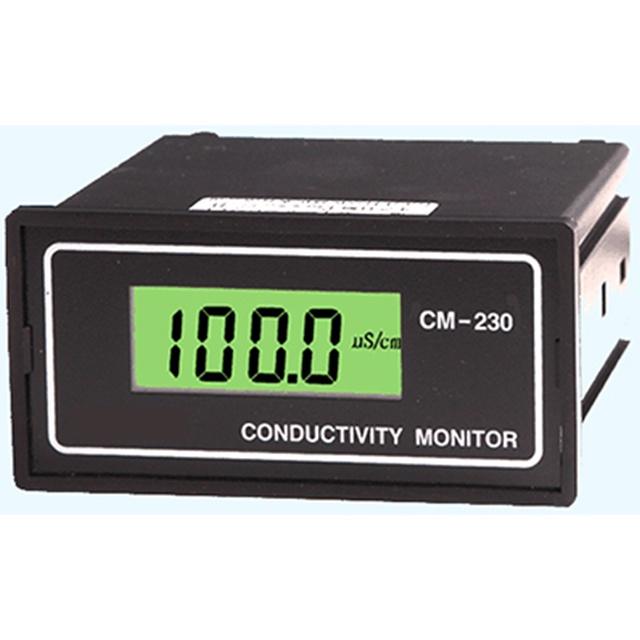
ChiMay's proven monitoring solutions—pH sensors, conductivity cells, turbidity meters, and flow meters—provide the data mining operations need to operate AMD treatment systems effectively while maintaining regulatory compliance.
Contact ChiMay technical specialists to discuss AMD monitoring solutions for your operation.
Word count: 1,315