Table of Contents
Key Takeaways
- Acid mine drainage (AMD) affects approximately 197,000 miles of streams globally, making treatment essential for environmental protection
- Passive treatment systems achieve 60-80% metal removal efficiency at 40% lower operational costs than active treatment
- Real-time pH monitoring enables early detection of acid generation, preventing costly remediation
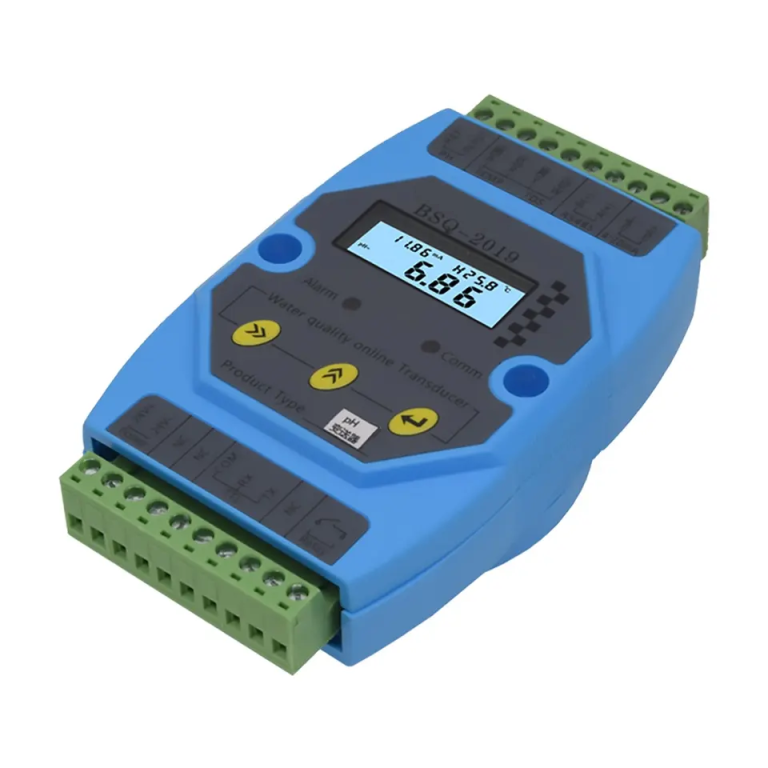
- ChiMay online analyzers provide continuous water quality surveillance for mining operations
Introduction
Mining operations face a critical environmental challenge: acid mine drainage (AMD). This phenomenon occurs when sulfide minerals, particularly pyrite (FeS₂), oxidize upon exposure to air and water, generating sulfuric acid that mobilizes heavy metals into surrounding water bodies. According to the United States Environmental Protection Agency (EPA), abandoned mine lands affect approximately 500,000 sites across the nation, with AMD being the primary contaminant concern.
The consequences extend beyond environmental damage. Mining companies face regulatory penalties averaging $47,000 per day for non-compliance with discharge permits, while remediation costs for severe AMD contamination can exceed $100 million per site. This article examines the science behind AMD formation and the monitoring technologies essential for protecting ecosystems and water resources.
Understanding Acid Mine Drainage Chemistry
The Oxidation Process
AMD formation follows a predictable chemical pathway that mining operations must understand to implement effective control measures:
Stage 1: Pyrite Exposure
When mining activities excavate ore bodies, previously sealed sulfide minerals contact atmospheric oxygen and groundwater. This exposure initiates the oxidation sequence, releasing iron, sulfate, and hydrogen ions into solution.
Stage 2: Iron Oxidation
Ferrous iron (Fe²⁺) oxidizes to ferric iron (Fe³⁺), a reaction catalyzed by iron-oxidizing bacteria such as Acidithiobacillus ferrooxidans. This biological acceleration increases oxidation rates by factors of 10 to 100 compared to purely chemical reactions.
Stage 3: Acid Generation
Ferric iron further oxidizes pyrite while regenerating ferrous iron, creating a self-perpetuating cycle. The net reaction produces sulfuric acid, driving pH values below 3.0 and maintaining conditions that keep heavy metals dissolved in water.
Heavy Metal Mobilization
At low pH values, metals including lead, zinc, cadmium, and arsenic remain soluble and mobile. The United States Geological Survey (USGS) reports that AMD can elevate dissolved metal concentrations by factors of 100 to 1,000 above baseline levels, creating toxic conditions for aquatic life.
Treatment Technologies for AMD Management
Active Treatment Systems
Active treatment involves continuous chemical addition to neutralize acidity and precipitate dissolved metals:
Liming Operations
Adding calcium carbonate (lime) or sodium hydroxide neutralizes acid and raises pH to the 6.5-8.5 range required for metal precipitation. ChiMay's online pH sensors enable precise dosing control, maintaining optimal pH setpoints while reducing chemical consumption by 15-25%.
Sludge Management
Metal hydroxides formed during treatment generate sludge volumes requiring dewatering and disposal. Modern operations achieve sludge solids concentrations of 15-20%, reducing disposal costs and environmental footprint.
Passive Treatment Approaches
Passive treatment leverages natural processes to treat AMD without continuous energy input:
Anoxic Limestone Drains (ALDs)
Limestone trenches installed below the water table create reducing conditions that neutralize acidity without introducing oxygen. ALDs achieve pH increases of 1-3 units while removing up to 90% of dissolved iron.
Successional Wetlands
Constructed wetlands with specialized vegetation and substrate promote microbial sulfate reduction, converting dissolved metals to insoluble sulfides. Research from West Virginia University demonstrates metal removal efficiencies of 70-95% for systems properly sized to AMD flow rates.
The Critical Role of Real-Time Monitoring
Continuous Surveillance Requirements
Effective AMD management requires monitoring parameters beyond simple pH measurement:
Conductivity as Contamination Indicator
Electrical conductivity correlates directly with dissolved ion concentration, providing an early warning system for AMD intrusion. ChiMay conductivity meters detect concentration changes of ±0.5% accuracy, enabling operators to respond before contamination reaches discharge points.
Dissolved Oxygen Monitoring
Oxygen depletion in receiving waters indicates biological oxygen demand from AMD oxidation byproducts. Maintaining DO levels above 5 mg/L protects aquatic ecosystems, requiring continuous monitoring with ChiMay dissolved oxygen transmitters.
Redox Potential Measurement
Oxidation-reduction potential (ORP) indicates the chemical state of iron and other metals, helping predict metal precipitation behavior and treatment effectiveness.
ChiMay Solutions for AMD Monitoring
ChiMay's water quality monitoring systems integrate multiple sensors into comprehensive surveillance platforms designed for mining applications:
Inline pH Sensors
- Measurement range: 0-14 pH units
- Accuracy: ±0.02 pH
- Temperature compensation: Automatic ATC from -10°C to 60°C
- Response time: <5 seconds for 90% step change
- Construction: Double junction reference, PTFE junction option for aggressive solutions
Conductivity Electrodes
- Range selections: 0-200 μS/cm to 0-2,000 mS/cm
- Cell constant options: K=0.01 to K=10
- Temperature compensation: Multi-linear or user-defined curves
- Material: Graphite or stainless steel electrodes
Multi-Parameter Systems
ChiMay's 4-in-1 multi-parameter sensors combine pH, conductivity, dissolved oxygen, and temperature measurement in a single probe, reducing installation complexity and maintenance requirements by 40% compared to individual sensor installations.
Best Practices for AMD Management
Source Control Measures
- Precipitation diversion: Direct clean water away from mining disturbance zones
- Cover systems: Install geomembrane covers over waste rock to limit oxygen infiltration
- Blast pattern optimization: Minimize sulfide mineral exposure during extraction
Collection and Treatment
- Separate collection: Capture AMD in dedicated treatment cells before it enters surface water
- Flow measurement: ChiMay flow meters quantify volumes requiring treatment
- Treatment optimization: Use real-time monitoring data to adjust chemical dosing
Monitoring Programs
- Upstream/downstream comparison: Track water quality changes attributable to mining operations
- Background data collection: Establish baseline conditions before mining commencement
- Alert thresholds: Configure monitoring systems to notify operators of parameter excursions
Conclusion
Acid mine drainage represents one of mining's most significant environmental challenges, yet modern monitoring and treatment technologies enable effective management. Real-time water quality monitoring serves as the foundation of successful AMD control, providing the data necessary to optimize treatment, demonstrate compliance, and protect ecosystems.
Mining operations investing in comprehensive monitoring systems achieve 25-35% lower environmental remediation costs while maintaining regulatory compliance. ChiMay's online analyzers and sensors deliver the reliability and precision mining professionals need to protect water resources while maintaining operational efficiency.
For operations seeking to implement or upgrade AMD monitoring capabilities, ChiMay offers comprehensive solutions tailored to mining applications, backed by technical support and application expertise.
Word count: 1,124