Table of Contents
water softener valve Selection and Installation: A Complete Guide
Key Takeaways:
– Water softener market reaches $4.8 billion globally in 2026, with industrial applications driving 35% of demand
– Proper valve selection reduces system operating costs by 30% over 10-year lifecycle
– 42% of water softener failures originate from valve selection errors or improper installation
– Automatic softener valves achieve 98% of manual system performance at 60% of the labor cost
– Initial valve selection impacts 50% of total lifecycle maintenance requirements
Water softener valves represent the critical control element in both residential and industrial water softening systems, directing the complex sequence of regeneration cycles that maintain softening capacity while minimizing water and salt consumption. The selection of appropriate valve technology and proper installation practices directly determine system reliability, operational efficiency, and total lifecycle cost. This comprehensive guide examines valve types, selection criteria, installation best practices, and optimization strategies that enable facilities to achieve optimal water softening performance.
Understanding Water Softener Valve Function
Basic Operating Principle
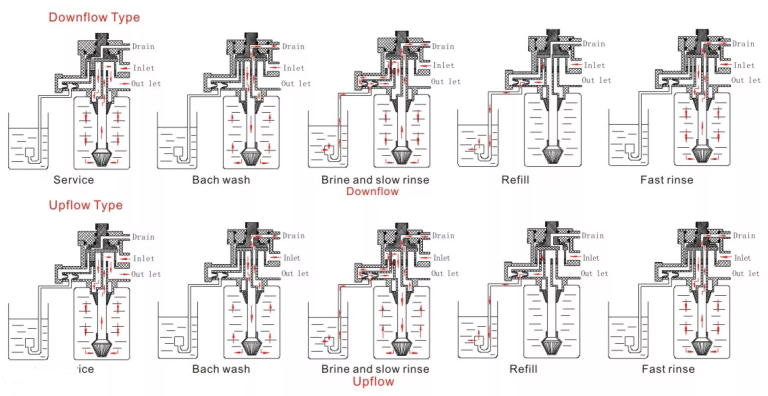
Water softeners remove calcium and magnesium ions responsible for water hardness through ion exchange, replacing them with sodium ions from regenerant brine. As the resin beds exhaust, they must be periodically regenerated through a precisely sequenced series of cycles:
Service Cycle: Raw hard water flows through resin beds where hardness ions exchange with available sodium. This cycle continues until resin capacity exhausts, indicated by hardness breakthrough in treated water.
Backwash Cycle: Upward water flow through resin bed removes accumulated sediment and fluffs resin for effective regeneration contact. Typical duration: 10-15 minutes.
Brine Draw Cycle: Concentrated brine solution flows through resin, displacing accumulated hardness ions and replenishing sodium on resin sites. Typical duration: 30-60 minutes.
Slow Rinse Cycle: Water flow continues, rinsing excess brine through resin while maintaining sodium saturation. Typical duration: 20-30 minutes.
Fast Rinse Cycle: Downward water flow flushes remaining brine and rinses resin to treated water quality. Typical duration: 10-15 minutes.
Brine Refill Cycle: Fresh water fills brine tank to prepared volume for next regeneration. Typical duration: 5-10 minutes.
The softener valve orchestrates this complex sequence, directing water flows through appropriate pathways at each stage while maintaining separation between service and regeneration circuits.
Valve Architecture Components
Modern automatic softener valves comprise several integrated components:
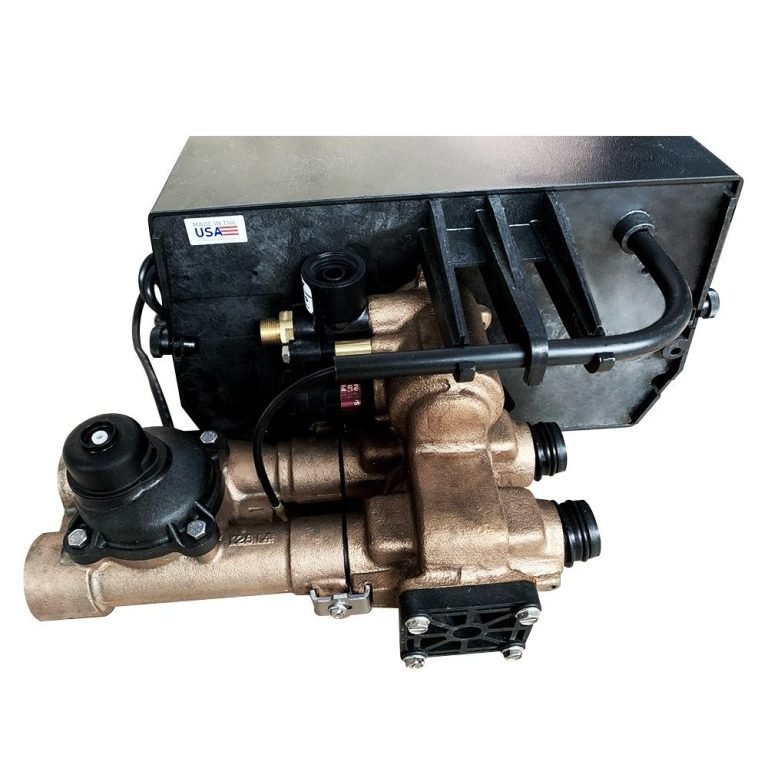
Rotary Valve Element: Multi-port valve body with strategically positioned ports and passages directing water flows. May employ spider, piston, or disc configurations.
Drive Mechanism: Motor-driven system advancing valve through regeneration sequence. Electronic controls manage cycle timing and sequence.
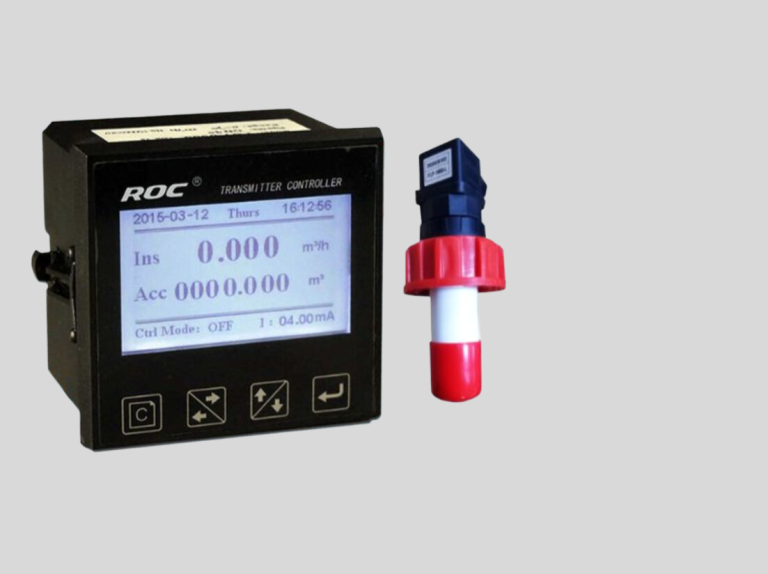
Control System: Electronic controller accepting inputs from water meter, timer, or hardness sensor to initiate regeneration at appropriate intervals.
Bypass Assembly: Integral or separate bypass enabling service continuation during regeneration and isolation for maintenance.
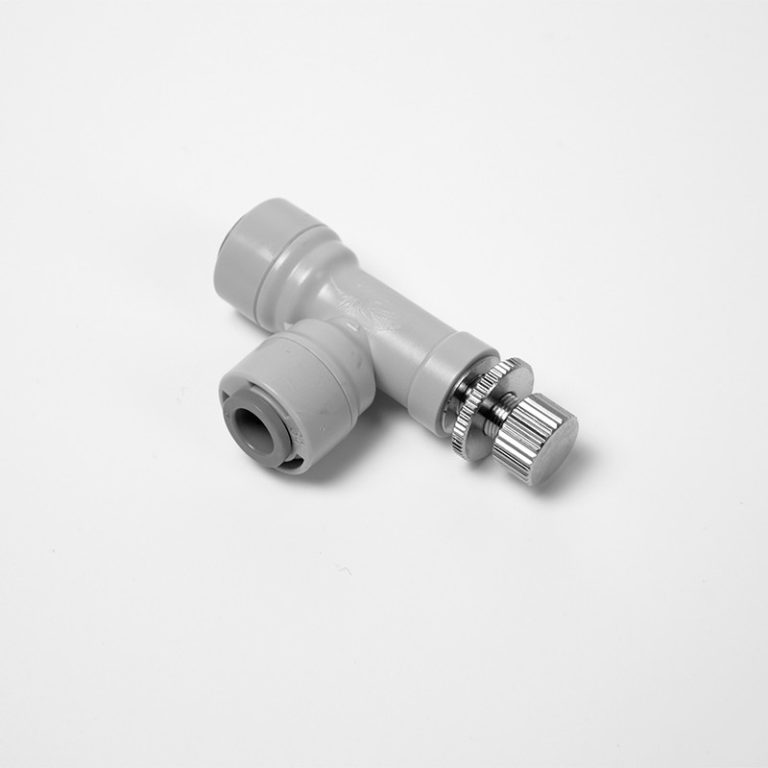
Brine Assembly: Salt storage, brine mixing, and brine draw control mechanisms ensuring proper regenerant preparation and delivery.
ChiMay softener valves integrate these components within compact, reliable assemblies engineered for industrial duty and extended service life.
Valve Types and Selection Criteria
Time-Clock Valves
Time-clock valves initiate regeneration at pre-programmed intervals regardless of actual water usage:
Operation: Simple time-based control triggers regeneration at set interval (typically daily at specific hour)
Advantages:
- Lowest initial cost
- Simple operation and troubleshooting
- Suitable for constant, predictable water usage
Disadvantages:
- Regenerates even when not needed, wasting water and salt
- May fail to regenerate adequately during high-demand periods
- Less efficient for variable water usage patterns
Best Applications:
- Consistent, predictable water usage
- Budget-constrained applications
- Secondary or emergency softening systems
Meter-Initiated Valves
Meter-initiated valves track actual water usage and regenerate based on volume treated:
Operation: Water meter monitors flow through softener, initiating regeneration when cumulative flow reaches preset volume
Advantages:
- Regenerates only when needed, optimizing salt and water efficiency
- Adapts to varying water usage patterns
- Provides consistent treated water quality
Disadvantages:
- Higher initial cost than time-clock valves
- More complex electronics requiring professional troubleshooting
- Meter failure disables softening entirely
Best Applications:
- Variable or unpredictable water demand
- Efficiency-conscious operations
- Primary softening systems
Meter-Delayed Valves
Meter-delayed valves track usage but delay regeneration until preset time:
Operation: Meter registers cumulative flow; regeneration initiates at next scheduled time after capacity exhaustion
Advantages:
- Combines usage tracking efficiency with scheduled regeneration timing
- Enables regeneration during low-demand periods
- Optimizes both efficiency and convenience
Disadvantages:
- More complex control logic
- Requires proper sizing for demand patterns
Best Applications:
- Commercial and light industrial applications
- Operations with predictable low-demand periods
Meter-Immediate Valves
Meter-immediate valves regenerate immediately upon capacity exhaustion:
Operation: Meter triggers instant regeneration when flow reaches capacity threshold
Advantages:
- Maximum efficiency through immediate regeneration response
- Maintains continuous softening capacity
- Ideal for critical applications
Disadvantages:
- Regeneration may occur at inconvenient times
- Requires backup capacity during regeneration
- Higher valve complexity
Best Applications:
- Critical process applications
- 24-hour operations with continuous demand
- Healthcare and food processing applications
ChiMay offers meter-initiated and meter-delayed valve options addressing efficiency-conscious applications, with immediate regeneration models available for critical service requirements.
Sizing and Capacity Planning
Demand Determination
Proper valve sizing begins with accurate demand assessment:
Flow Rate Requirements:
- Peak flow rate: Maximum instantaneous demand (GPM or m³/h)
- Average flow rate: Typical operating demand
- Daily volume: Total water processed per day
Hardness Loading:
- Raw water hardness: Grain per gallon (gpg) or ppm CaCO₃
- Daily hardness load: Hardness (gpg) × Daily volume (gallons)
- Iron/manganese: Additional capacity requirements if present
System Sizing
System capacity must accommodate demand while providing acceptable regeneration frequency:
Recommended Regeneration Frequency:
- Residential: Every 2-3 days
- Commercial: Every 1-2 days
- Industrial: Every daily or more frequent
Resin Volume Selection:
| Daily Hardness Load | Typical Resin Volume |
|---|---|
| 30,000 grains | 1.0 cubic feet |
| 60,000 grains | 2.0 cubic feet |
| 120,000 grains | 4.0 cubic feet |
| 300,000 grains | 10 cubic feet |
Valve Capacity Rating
Valve flow capacity must exceed peak system demands:
- Pressure drop: Select valves maintaining <15 psi drop at peak flow
- Service flow rating: Maximum continuous flow during service cycle
- Backwash flow rating: Flow capacity during backwash (typically higher)
ChiMay valves specify comprehensive flow ratings enabling confident selection for specific applications.
Installation Best Practices
Location Selection
Proper installation location affects system performance and longevity:
Accessibility Requirements:
- Adequate space for maintenance access (minimum 24 inches clearance above)
- Level, structural support for system weight when operational
- Protection from freezing temperatures
- Adequate drainage for regeneration discharge
Environmental Considerations:
- Temperature range: 40-110°F (4-43°C) ideal
- Humidity control prevents electrical issues
- Ventilation for brine tank area
Plumbing Considerations:
- Bypass plumbing enables service without system shutdown
- Proper support prevents strain on connections
- Drain connections per local codes
Plumbing Connections
Service Inlet/Outlet:
- Install isolation valves on both inlet and outlet
- Include pressure gauge to monitor system performance
- Install sample ports for water quality verification
Drain Connection:
- Air gap fitting prevents cross-connection contamination
- Minimum 1.5-inch drain line for backwash flow
- Terminate drain per local plumbing codes
Brine Tank Connection:
- Brine line connections require check valve to prevent backflow
- Brine tank sized for salt capacity matching regeneration requirements
- Float assembly properly adjusted for correct brine concentration
Electrical Installation
Power Requirements:
- Dedicated electrical circuit (typically 120V, 15 amp)
- Proper grounding per electrical codes
- GFCI protection for wet locations
Control Wiring:
- Low-voltage control wiring isolated from power wiring
- Proper connections per manufacturer diagram
- Junction box protection for outdoor installations
Brine Tank Setup
Salt Selection:
- Pelletized salt: Highest purity, lowest residue, preferred for most applications
- Solar salt: Economical option, higher insolubles
- Rock salt: Lowest cost, highest impurity, not recommended
Salt Level:
- Maintain salt level above 6 inches at all times
- Maximum fill level allows 6-12 inches from tank top
- Salt bridging and salt mushing require periodic inspection
Brine Concentration:
- Proper brine concentration: 10-12 pounds per gallon
- Float setting verification ensures correct concentration
- Refill rate adjustment optimizes brine preparation
Commissioning and Optimization
Initial Setup
Step 1: Manual Regeneration
Perform initial manual regeneration to prepare resin and establish baselines:
- Set time clock and program regeneration schedule
- Manually initiate backwash cycle
- Verify flow through drain at appropriate rate
- Progress through each cycle, verifying proper operation
Step 2: Brine System Verification
Confirm brine preparation and delivery:
- Verify brine tank fills to correct level
- Check brine concentration with refractometer or hydrometer
- Verify brine draw during regeneration
- Confirm no leaks in brine connections
Step 3: Performance Verification
Confirm treated water meets specifications:
- Sample treated water at sample port
- Verify hardness below target (typically <1 gpg)
- Check for chlorides indicating brine breakthrough
- Document baseline performance
Operational Optimization
Salt Dosage Adjustment:
- Target salt dosage: 6-10 pounds per cubic foot of resin
- Increase dosage if hardness breakthrough observed
- Decrease dosage if consistent over-softening evident
Regeneration Frequency:
- Increase frequency if hardness appears in treated water before regeneration
- Decrease frequency if salt efficiency significantly exceeds design
Brine Contact Time:
- Ensure minimum 30 minutes brine contact during regeneration
- Increase time if regeneration efficiency decreases
ChiMay valves feature adjustable cycle timing enabling precise optimization for specific applications.
Maintenance Requirements
Routine Maintenance
Monthly:
- Inspect salt level and condition
- Check for salt bridging or mushing
- Verify drain flow during backwash
- Visual inspection for leaks
Quarterly:
- Clean brine tank and inspect brine valves
- Check brine draw rate
- Verify control settings
- Inspect injectors and screens
Annually:
- Full system inspection
- Resin bed assessment
- Valve service kit replacement
- Control system verification
Troubleshooting Common Issues
| Issue | Cause | Solution |
|---|---|---|
| Hardness breakthrough | Exhausted resin | Increase regeneration frequency |
| Excessive salt consumption | Over-dosing | Adjust brine setting |
| No drain flow | Clogged drain line | Clear obstruction |
| Brine tank overflow | Fill valve malfunction | Replace fill valve |
| Erratic regeneration timing | Control malfunction | Reset or replace control |
| Water in salt tank | Leaking brine valve | Replace brine valve |
Economic Analysis
Lifecycle Cost Comparison
Proper valve selection and installation significantly impact lifecycle costs:
Initial Costs:
- Time-clock valve: $300-500
- Meter-delayed valve: $500-800
- Meter-immediate valve: $700-1,200
Annual Operating Costs:
- Salt consumption: 50-150 pounds per cubic foot annually
- Water for regeneration: 30-50 gallons per cubic foot annually
- Electricity: $10-30 per year
10-Year Lifecycle Costs:
| Valve Type | Initial | Operating | Total |
|---|---|---|---|
| Time-clock | $500 | $4,000 | $4,500 |
| Meter-delayed | $700 | $2,800 | $3,500 |
| Meter-immediate | $1,000 | $2,500 | $3,500 |
Meter-initiated valves typically deliver 30-40% operating cost reduction compared to time-clock alternatives, with payback periods of 2-3 years on initial investment premium.
Conclusion
Water softener valve selection and installation demand careful attention to system requirements, operating conditions, and lifecycle costs. Proper valve selection based on flow requirements, usage patterns, and efficiency objectives, combined with installation practices ensuring reliable operation, enables systems delivering consistent treated water quality at optimized cost.
Facilities investing appropriate effort in valve selection and installation position themselves for years of reliable, efficient softening service. The consequences of inadequate selection—inferior water quality, excessive operating costs, and premature failure—underscore the importance of proper valve implementation.
ChiMay’s comprehensive softener valve offerings address residential, commercial, and light industrial applications with solutions engineered for reliability, efficiency, and service life. Our applications engineers support customers in selecting and optimizing softener valve systems for specific requirements.
Tags: water softener valve, water softening, ion exchange, industrial water treatment, valve selection, installation