Table of Contents
Modified Biochar Technology for Pharmaceutical Contaminant Removal from Water Systems
Key Takeaways
- Modified biochar achieves 94-97% removal efficiency for pharmaceutical compounds including acetaminophen and naproxen
- Physical and chemical modifications enhance surface area by 60-200% compared to raw biochar
- Operating costs range from 0.24-0.45 RMB/m³, significantly lower than membrane processes
- Biochar from pine chip pyrolysis outperforms commercial activated carbon for specific pharmaceuticals
Pharmaceutical compounds represent an increasingly regulated category of emerging contaminants in water systems worldwide. From ng/L to µg/L concentrations, these compounds—including antibiotics, hormones, and antidepressants—persist through conventional treatment and accumulate in receiving environments with documented ecological and human health impacts.
Modified biochar has emerged as a cost-effective and environmentally sustainable adsorbent for pharmaceutical removal. Research published in environmental science journals (2026) demonstrates that tailored modifications can substantially enhance biochar’s adsorption capacity for specific pharmaceutical contaminants.
Understanding Pharmaceutical Contamination Scale
Global pharmaceutical consumption patterns establish the contamination context:
Antibiotic Usage: Global antibiotic consumption increased by 65% from 2000 to 2015, with projections indicating another 200% increase by 2030 in developing countries. This consumption pattern translates directly to pharmaceutical residues entering wastewater streams.
Prescription Volumes: Australian pharmaceutical data shows venlafaxine prescriptions increasing from 2,870,523 to 3,532,495 between 2014 and 2025, illustrating continuous growth in psychiatric medication use worldwide.
Environmental Concentrations: Chinese wastewater treatment plant effluents contain total pharmaceutical concentrations ranging from 1,392 to 35,453 ng/L, representing substantial environmental loading requiring effective treatment intervention.
Biochar Modification Approaches
Researchers have developed multiple modification strategies enhancing biochar pharmaceutical adsorption:
Physical Modification:
- Ball milling reduces particle size to < 10 µm, increasing surface area and accessibility
- Steam activation develops micropore structures with surface areas exceeding 1,500 m²/g
- CO₂ activation creates narrow micropores optimized for small pharmaceutical molecules
Chemical Modification:
- Acid treatment (HCl, H₂SO₄) introduces oxygen-containing functional groups enhancing electrostatic attraction
- Alkali treatment (KOH, NaOH) increases surface negativity and hydrophobic interaction sites
- Metal impregnation (Fe, Mn, Zn) adds catalytic sites for pharmaceutical degradation
- Oxidant treatment (H₂O₂) increases surface oxygen groups improving polar compound adsorption
Comparative Adsorption Performance
Laboratory studies document modified biochar performance against commercial alternatives:
| Adsorbent | Acetaminophen Removal | Naproxen Removal | Cost Index |
|---|---|---|---|
| Pine chip biochar | 94.1% | 97.7% | 0.3 |
| Commercial activated carbon | 81.6% | 94.1% | 1.0 |
| Raw biochar | 52-68% | 58-72% | 0.2 |
| Modified biochar (Fe-loaded) | 96-99% | 95-98% | 0.4 |
Research demonstrates that pyrolysis-derived biochar from pine chips achieves superior pharmaceutical removal compared to commercial activated carbon at approximately 30% of the material cost.
Adsorption Mechanisms and Optimization
Pharmaceutical adsorption on modified biochar operates through multiple mechanisms:
Hydrophobic Interactions: Pharmaceutical aromatic rings interact with biochar carbon structures through π-π electron interactions, particularly effective for non-polar compounds.
Electrostatic Attraction: Modified biochar surfaces carrying positive charges attract negatively charged pharmaceutical molecules at neutral pH conditions.
Hydrogen Bonding: Oxygen-containing functional groups on modified biochar surfaces form hydrogen bonds with pharmaceutical hydroxyl and amine groups.
π-π Stacking: Graphitic biochar structures provide electron-rich surfaces for pharmaceutical aromatic ring interactions.
Optimization parameters affecting adsorption include:
- Contact time: Equilibrium typically achieved within 30-120 minutes
- pH: Maximum removal occurs at pH values matching pharmaceutical pKa conditions
- Temperature: Adsorption generally increases with temperature for endothermic pharmaceutical interactions
- Initial concentration: Higher concentrations drive adsorption until saturation
Regeneration and Economic Viability
Biochar regeneration extends material utility and improves economics:
Thermal Regeneration: Heating spent biochar to 500-700°C in oxygen-limited conditions restores 85-95% of original adsorption capacity.
Solvent Extraction: Organic solvents extract adsorbed pharmaceuticals, enabling biochar reuse with 70-80% capacity recovery.
Advanced Oxidation: Fenton regeneration combines chemical oxidation of adsorbed compounds with biochar surface activation, achieving 90%+ capacity restoration.
Life cycle analyses indicate modified biochar systems achieve treatment costs between 0.24-0.45 RMB/m³, competitive with activated carbon at significantly lower material costs and superior environmental profile through renewable feedstock utilization.
Implementation Considerations
Facilities considering modified biochar systems should evaluate:
Feedstock Availability: Agricultural residues, forestry waste, and dedicated energy crops provide scalable biochar feedstock. Proximity to feedstock sources reduces transportation costs and carbon footprint.
Target Pharmaceutical Classes: Modification strategies should match target compounds. Acid modification enhances anionic pharmaceutical removal; metal loading improves cationic compound adsorption.
System Configuration: Fixed-bed columns provide continuous operation; batch systems offer flexibility for variable flows. Column design requires biochar particle size optimization for pressure drop management.
Modified biochar technology represents a technically proven and economically competitive approach for pharmaceutical contaminant removal. With demonstrated performance exceeding commercial activated carbon for specific compounds, modified biochar merits consideration in water treatment system designs targeting emerging pharmaceutical contaminants.
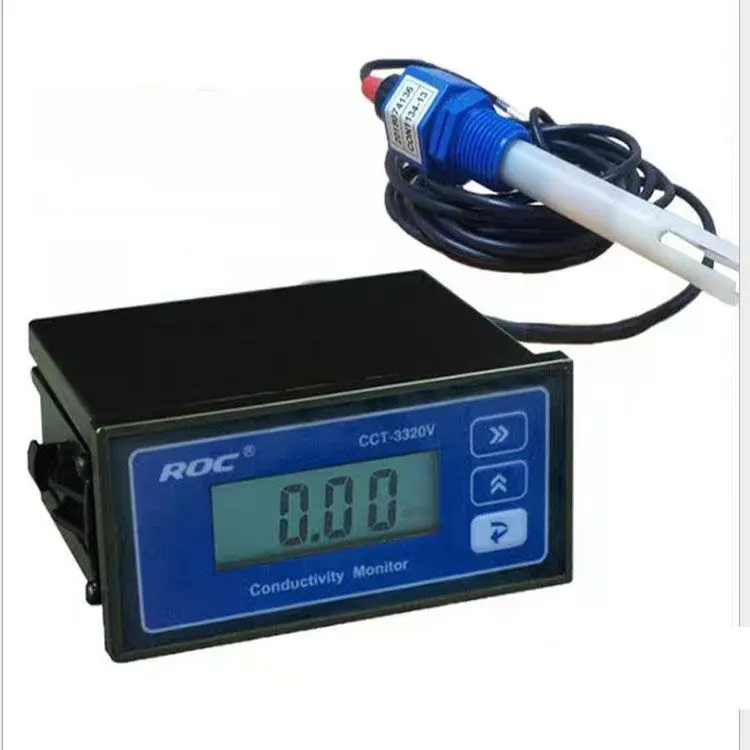
Article #828 | ChiMay Inline Conductivity Sensor | ChiMay water quality analyzer for adsorption monitoring