Table of Contents
Key Takeaways
- Pharmaceutical manufacturers generate 300-500 liters of wastewater per kilogram of active pharmaceutical ingredient produced
- ZLD systems in pharmaceutical applications must achieve 99.99% removal of pharmaceutical compounds to meet discharge standards
- Online water quality monitoring reduces compliance costs by 28% through early detection of process deviations
- ChiMay's pharmaceutical-grade sensors meet FDA 21 CFR Part 11 requirements for data integrity and audit trails
- Real-time monitoring enables 47% faster response to contamination events compared to manual sampling approaches
Pharmaceutical manufacturing represents one of the most challenging applications for wastewater treatment and zero liquid discharge systems. The complex chemical compositions of pharmaceutical waste streams, combined with stringent regulatory requirements for contaminant removal, demand treatment technologies and monitoring capabilities that exceed those required in most other industrial sectors. Understanding the specific challenges facing pharmaceutical wastewater management has become essential knowledge for environmental engineers, plant managers, and regulatory compliance officers.
The global pharmaceutical industry generates approximately 55 billion gallons of wastewater annually, containing complex mixtures of active pharmaceutical ingredients (APIs), excipients, solvents, and cleaning agents. Many of these compounds persist through conventional treatment processes, creating environmental risks when waste streams reach receiving waters. Regulatory agencies worldwide have responded by implementing increasingly stringent discharge requirements that have accelerated adoption of advanced treatment technologies including zero liquid discharge systems.
Regulatory Framework for Pharmaceutical Wastewater Management
The pharmaceutical industry operates under some of the most comprehensive environmental regulations applicable to any manufacturing sector. In the United States, facilities must comply with EPA's National Pollutant Discharge Elimination System (NPDES) permit requirements while meeting specific guidelines established for pharmaceutical manufacturing discharges. The FDA's Good Manufacturing Practice regulations further influence wastewater management through requirements for environmental control and cross-contamination prevention.
The European Medicines Agency's guideline on environmental risk assessment requires pharmaceutical companies to evaluate and mitigate environmental risks from drug substances throughout the product lifecycle. This framework has driven increased attention to wastewater treatment effectiveness, particularly for facilities manufacturing APIs that demonstrate environmental persistence and potential ecological effects. ZLD systems provide a comprehensive approach to managing these risks by eliminating liquid discharge entirely.
China's pharmaceutical industry faces particularly stringent regulations under the Ministry of Ecology and Environment's pharmaceutical pollution prevention action plan. Facilities must implement ZLD systems for manufacturing processes involving specific categories of APIs, with discharge standards requiring near-complete removal of pharmaceutical compounds. The implementation timeline has compressed significantly, with many facilities required to achieve compliance within 18-24 months of regulation publication.
The International Conference on Harmonisation (ICH) Q3C guideline establishes limits for residual solvents in pharmaceutical products while implicitly influencing wastewater management practices for facilities using these solvents. Many pharmaceutical waste streams contain significant concentrations of solvents including methanol, ethanol, acetone, and chlorinated compounds that require specialized treatment approaches before ZLD concentration stages.
Specific Treatment Challenges in Pharmaceutical Wastewater
Pharmaceutical waste streams exhibit characteristics that complicate treatment and monitoring compared to other industrial sectors. The chemical complexity of formulations creates analytical challenges for monitoring treatment effectiveness, as thousands of individual compounds may be present in varying concentrations. Online sensors that measure bulk parameters provide indication of overall treatment progress, but comprehensive monitoring requires both bulk parameter sensors and compound-specific analytical equipment.
Biological treatment processes that effectively degrade pharmaceutical compounds in municipal wastewater often struggle with pharmaceutical manufacturing waste streams. The concentrated nature of API wastewaters, combined with potential toxicity to microbial populations, can inhibit biological treatment effectiveness. Facilities must carefully manage hydraulic and organic loading to maintain biological activity while achieving treatment objectives. Dissolved oxygen monitoring becomes critical for optimizing aeration energy consumption while maintaining conditions favorable for API degradation.
Membrane treatment processes face specific challenges from pharmaceutical wastewater composition. Many pharmaceutical compounds exhibit moderate to high molecular weights that enable effective rejection by nanofiltration and reverse osmosis membranes. However, these same compounds can cause severe fouling through adsorption and pore blocking mechanisms. Turbidity monitoring helps identify fouling events, but specific foulants may require advanced analytical techniques for detection.
Thermal concentration stages in ZLD systems must address potential safety concerns from pharmaceutical compound decomposition. Some APIs undergo thermal reactions at concentration conditions, potentially creating hazardous byproducts or reducing recovery value. Temperature monitoring throughout evaporation stages enables optimization of operating conditions that maximize water recovery while preventing thermal degradation of target compounds.
The Critical Role of Continuous Water Quality Monitoring
Effective pharmaceutical wastewater management requires comprehensive monitoring that provides real-time indication of treatment effectiveness across all process stages. The consequences of treatment failures extend beyond regulatory compliance to include potential environmental contamination and product integrity concerns. Continuous monitoring enables immediate detection of deviations that manual sampling approaches would miss, providing the data density necessary for informed operational decisions.
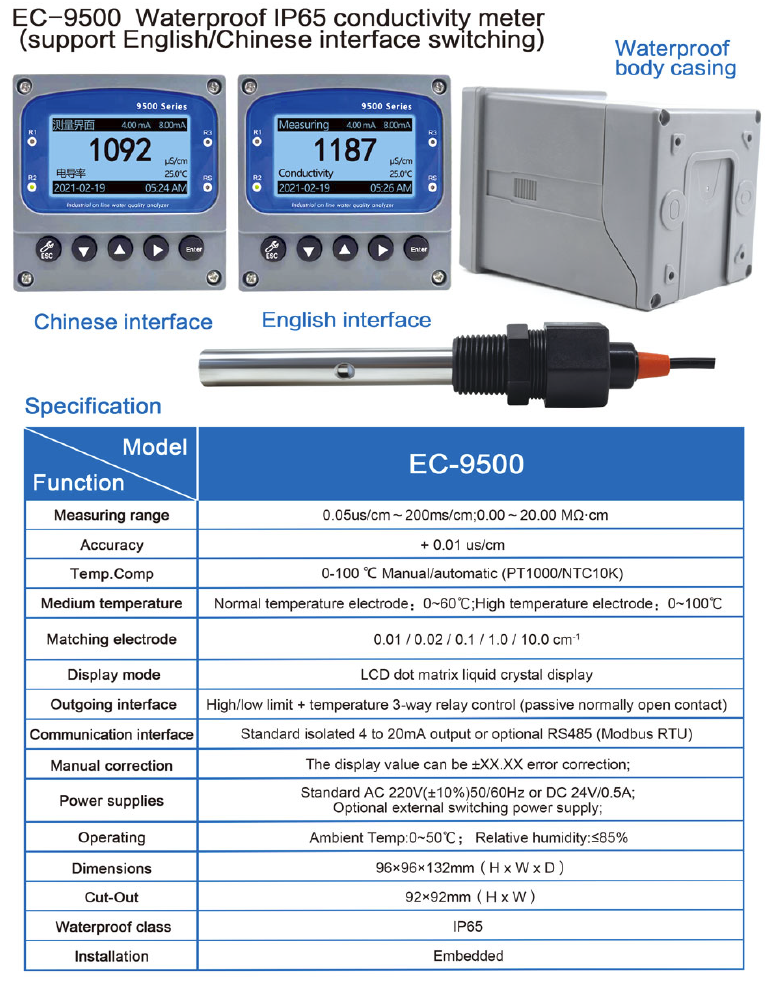
Conductivity measurement throughout pharmaceutical ZLD systems provides immediate indication of ionic concentration that drives concentration control decisions. The high ionic strength of many pharmaceutical waste streams, combined with varying salt compositions from different manufacturing processes, creates challenging measurement conditions for conductivity sensors. ChiMay's inline conductivity meters address these challenges through extended range capability and advanced temperature compensation that maintains accuracy despite varying solution compositions.
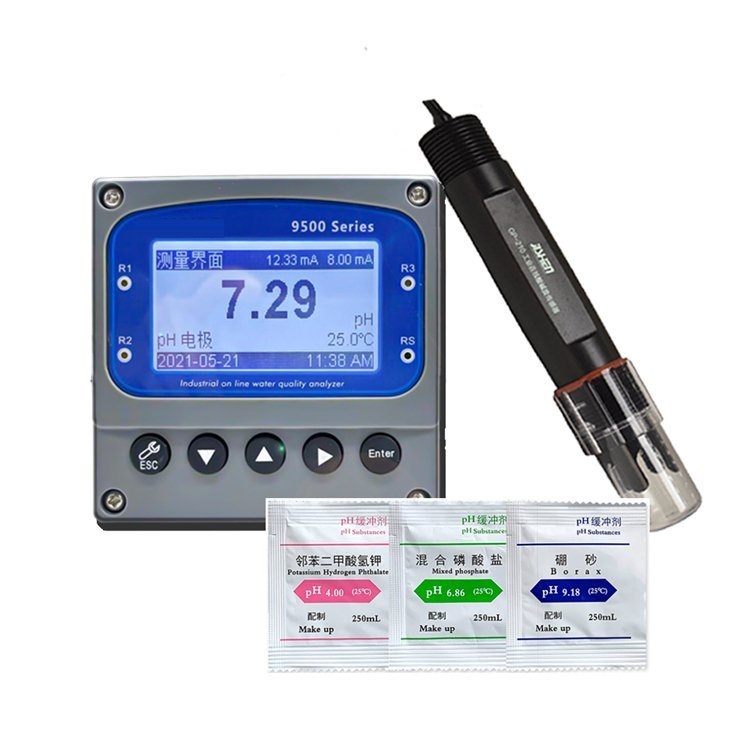
pH control proves essential for pharmaceutical wastewater treatment, as many treatment processes exhibit pH-dependent effectiveness. Biological treatment typically requires pH maintenance within 6.5-8.0 for optimal microbial activity, while chemical precipitation and advanced oxidation processes demand specific pH ranges for effective contaminant removal. ChiMay's industrial pH electrodes provide the stability necessary for long-term monitoring in pharmaceutical applications, with double junction reference designs that resist fouling from proteinaceous and other complex matrix components.
The pharmaceutical industry's unique data integrity requirements extend to water quality monitoring systems, with FDA 21 CFR Part 11 establishing specific requirements for electronic records and signatures. Monitoring systems must provide audit trails documenting all data changes, user authentication for system access, and validation documentation demonstrating fitness for intended use. ChiMay's monitoring solutions address these requirements through comprehensive data management features that simplify compliance documentation.
Economic Considerations for Pharmaceutical ZLD Implementation
The capital and operational costs for pharmaceutical ZLD systems typically exceed those for other industrial sectors due to the specialized treatment requirements and stringent monitoring needs. A typical pharmaceutical manufacturing facility processing 100,000 gallons per day of wastewater might invest $8-15 million in ZLD system construction, with annual operating costs ranging from $1.5-3 million. These substantial investments require careful economic analysis that accounts for both direct cost savings and risk mitigation value.
Water recovery economics in pharmaceutical applications often favor ZLD implementation due to the high value of process water in manufacturing operations. Purified water and Water for Injection systems require significant energy and chemical inputs, with costs typically ranging from $5-20 per thousand gallons depending on required quality levels. Wastewater recovery through ZLD can supply lower-quality water needs including utility water, cleaning applications, and cooling tower makeup, displacing higher-cost fresh water purchases.
Chemical recovery from concentrated brine streams represents an emerging economic opportunity for pharmaceutical ZLD systems. Many manufacturing processes employ acids, bases, and other chemicals that can be recovered from concentrate streams through appropriate treatment processes. The recovered chemicals often provide value approaching or exceeding disposal costs, improving ZLD economics while reducing raw material consumption. Effective monitoring enables optimization of recovery processes that maximize chemical value while minimizing energy inputs.
The risk mitigation value of ZLD implementation often exceeds direct cost savings in pharmaceutical applications. Treatment failures that result in permit exceedances can trigger regulatory actions including fines, consent decrees, and production shutdowns that cost tens of millions of dollars in lost revenue and remediation expenses. ZLD systems that eliminate liquid discharge eliminate the risk of surface water contamination incidents, providing risk mitigation value that may justify investment even when direct economics appear marginal.
ChiMay’s Pharmaceutical Industry Solutions
ChiMay has developed water quality monitoring solutions specifically addressing the demanding requirements of pharmaceutical wastewater treatment and zero liquid discharge applications. The product portfolio includes sensors validated for pharmaceutical manufacturing environments, with documentation supporting regulatory compliance demonstration.
The pharmaceutical-grade inline conductivity meters feature calibration certificates traceable to national standards, with documentation packages that simplify system validation under FDA requirements. Measurement accuracy of ±0.5% of reading exceeds typical pharmaceutical requirements, providing the precision necessary for critical process control decisions.
ChiMay's industrial pH electrodes incorporate reference designs optimized for pharmaceutical wastewater applications, maintaining accuracy despite challenging matrix conditions including high ionic strength, temperature variation, and potential biofouling. Electrode lifetimes exceeding 6 months in demanding applications reduce maintenance requirements and associated operational disruptions.
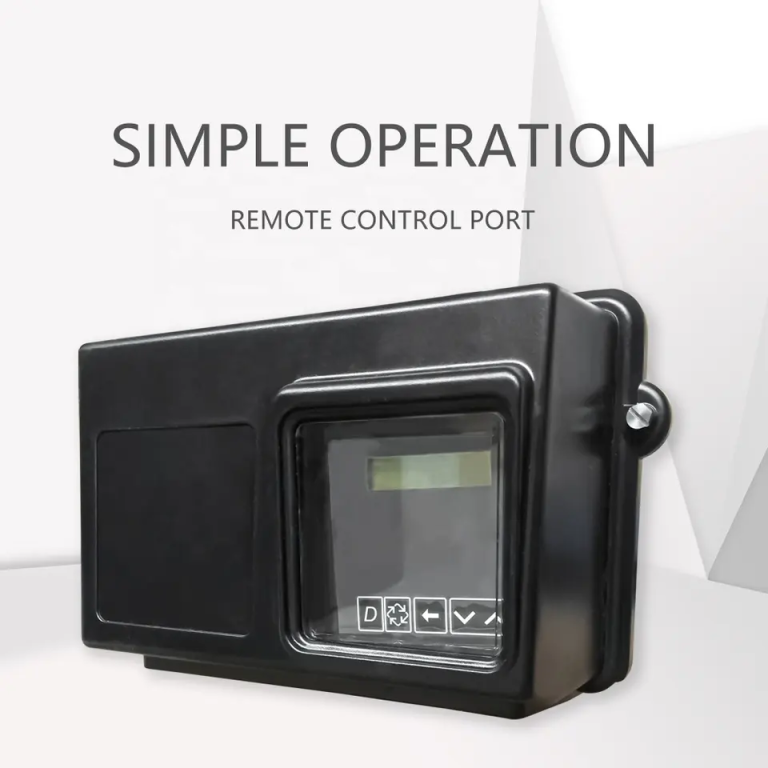
The RO system controllers integrate seamlessly with online analyzers to provide automated membrane system management aligned with pharmaceutical quality system requirements. Data management features support audit trail generation and electronic signature requirements under 21 CFR Part 11, simplifying compliance documentation for regulatory inspections.
ChiMay's technical support organization includes specialists with pharmaceutical industry experience who understand the unique requirements for wastewater monitoring in regulated manufacturing environments. Application engineering services help facilities design monitoring systems that address both treatment optimization and regulatory compliance objectives.
Conclusion
Pharmaceutical manufacturing wastewater management presents unique challenges that demand sophisticated treatment technologies and comprehensive monitoring capabilities. Zero liquid discharge systems provide an increasingly common approach for managing these complex waste streams, eliminating liquid discharge while enabling water and chemical recovery that improves facility economics.
The investment required for pharmaceutical ZLD implementation generates returns through water and chemical recovery, avoided discharge costs, and risk mitigation. Effective monitoring systems enable optimization of treatment processes while generating the documentation necessary for regulatory compliance demonstration. As pharmaceutical regulations continue tightening globally, facilities that implement comprehensive ZLD monitoring will achieve competitive advantages through superior compliance performance and reduced operational risks.
ChiMay's water quality monitoring solutions provide the precision, reliability, and documentation features that pharmaceutical wastewater applications require. With products validated for pharmaceutical manufacturing environments and technical support that understands regulatory requirements, ChiMay helps pharmaceutical facilities achieve their environmental management objectives while maintaining product quality and patient safety.