Table of Contents
Key Takeaways
Data centers represent some of the most water-intensive commercial facilities, with large-scale installations consuming millions of gallons daily for cooling systems that maintain server operating temperatures within strict tolerances. The consequences of cooling system failures extend far beyond the immediate equipment damage, potentially disrupting millions of users and causing significant financial and reputational harm. Water quality monitoring serves as a critical component of cooling system reliability programs that protect these essential facilities.
Data Center Cooling System Fundamentals
Modern data centers employ water cooling systems to remove the substantial heat loads generated by dense server configurations. Direct liquid cooling, rear-door heat exchangers, and chilled water central plants all rely on water as the primary heat transfer medium. The Uptime Institute reports that 42% of large data centers utilize water-based cooling systems, with the percentage increasing for facilities designed for high-density workloads including artificial intelligence applications.
Evaporative cooling towers provide efficient heat rejection for central chilled water plants, consuming significant water volumes through evaporation while concentrating dissolved solids in the recirculating water stream. The U.S. Department of Energy (DOE) estimates that data centers consume approximately 0.5-1.0 gallons of water per kilowatt-hour of cooling, with best-in-class facilities achieving consumption rates 40-60% below industry averages through efficiency optimization.
Cooling system reliability directly impacts data center availability metrics that customers and regulators increasingly scrutinize. The Uptime Institute Tier Standards define availability requirements for differently rated facilities, with Tier IV facilities requiring 99.995% uptime that cooling system reliability directly enables. Water quality monitoring provides the data necessary to maintain cooling system performance consistent with these availability targets.
Critical Water Quality Parameters
Conductivity Control
Conductivity monitoring serves as the primary parameter for cooling water concentration management in data center cooling towers. As evaporation concentrates dissolved minerals, conductivity increases proportionally to total dissolved solids concentration. Automated conductivity-controlled blowdown maintains cycles of concentration within specified limits that prevent scaling while minimizing water consumption.
Data center cooling systems often employ higher cycles of concentration than typical commercial applications because of the critical nature of the protected equipment. The American Society of Heating, Refrigerating and Air-Conditioning Engineers (ASHRAE) Handbook recommends conductivity monitoring with automated control as standard practice for mission-critical cooling systems. Setpoints typically range from 1,500-2,500 μS/cm depending on makeup water quality and treatment program specifics.
The National Electrical Contractors Association (NECA) standards for data center construction reference cooling tower water quality management as an essential element of overall facility reliability. Conductivity monitoring enables the tight control necessary to prevent scale formation on heat transfer surfaces that would reduce cooling efficiency and potentially trigger thermal events damaging servers.
pH Monitoring
Cooling water pH influences corrosion rates, scale formation propensity, and microbiological growth patterns that collectively determine cooling system longevity. The alkaline environment maintained in most cooling systems passivates carbon steel against corrosion while limiting acidic conditions that accelerate copper alloy degradation. Online pH monitoring provides real-time data for treatment chemical dosing adjustments that maintain protective conditions.
Data center cooling systems increasingly utilize corrosion-resistant materials including stainless steel, titanium, and non-ferrous alloys that specific pH ranges optimize for protection. The NACE International guidelines for cooling system water treatment specify pH control ranges correlated with material selections and treatment programs. Continuous pH monitoring enables the precise control necessary for these specialized applications.
Corrosion Index Monitoring
Corrosion index calculations combining multiple water quality parameters provide predictive indication of cooling system corrosion potential. The Langelier Saturation Index (LSI), Ryznar Stability Index (RSI), and Puckorius Index (PSI) each employ different algorithms to assess scale formation and corrosion likelihood. Online monitoring systems calculating these indices in real-time enable proactive treatment adjustments that prevent equipment damage.
Data center operators increasingly require corrosion monitoring to justify extended maintenance intervals and equipment warranties. The Information Technology Industry Council (ITIC) guidelines for data center design recommend corrosion monitoring as part of comprehensive cooling system management programs. The Building Industry Consulting Service International (BICSI) telecommunications infrastructure standards similarly reference water quality monitoring for facilities with critical cooling requirements.
Cooling System Reliability Impacts
The financial consequences of data center cooling failures demonstrate the importance of comprehensive water quality monitoring. The Ponemon Institute annual data center studies document $500,000+ average losses from unplanned downtime incidents, with a significant portion attributable to cooling system failures. Water quality excursions that trigger scale accumulation, corrosion damage, or microbiological fouling directly contribute to these failure events.
Server damage from cooling system failures creates both immediate replacement costs and potential data loss impacts. The thermal tolerances of modern servers permit operation within narrow temperature ranges, with excursions beyond 35°C potentially triggering automatic shutdown to prevent permanent damage. Water quality issues that compromise cooling effectiveness directly threaten this equipment protection.
The reputational consequences of data center service disruptions extend beyond immediate financial impacts. Cloud service customers evaluate provider reliability records when selecting service providers, with documented reliability metrics influencing purchasing decisions. The Uptime Institute certification program considers cooling system reliability as a component of overall facility rating assessments.
Operational Efficiency Optimization
Water quality monitoring enables operational efficiency improvements that reduce both operating costs and environmental impacts. Cooling tower cycles of concentration optimization through conductivity monitoring reduces makeup water consumption by 20-35% compared to conservative time-based blowdown approaches. These water savings translate directly to reduced wastewater discharge and associated sewer costs.
Chemical treatment optimization through precise water quality monitoring reduces treatment chemical consumption by 15-25% compared to manual dosing based on periodic sampling. The American Society of Heating, Refrigerating and Air-Conditioning Engineers (ASHRAE) research demonstrates that automated treatment control based on continuous monitoring achieves better water quality results with less chemical input than traditional approaches.
Predictive maintenance programs benefit from water quality monitoring data that indicates equipment condition changes before failures occur. Increasing corrosion rates revealed through corrosion index trends suggest treatment program adjustments before equipment damage accumulates. Scale formation indicators provide advance warning of conditions that would require system cleaning intervention.
Compliance and Certification Requirements
LEED certification for sustainable buildings awards credits for water efficiency measures including cooling tower water management. Documentation requirements for LEED credit achievement include water use tracking that online monitoring systems automatically generate. The U.S. Green Building Council credits encourage cooling tower optimization that water quality monitoring directly enables.
Regulatory compliance for cooling tower operation increasingly requires water management program documentation that includes water quality monitoring records. The EPA Effluent Limitations Guidelines for Steam Electric Power Generating Point Source Category specify discharge limitations that online monitoring helps facilities demonstrate compliance with. State and local regulations may add additional monitoring requirements.
Customer audit requirements for enterprise data center customers often include cooling system reliability assessment. The SOC 2 (Service Organization Control) compliance framework addresses physical security including environmental controls, with water quality monitoring providing evidence of cooling system management effectiveness. The ISO 27001 information security standard similarly references environmental controls that water quality monitoring supports.
ChiMay Data Center Solutions
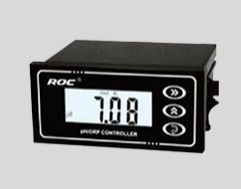
ChiMay provides water quality monitoring solutions specifically designed for data center cooling system requirements. The ChiMay DC series sensors achieve the precision and stability that critical facility applications demand, with accuracy specifications exceeding ±0.5% for conductivity and ±0.02 pH units for pH measurement. Extended calibration intervals reduce maintenance attention while maintaining measurement reliability.
The multi-parameter sensor platform integrates conductivity, pH, ORP, and temperature measurements in single housings that simplify installation in cooling tower basins and process water sampling points. Redundant sensor deployment provides measurement backup that eliminates single-point-of-failure risks for critical cooling system monitoring.
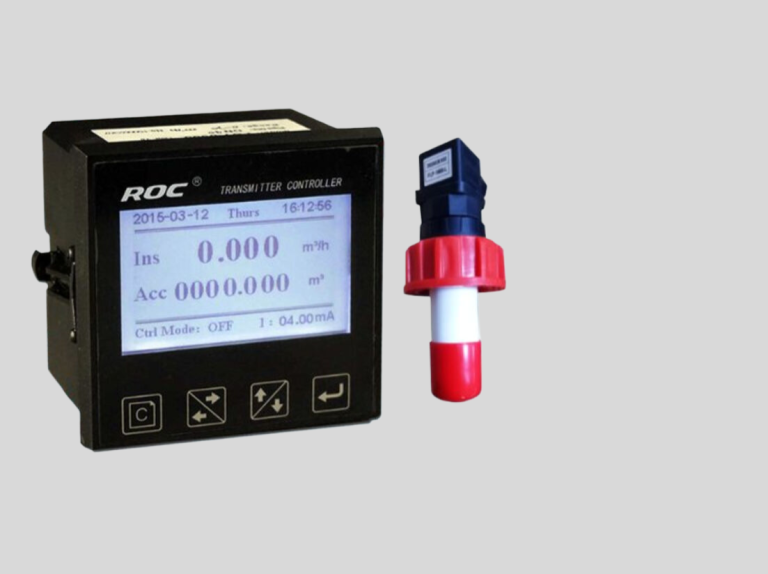
Integration capabilities through Modbus RTU/TCP and 4-20 mA outputs enable connection to building automation systems and data center infrastructure management (DCIM) platforms. Alarm notification capabilities integrate with facility alarm systems for immediate response to water quality excursions. The trend analysis software supports predictive maintenance programs that identify emerging issues before they impact cooling system reliability.
The $500,000+ average loss from data center cooling failures provides compelling financial justification for investment in comprehensive water quality monitoring. The 68% reduction in unplanned downtime achievable through real-time monitoring directly protects both operational continuity and customer relationships. ChiMay solutions deliver the precision, reliability, and integration capabilities that data center operations require for effective cooling system water quality management.