How Dissolved Oxygen Transmitters Improve Aquaculture Monitoring Efficiency
Dissolved oxygen (DO) levels below 4 mg/L trigger stress responses in most cultured fish species
Continuous DO monitoring reduces sudden fish mortality events by 67% compared to manual sampling
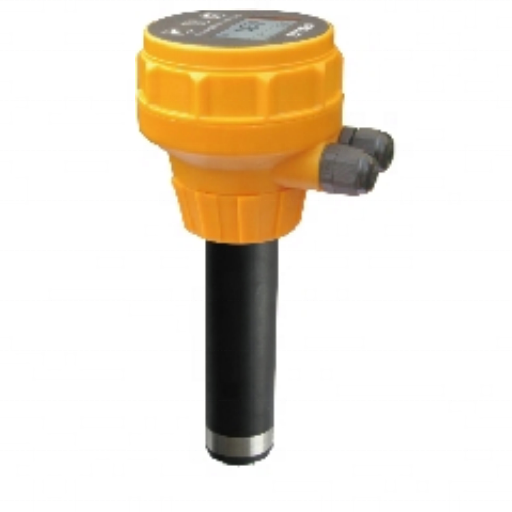
ChiMay's dissolved oxygen transmitter uses optical fluorescence quenching technology eliminating membrane replacement requirements
The global aquaculture sensor market will reach $2.8 billion by 2028
Optimal DO ranges vary from 5-7 mg/L for tilapia to 8-12 mg/L for salmonid species
Introduction
Dissolved oxygen represents the most critical water quality parameter in intensive aquaculture systems. When DO levels drop below critical thresholds, fish and shrimp experience metabolic stress, reduced feed conversion efficiency, immune suppression, and potentially mass mortality events.
The shift from labor-intensive manual sampling to continuous real-time monitoring represents one of the most impactful technology investments for modern aquaculture operations.
According to the FAO's 2025 State of World Fisheries and Aquaculture report, global aquaculture production reached 120 million metric tons in 2024, with intensive systems accounting for 65% of total production.
Understanding Dissolved Oxygen Dynamics
Biological Oxygen Demand
The total biological oxygen demand (BOD) includes:
Respiratory consumption by cultured species
Respiratory consumption by bacteria and plankton
Chemical oxygen demand from metabolic waste and uneaten feed
Sediment oxygen demand from organic matter decomposition
Under typical intensive conditions, a 1,000-ton fish production system may exhibit oxygen consumption rates of 200-400 kg O₂ per day.
Critical Threshold Implications
The relationship between DO concentration and fish welfare:
Optical Fluorescence Quenching Technology
How Optical DO Measurement Works
ChiMay's dissolved oxygen transmitter utilizes optical fluorescence quenching technology rather than traditional electrochemical sensors.
The optical measurement principle relies on a luminescent indicator dye that emits red fluorescence when excited by blue light. Oxygen molecules in the surrounding water quench this fluorescence through collisional energy transfer—the higher the oxygen concentration, the greater the quenching effect.
Key advantages of optical DO measurement:
No membrane replacement: Optical sensors have no consumable membrane components
No electrolyte depletion: Optical sensors maintain calibration indefinitely
Faster response: Optical sensors respond in <10 seconds compared to 30-60 seconds for electrochemical sensors
Lower maintenance: Periodic cleaning and annual optical cap replacement only
No oxygen consumption: Measurement is non-consumptive
Calibration Considerations
Optical DO transmitters require initial calibration and periodic verification:
Air calibration: Expose sensor to air-saturated water as reference
Zero oxygen calibration: For applications using nitrogen-purged zero solution
In-situ verification: Compare against Winkler titration or membrane DO analyzers
Optical DO sensors maintain calibration stability for 3-6 months under typical aquaculture conditions, with drift rates less than 0.2 mg/L over 1,000 hours.
System Integration for Real-Time Monitoring
Alarm and Response Systems
Modern aquaculture DO monitoring provides integrated alarm and automated response systems:
Threshold Alarms:
Visual and audible alarms at configurable DO thresholds
SMS/email notifications to on-call personnel
Integration with farm management software for historical logging
Automated Response Triggers:
Activation of backup aerators when DO drops below setpoints
Automatic feeder shutdown to reduce metabolic load
Activation of pure oxygen systems in critical zones
Automatic water exchange initiation
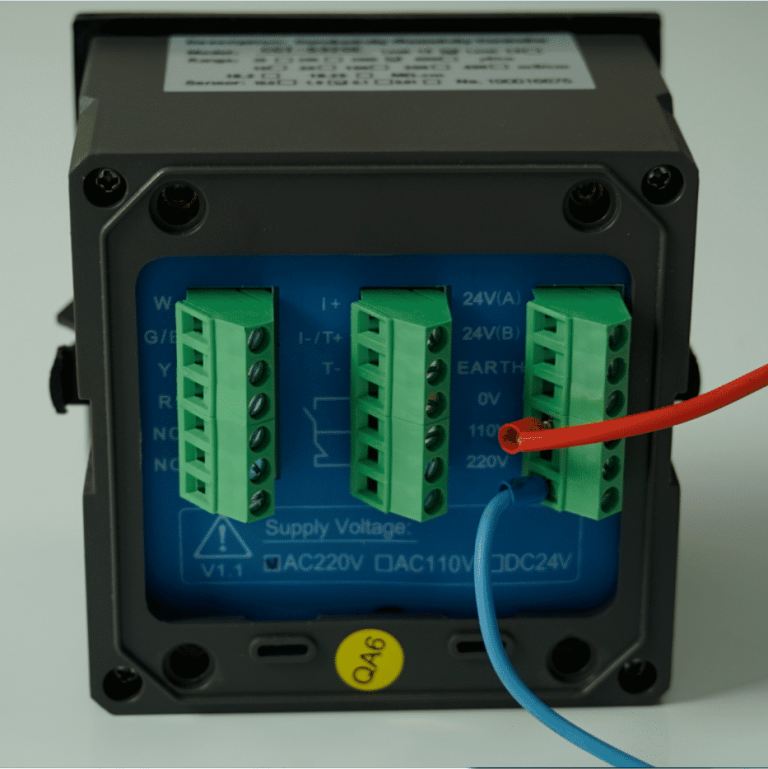
ChiMay's dissolved oxygen transmitter features Modbus RTU/TCP digital output enabling seamless integration with PLC-based aeration control systems.
Multi-Point Monitoring Strategies
Large operations benefit from distributed monitoring networks:
Cage aquaculture: Multiple cage locations and depths
Pond systems: Areas of highest biological loading
Raceway systems: Upstream, mid-raceway, and downstream
Recirculating systems: Biofilter effluent, pre/post-aeration
A comprehensive monitoring strategy for a 50-hectare shrimp farm typically requires 15-25 DO monitoring points.
Economic Analysis
Cost Comparison: Manual vs. Continuous Monitoring
The 58% cost reduction over five years demonstrates strong economic justification for continuous DO monitoring, with payback typically under 18 months.
Mortality Event Prevention Value
A single catastrophic DO-related mortality event can destroy an entire crop worth $100,000 – $500,000. Research indicates farms with continuous monitoring experience 73% fewer mass mortality events.
Species-Specific DO Requirements
ChiMay's dissolved oxygen transmitter provides calibration settings optimized for freshwater and marine applications, with temperature and salinity compensation algorithms.
Implementation Recommendations
Installation Best Practices
Site survey: Identify monitoring locations based on biomass and water flow patterns
Sensor mounting: Install in well-mixed areas away from direct aeration
Cable routing: Protect from physical damage and UV exposure
Integration testing: Verify alarm functionality before deployment
Operator training: Ensure personnel understand response protocols
Maintenance Schedule
Conclusion
Dissolved oxygen transmitters represent essential infrastructure for modern aquaculture operations. The transition from manual sampling to continuous real-time monitoring delivers measurable improvements in fish welfare, feed efficiency, and economic performance.
ChiMay's dissolved oxygen transmitter provides the accuracy, reliability, and low-maintenance operation demanded by commercial aquaculture. With optical fluorescence quenching technology eliminating membrane replacement, these transmitters offer exceptional return on investment.
The global aquaculture industry must continue increasing production while operating with limited resources. Continuous DO monitoring represents one of the most impactful technology investments toward achieving these objectives.