Table of Contents
SCADA Systems in Municipal Water Treatment: Implementation Best Practices
Key Takeaways:
– Modern SCADA implementations reduce water treatment operational costs by 20-35%
– Automated control systems maintain consistent water quality with 40% less operator intervention
– SCADA cybersecurity incidents affecting water utilities increased 300% between 2020-2024
– Typical SCADA modernization returns investment within 4-6 years through operational savings
Supervisory Control and Data Acquisition (SCADA) systems form the operational backbone of modern municipal water treatment facilities. These integrated hardware and software platforms enable operators to monitor treatment processes, control equipment, and respond to events across geographically distributed infrastructure. Effective SCADA implementation proves essential for utilities seeking operational excellence and regulatory compliance.
SCADA Architecture for Water Treatment
Water treatment SCADA systems typically incorporate multiple hierarchical levels: field instruments and actuators at the process level, programmable logic controllers (PLCs) managing individual processes, SCADA servers aggregating data, and operator workstations enabling human oversight and control.
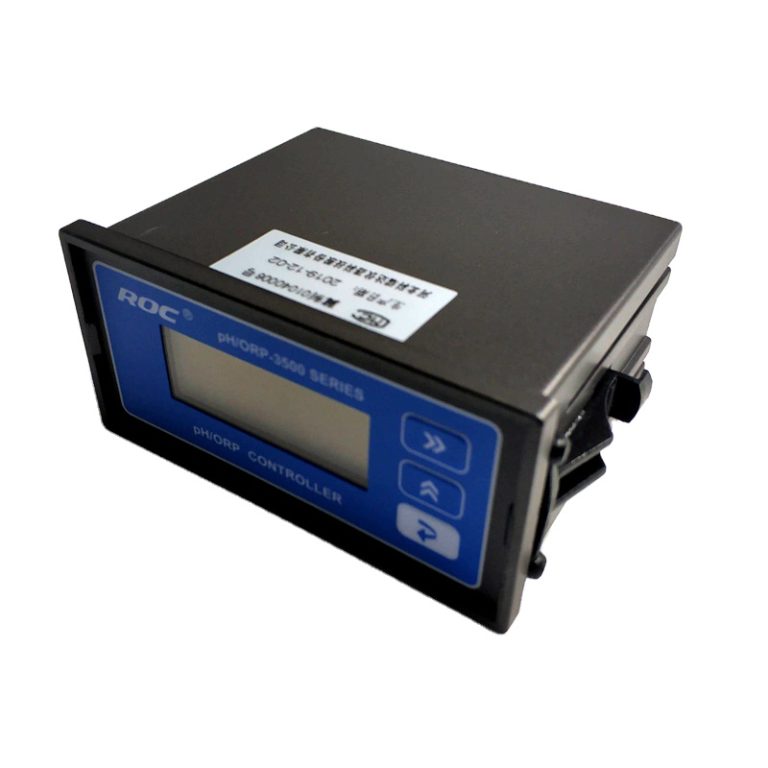
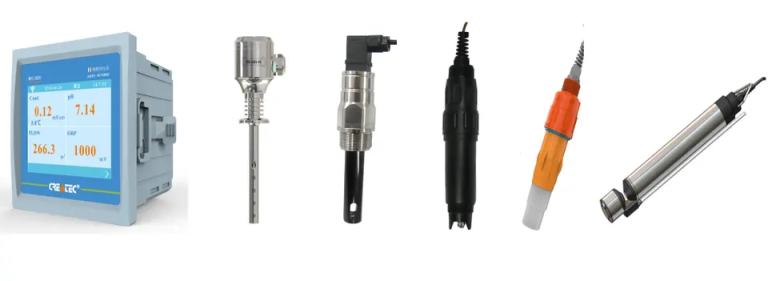
Field instruments including pH sensors, conductivity sensors, turbidity analyzers, and dissolved oxygen meters continuously measure water characteristics. These instruments generate signals that PLCs process and record, triggering automatic responses when parameters deviate from setpoints.
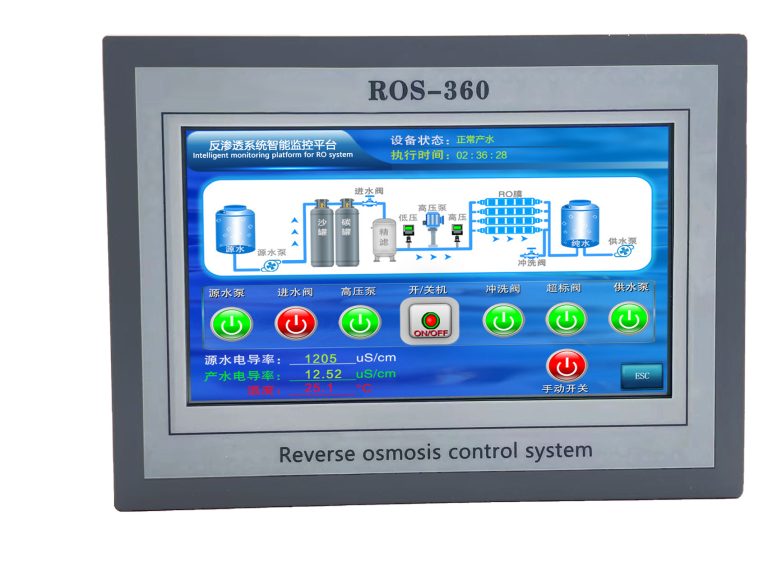
Human-machine interfaces (HMIs) present operational data to operators through graphical displays, alarm summaries, and trending charts. Well-designed HMI screens present critical information prominently while providing access to detailed data as needed.
Historian systems store operational data for extended periods, enabling historical analysis, regulatory reporting, and optimization studies. The volume of data modern SCADA systems generate requires robust database architectures with appropriate capacity planning.
Process Control and Automation
SCADA systems enable multiple levels of process control, from manual operator commands to fully automated feedback control. The appropriate control level varies by process criticality, dynamic behavior, and operator availability.
Feedforward control represents sophisticated automation where SCADA systems anticipate process disturbances and adjust operations preemptively. For example, turbidity spikes at filter influent might trigger automatic dose adjustments before filter effluent quality degrades.
PID (Proportional-Integral-Derivative) control remains the workhorse of process automation, adjusting valve positions, pump speeds, and chemical doses based on measured process responses. Modern SCADA systems provide extensive PID tuning tools enabling optimization for specific process characteristics.
Cascade control coordinates multiple control loops operating at different time scales. A flow-controlled chlorination system, for instance, might maintain primary flow control while adjusting chlorine dose based on measured residual levels in a secondary loop.
Shanghai ChiMay provides water quality sensors suitable for integration with SCADA systems, offering the measurement precision and reliability that automated control requires.
Alarm Management and Event Response
Effective alarm systems protect water quality and equipment while alerting operators to conditions requiring attention. Poor alarm management—excessive alarms, unclear priorities, or missing alarms—undermines operational effectiveness and can create safety risks.
Alarm rationalization reviews existing alarms against defined criteria, eliminating nuisance alarms while ensuring critical conditions receive appropriate alerting. Best practice targets alarm rates below 5 per hour during normal operations, with clear alarm prioritization indicating required response times.
Event-based alarming complements traditional threshold alarms by alerting operators to unusual process patterns that might indicate developing problems. Machine learning algorithms analyzing historical data can identify anomalous behavior that threshold alarms would miss.
Emergency response procedures linked to SCADA alarms guide operator actions during critical events. Well-designed systems present relevant procedures automatically when alarms occur, reducing response time and ensuring consistent handling.
Data Integration and Analytics
Modern water treatment generates vast data volumes from sensors, analyzers, and operational systems. SCADA platforms increasingly serve as data hubs supporting analytics that extract operational insights.
Process performance analytics identify optimization opportunities by analyzing relationships between operational parameters and treatment outcomes. These analyses often reveal efficiency improvements that operators cannot perceive through routine observation.
Predictive maintenance leverages SCADA data to anticipate equipment failures before they occur. Vibration analysis, motor current signatures, and performance trending enable maintenance planning that minimizes both equipment failures and unnecessary work.
Regulatory compliance reporting benefits from SCADA data integration that automatically generates required documentation. Systems can compile daily operating reports, monthly summaries, and annual compliance certifications without manual data compilation.
Cybersecurity Considerations
Water utility SCADA systems face growing cybersecurity threats from nation-state actors, criminal organizations, and hacktivists. The Cybersecurity and Infrastructure Security Agency (CISA) reports that attacks against water sector systems increased significantly from 2020 through 2024.
Network segmentation isolates SCADA systems from general business networks, limiting attack surfaces and preventing malware spread. Firewalls and unidirectional gateways control data flows while blocking unauthorized communications.
Access control limits system access to authorized personnel through strong authentication, role-based permissions, and comprehensive audit logging. Multi-factor authentication provides additional protection for privileged access.
Security monitoring detects intrusion attempts and anomalous behavior through continuous log analysis and intrusion detection systems. Organizations like the Water Information Sharing and Analysis Center (WaterISAC) provide threat intelligence specific to water sector systems.
Incident response planning ensures utilities can respond effectively to cyber incidents. Tabletop exercises and periodic drills validate plans while training staff for their roles during actual events.
Implementation and Modernization
SCADA modernization offers significant opportunities for operational improvement, but implementation requires careful planning. Utilities should assess current capabilities against requirements, prioritize improvements addressing critical gaps, and plan phased implementations that build organizational capabilities progressively.
Vendor selection requires evaluation of technical capabilities, industry experience, long-term viability, and support quality. References from similar utilities provide valuable implementation and support experience insights.
Staff training ensures operators understand new system capabilities and can leverage advanced features effectively. Training should extend beyond technical operation to include analytics interpretation and alarm response procedures.
Phased commissioning validates system functionality progressively, identifying issues before full operational deployment. Thorough testing reduces risk of operational disruptions and ensures system performance meets requirements.
Modern SCADA systems deliver substantial operational benefits through improved process control, enhanced monitoring, and integrated analytics. Utilities approaching SCADA modernization should recognize both the significant benefits available and the importance of careful implementation planning.