Table of Contents
Produced Water Discharge Compliance: A Complete Guide to Meeting OSPAR, EPA, and MARPOL Standards
Key Takeaways
- International produced water discharge standards include OSPAR Guidelines (30 mg/L), EPA NPDES permits (site-specific), and MARPOL Annex I (15 ppm)
- Continuous monitoring enables 95% reduction in non-compliance incidents, avoiding penalties exceeding $2 million annually
- Technology selection must address both average concentration limits and maximum excursion requirements
- ChiMay online analyzers provide regulatory-grade measurement supporting compliance documentation
Introduction
Produced water discharge represents one of the most heavily regulated activities in oil and gas operations. International, national, and regional standards establish concentration limits, monitoring requirements, and reporting obligations that operators must satisfy consistently. Failure to achieve compliance results in regulatory penalties, environmental remediation costs, and reputational damage that can significantly impact operations.
This comprehensive guide examines produced water discharge regulatory frameworks, technology requirements, monitoring obligations, and compliance strategies—providing oil and gas operators with the knowledge needed to achieve and maintain discharge compliance.
Understanding International Discharge Standards
OSPAR Guidelines for the North Sea
The OSPAR Commission establishes produced water discharge standards for offshore operations in the North Sea and Northeast Atlantic. Current guidelines, updated through the OSPAR Decision 2000/2, specify:
- Monthly average oil content: Not to exceed 30 mg/L
- Maximum daily value: Not to exceed 100 mg/L
- Annual average: Not to exceed 30 mg/L based on annual reporting
These limits apply to produced water discharged from offshore platforms in OSPAR maritime areas, with member states (Norway, United Kingdom, Denmark, Germany, and others) implementing through national permit systems. The Norwegian Pollution Control Authority (SFT) and UK Offshore Petroleum Regulator (OPRED) enforce compliance through permit conditions and inspection programs.
ERUN water testing instruments documents how Norwegian operators deploying continuous UV fluorescence monitoring have achieved consistent OSPAR compliance, reducing non-compliance incidents by 95% compared to periodic sampling approaches.
EPA NPDES Permits for U.S. Waters
In the United States, produced water discharge standards derive from the Clean Water Act’s National Pollutant Discharge Elimination System (NPDES). Unlike the uniform OSPAR limits, NPDES permits establish site-specific limitations based on:
- Receiving water body classification and assimilative capacity
- Water quality standards for downstream uses
- Cost considerations for specific treatment technologies
- Anti-degradation policy requirements
Typical offshore NPDES permits for the Gulf of Mexico establish oil and grease limits of 29 mg/L monthly average and 42 mg/L maximum daily value—similar to OSPAR requirements. Onshore operations face more variable requirements depending on discharge destinations.
The EPA Oil and Gas Extraction Effluent Guidelines (40 CFR Part 435) establish baseline requirements that NPDES permits may not exceed.
MARPOL Annex I Requirements
MARPOL Annex I: Prevention of Pollution by Oil establishes discharge standards for ships and offshore units engaged in international commerce. For produced water from mobile offshore drilling units and vessels:
- Oil content must not exceed 15 ppm when discharged
- Discharges must occur more than 12 nautical miles from nearest land
- Ship must be en route with oil content monitoring in operation
The International Maritime Organization (IMO) enforces MARPOL through port state control inspections, with violations potentially resulting in detention, fines, andpsc detention.
Produced Water Characteristics and Compliance Challenges
Understanding Your Discharge Stream
Effective compliance requires thorough understanding of produced water characteristics relative to regulatory limits. Key characteristics affecting compliance include:
Oil Concentration Variability: Produced water oil content varies from below 50 mg/L in mature water-flooded fields to exceeding 10,000 mg/L in primary production. Operators must design treatment systems accommodating this variability.
Emulsification: Chemical and physical processes can create stable oil-in-water emulsions that resist separation. Emulsified oil requires more intensive treatment than free oil, affecting technology selection.
Production Rate Fluctuations: Oil and gas production rates—and consequently produced water volumes—vary with market conditions, well performance, and operational decisions. Treatment systems must accommodate these fluctuations.
Formation Chemistry Changes: As fields mature, produced water chemistry evolves with changing reservoir conditions. Regular characterization monitoring ensures treatment systems remain appropriate.
Regulatory Limit Interpretation
Regulatory limits contain nuances requiring careful interpretation:
Time-Weighted Averages vs. Grab Samples: Monthly average limits typically require flow-weighted averaging, meaning high flows during low concentrations dilute high concentrations during low flows. Understanding this calculation is essential for compliance verification.
Maximum Excursion Limits: Daily maximum limits prohibit any single measurement exceeding the specified value—requiring monitoring systems sensitive enough to detect brief violations.
Detection Limit Considerations: Some constituents have limits below practical detection limits, requiring treatment technology capable of achieving sub-part-per-million detection capability.
Technology Selection for Compliance Achievement
Primary Treatment Technologies
Gravity Oil-Water Separators: CPI (Corrugated Plate Interceptor) and API separators achieve oil concentrations typically in the 100-500 mg/L range, suitable for first-stage treatment but generally insufficient alone for compliance.
Induced Gas Flotation (IGF): Dissolved gas flotation units achieve 50-150 mg/L oil concentrations, often sufficient for compliance when influent concentrations remain moderate.
Hydrocyclones: Compact vortex separation devices achieving 100-200 mg/L oil concentrations, suitable for space-constrained applications.
Advanced Treatment Technologies
Media Filtration: Dual-media or multimedia filters polish effluent to 30-50 mg/L, suitable for achieving OSPAR average limits when combined with effective primary treatment.
Membrane Filtration: Ultrafiltration and nanofiltration systems achieve oil concentrations below 5 mg/L, well within compliance requirements. Morgan Reed Insights identifies membrane filtration as dominating advanced treatment applications.
Activated Carbon Adsorption: GAC systems remove dissolved hydrocarbons that other technologies cannot address, serving as polishing stages in comprehensive treatment trains.
Technology Selection Matrix
| Technology | Typical Oil Removal | Capital Cost | Operating Cost | Footprint |
|---|---|---|---|---|
| Gravity Separator | 50-70% | Low | Very Low | Large |
| IGF | 70-90% | Moderate | Moderate | Moderate |
| Hydrocyclone | 60-80% | Low | Low | Small |
| Media Filtration | 80-95% | Moderate | Moderate | Moderate |
| Membrane (UF/NF) | 95-99% | High | Moderate | Small |
Monitoring Requirements and Best Practices
Continuous vs. Periodic Monitoring
Regulatory compliance monitoring approaches vary from periodic grab sampling to continuous inline measurement:
Periodic Sampling: Traditional approach collecting samples at intervals (daily, weekly) for laboratory analysis. Advantages include independent verification and comprehensive parameter coverage. Disadvantages include delayed results, sampling variability, and inability to detect brief excursions.
Continuous Monitoring: Inline sensors providing real-time measurement with automatic alarm and diversion capability. ERUN Water Testing Instruments reports that continuous monitoring achieves 95% compliance improvement compared to periodic sampling.
ChiMay online analyzers provide continuous oil-in-water measurement using UV fluorescence technology compliant with ISO 9377-2 and ASTM D7066-04 standards, delivering the regulatory-grade data that compliance documentation requires.
Monitoring System Design
Effective compliance monitoring systems include:
- Primary Sensor: Oil-in-water measurement using UV fluorescence for OSPAR/MARPOL compliance or infrared absorption for higher concentration ranges
- Process Sensors: Flow measurement for load calculation and flow-weighted averaging
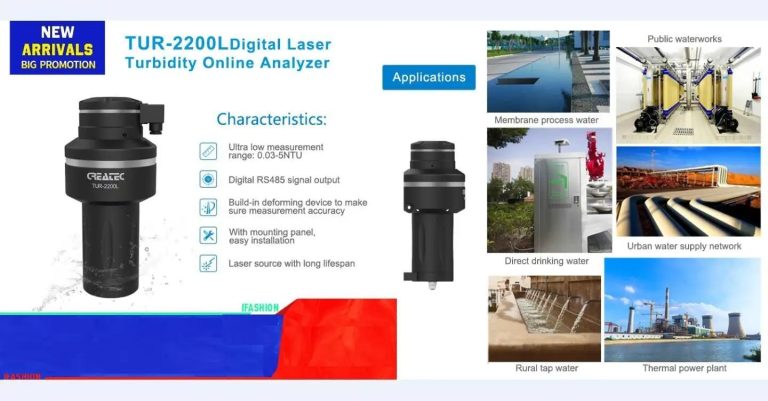
- Quality Sensors: Conductivity, pH, and turbidity for treatment system performance verification
- Redundant Sensors: Backup measurement ensuring continuous compliance data availability
- Data Management: Secure data storage, alarm notification, and regulatory reporting systems
Calibration and Quality Assurance
Regulatory agencies require documented calibration and quality assurance procedures:
- Daily calibration checks using certified reference standards
- Weekly zero/span verification ensuring sensor response
- Monthly laboratory correlation comparing sensor readings to reference methods
- Quarterly comprehensive calibration following manufacturer specifications
- Annual recertification by qualified instrumentation specialists
ChiMay service programs support these quality assurance requirements, providing calibration services and documentation meeting regulatory expectations.
Compliance Documentation and Reporting
Recordkeeping Requirements
Regulatory permits typically require maintenance of compliance records including:
- Discharge volumes and flow rates
- Oil concentration measurements (continuous and grab samples)
- Treatment system operational parameters
- Equipment maintenance and calibration records
- Non-compliance events and corrective actions
- Laboratory analysis reports
Regulatory Reporting
Periodic reporting obligations include:
- Monthly operating reports documenting discharge volumes and concentrations
- Quarterly compliance certifications verifying permit condition satisfaction
- Annual reports summarizing treatment system performance and receiving water impacts
- Incident reports documenting any unauthorized discharges
Audit Readiness
Maintaining continuous compliance requires ongoing attention to documentation and operational practices:
- Standard operating procedures for all treatment system operations
- Operator training records demonstrating qualified personnel
- Equipment maintenance logs documenting preventive maintenance
- Corrective action records addressing any identified deficiencies
Conclusion
Produced water discharge compliance requires integrated attention to regulatory requirements, treatment technology selection, monitoring system deployment, and documentation practices. The international standards—OSPAR Guidelines, EPA NPDES permits, and MARPOL Annex I—establish clear performance requirements that achievable with appropriate technology investment.
Continuous monitoring using regulatory-grade analyzers provides the real-time visibility and compliance documentation that modern regulatory frameworks demand. ChiMay online analyzers, oil-in-water sensors, and multi-parameter monitoring systems deliver the reliability, accuracy, and documentation capabilities that compliance success requires.
By combining appropriate treatment technology with comprehensive monitoring infrastructure, operators achieve consistent compliance while building the operational excellence foundation for sustainable produced water management.