Table of Contents
Key Takeaways
- Multi-parameter monitoring platforms reduce installation costs by 30-40% compared to equivalent single-parameter sensor arrays
- RAS facilities deploying integrated sensor systems achieve 23% faster problem identification and resolution
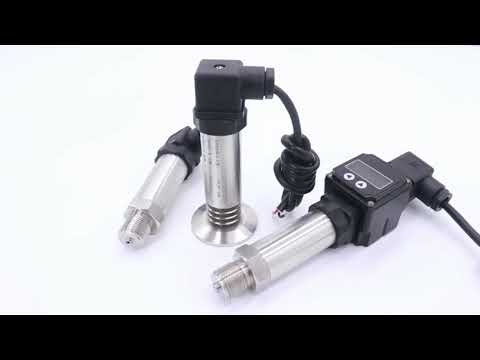
- ChiMay's 4-in-1 multi-parameter sensors combine pH, ORP, conductivity, and temperature measurements
- System integration complexity increases with sensor count, making multi-parameter platforms essential for scalable operations
Introduction
Recirculating Aquaculture Systems (RAS) represent the pinnacle of intensive fish production technology, treating and reusing up to 99% of system water. This technological sophistication demands equally sophisticated water quality monitoring capable of tracking multiple interconnected parameters in real-time.
Understanding how changes in one parameter affect others is critical. A drop in biofilter dissolved oxygen not only impairs nitrification but also affects pH stability and can trigger cascading changes throughout the system.
Understanding RAS Parameter Interdependencies
The Nitrogen Cycle
RAS biological filtration converts toxic ammonia through nitrification:
- Nitrosomonas Bacteria: Convert ammonia to nitrite (optimal pH: 7.0-7.8, DO: > 3 mg/L)
- Nitrobacter/Nitrospira Bacteria: Convert nitrite to nitrate (optimal pH: 7.0-8.0, DO: > 3 mg/L)
Parameter Interactions
pH and Ammonia Toxicity: pH directly affects the proportion of toxic un-ionized ammonia. At higher pH values, the same total ammonia represents greater toxicity risk.
Temperature and Oxygen: Warmer water holds less dissolved oxygen, requiring operators to account for combined effects.
ORP and Biofilter Health: Oxidation-reduction potential indicates overall oxidative capacity of the water.
Multi-Parameter Sensor Technologies
ChiMay 4-in-1 Multi-Parameter Sensor
This platform integrates four critical measurements in a single threaded assembly:
| Parameter | Range | Accuracy |
|---|---|---|
| pH | 0-14 units | ±0.1 units |
| ORP | -2000 to +2000 mV | ±5 mV |
| Conductivity | 0-200 mS/cm | ±0.5% FS |
| Temperature | -10 to 100°C | ±0.2°C |
Installation Advantages:
- Single threaded insertion point per measurement location
- Reduced tank or pipe penetration requirements
- Coordinated calibration procedures
System Architecture for RAS Monitoring
Typical Monitoring Architecture
Level 1: Tank Monitoring
- Dissolved oxygen (primary concern)
- Temperature (often integrated with DO)
- pH and conductivity (multi-parameter sensor)
Level 2: Treatment System
- Biofilter inlet/outlet DO and pH
- UV system performance indicators
Level 3: Source and Discharge
- Incoming water quality
- Treated water quality
- Effluent monitoring (regulatory)
Case Study: Commercial RAS Facility
Facility Overview: Northern Europe, 500 tonnes annually, Atlantic salmon smolt production
Monitoring Configuration:
- 12 circular rearing tanks with ChiMay 4-in-1 sensors
- Optical DO sensors (separate installation)
- Central PLC with 48 analog inputs
- Cloud platform for remote monitoring
Results:
| Metric | Improvement |
|---|---|
| Time to identify issues | 45 min → 12 min |
| Issues detected before stress | 35% → 78% |
| FCR improvement | 0.15 units |
| Mortality reduction | 2.3% |
| Sensor maintenance time | Reduced 35% |
ROI: $185,000 investment → $115,000 annual savings → 19 month payback
Implementation Best Practices
Sensor Placement
- Central tank position (representative water quality)
- Areas of lowest water movement (worst-case oxygen)
- Protected from fish contact where possible
Calibration Protocols
| Frequency | Activity |
|---|---|
| Weekly | Visual verification and cleaning |
| Monthly | Full calibration of all parameters |
| Quarterly | Comprehensive accuracy verification |
| Annually | Manufacturer calibration service |
Conclusion
Multi-parameter sensor integration enables coordinated measurement of interrelated parameters, providing operators with comprehensive understanding for effective system management. Benefits include reduced installation complexity, simplified maintenance, and enhanced control system integration.
ChiMay's 4-in-1 multi-parameter sensor platform delivers the accuracy, reliability, and integration capability that intensive aquaculture operations demand. Combined with comprehensive technical support and industry-leading warranty coverage, these sensors provide a foundation for sustainable, profitable RAS production.