Table of Contents
Key Takeaways
- Dissolved oxygen levels below 4 mg/L cause stress in most fish species; levels below 2 mg/L cause mortality
- Proper DO management improves fish growth rates by 25-40% compared to suboptimal conditions
- Aeration energy represents 30-50% of total aquaculture operational costs
- Automated DO monitoring reduces oxygen-related losses by 85% compared to manual monitoring
Dissolved oxygen (DO) represents the most critical water quality parameter in aquaculture operations. Fish and other aquatic organisms require oxygen for metabolic processes, with dissolved oxygen availability directly limiting growth rates, feed conversion efficiency, and overall production. This comprehensive guide examines dissolved oxygen management strategies for successful aquaculture operations.
Understanding Dissolved Oxygen Requirements
Dissolved oxygen levels in aquaculture systems depend on multiple interacting factors.
Species-Specific Requirements
Different species have varying oxygen requirements:
- Cold water species (trout, salmon): Optimal DO 8-10 mg/L, stress below 5 mg/L
- Warm water species (tilapia, catfish): Optimal DO 4-6 mg/L, stress below 2 mg/L
- Marine species (sea bass, shrimp): Optimal DO 5-7 mg/L, stress below 3 mg/L
Understanding target species requirements enables appropriate system design and operational management.
Temperature Effects
Oxygen solubility decreases with increasing temperature. Water at 20°C holds approximately 8.8 mg/L dissolved oxygen at saturation, while water at 30°C holds only 7.5 mg/L. Combined with increased metabolic rates at higher temperatures, warmer conditions create greater oxygen stress.
Seasonal temperature variations require corresponding management adjustments to maintain adequate oxygen availability.
Causes of Dissolved Oxygen Depletion
Multiple factors contribute to oxygen depletion in aquaculture systems.
Biological Oxygen Demand
Fish respiration consumes oxygen directly, while bacterial decomposition of waste organic matter creates additional demand. Biochemical oxygen demand (BOD) from uneaten feed and fish waste often exceeds direct fish respiration by 2-3 times in intensive systems.
As feeding rates increase, oxygen demand from bacterial decomposition grows proportionally, requiring more aggressive aeration or oxygenation.
Nighttime Depletion
Photosynthetic oxygen production by algae and aquatic plants occurs only during daylight hours. At night, respiration continues without corresponding production, creating dissolved oxygen decline that can reach minimum levels at dawn.
This "dawn die-off" phenomenon causes fish stress and mortality if DO drops below critical thresholds during early morning hours.
Monitoring Approaches
Effective DO management requires reliable monitoring.
Sensor Selection
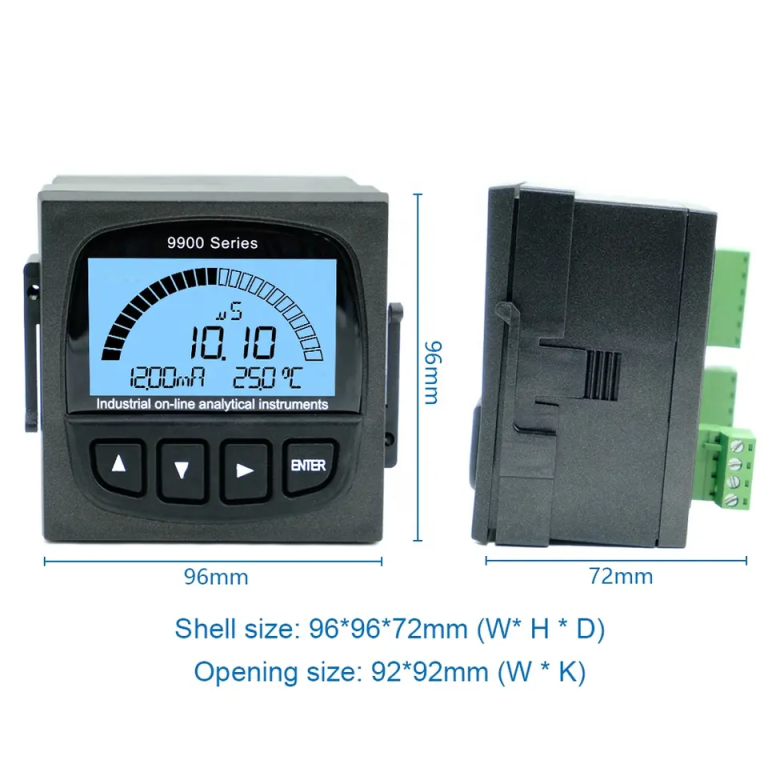
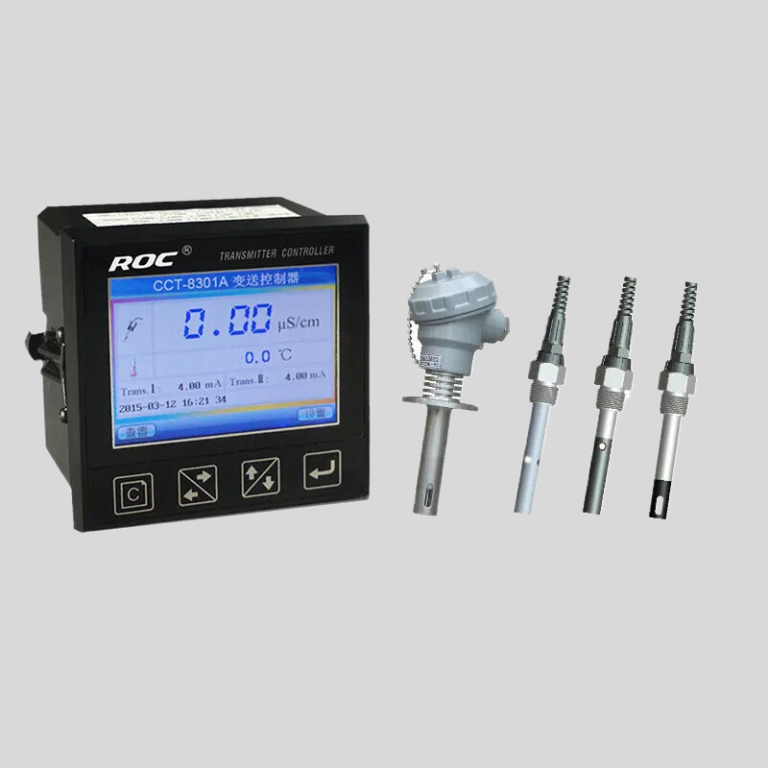
dissolved oxygen sensors employ two primary technologies:
- Polarographic sensors: Electrochemical cells requiring oxygen-permeable membranes, stable but requiring periodic membrane replacement
- Optical sensors: Luminescent probes that detect oxygen quenching, longer-lasting with less maintenance
National Aquaculture Research indicates that optical sensors increasingly dominate new installations due to reduced maintenance requirements and superior stability.
Placement Strategy
Sensor placement should capture representative conditions:
- Multiple depth monitoring: Oxygen stratification occurs in deeper ponds
- Inlet and outlet monitoring: Detects consumption across production units
- Critical point monitoring: Highest fish density areas
Data logging enables trend analysis that informs operational decisions.
Aeration Systems
Mechanical aeration transfers atmospheric oxygen to water.
Types of Aerators
Common aeration technologies include:
- Paddlewheel aerators: High oxygen transfer rates, common in pond culture
- Propeller-aspirator pumps: Efficient, suitable for raceways
- Diffused air systems: Gentle mixing, appropriate for tanks
- Low-pressure blowers: Energy-efficient for fine-bubble diffusion
System selection depends on production intensity, pond geometry, and energy costs.
Sizing and Operation
Aerator sizing depends on peak oxygen demand calculations:
- Fish respiration: Approximately 300 g O₂ per kg feed
- BOD from waste: 200-400 g O₂ per kg feed
- Safety factor: 1.5-2.0 multiplier for reliability
Variable-frequency drives enable aeration rate matching to actual demand, reducing energy consumption by 20-35% compared to fixed-speed operation.
Oxygenation Systems
Pure oxygen addition achieves higher dissolved oxygen levels than aeration alone.
Liquid Oxygen Systems
Bulk liquid oxygen storage with pressure vaporizers provides high-purity oxygen for intensive applications. Oxygen diffuser systems in production tanks achieve DO levels of 8-12 mg/L, enabling high-density production.
Liquid oxygen systems cost approximately $0.15-0.25 per kg of oxygen transferred, economical for intensive operations.
On-Site Generation
Pressure swing adsorption (PSA) oxygen generators produce oxygen from ambient air, eliminating liquid oxygen logistics. Systems producing 5-50 Nm³/h oxygen suit small-to-medium operations.
On-site generation costs approximately $0.08-0.15 per kg oxygen, competitive with liquid oxygen at higher consumption volumes.
Automated Control Strategies
Automation enables precise DO management with minimal labor.
Feedback Control Systems
Closed-loop control systems adjust aeration or oxygenation based on sensor readings:
- PID controllers: Proportional-integral-derivative algorithms maintain setpoint
- Cascade control: Multiple loops coordinate complex systems
- Fuzzy logic: Handles imprecise process relationships
These systems maintain DO within narrow ranges despite variations in fish loading and temperature.
Demand-Based Operation
Sophisticated systems predict oxygen demand based on feeding schedules:
- Feed-triggered aeration: Increases aeration before feed digestion increases demand
- Temperature-compensated setpoints: Adjusts targets based on oxygen solubility
- Predictive algorithms: Machine learning forecasts demand based on historical patterns
Demand-based operation reduces energy consumption by 15-25% compared to fixed operation.
Health and Welfare Implications
Proper DO management directly influences fish health and welfare.
Stress Response
Low dissolved oxygen triggers physiological stress responses including:
- Hormonal changes: Cortisol release affecting immune function
- Reduced feed intake: Immediate appetite suppression
- Growth reduction: Compensatory growth delays
- Disease susceptibility: Increased pathogen susceptibility
Chronic sub-lethal stress reduces production efficiency even when mortality does not occur.
Welfare Standards
Modern aquaculture welfare standards emphasize dissolved oxygen requirements:
- Aquaculture Stewardship Council (ASC): Requires DO monitoring and maintenance above species-specific thresholds
- Global G.A.P. Aquaculture: Specifies minimum DO levels and monitoring frequency
- EU Aquaculture Regulations: Mandates DO monitoring in EU production
Compliance with welfare standards increasingly requires documented DO management practices.
Economic Analysis
DO management costs represent significant operational expenses but deliver substantial returns.
Cost Components
Total DO management costs include:
- Equipment capital: Aerators, oxygen systems, sensors
- Energy consumption: Electricity for aeration, typically 30-50% of operational costs
- Maintenance: Equipment repair and sensor calibration
- Labor: Monitoring and equipment management
Return on Investment
Improved DO management delivers multiple benefits:
- Increased growth rates: 25-40% improvement in growth metrics
- Feed efficiency gains: 10-15% reduction in feed conversion ratio
- Reduced mortality: 20-40% decrease in oxygen-related losses
- Higher stocking density: Increased production per unit area/volume
University of Florida studies document payback periods of 8-14 months for automated DO control investments in intensive tilapia production.
Case Study: Intensive Shrimp Production
A commercial shrimp farm in Southeast Asia implemented comprehensive DO management across 200 hectares of intensive ponds.
System Design
The operation deployed:
- Continuous DO monitoring: 4 sensors per pond at varying depths
- Automated paddlewheel aeration: Variable-speed drives matched to demand
- Liquid oxygen backup: Emergency oxygenation for critical events
- Centralized control: SCADA system coordinated pond management
Results
Following implementation, the operation achieved:
- Survival rate improvement: 78% to 91% average survival
- Production increase: 18 tonnes/hectare to 28 tonnes/hectare annually
- Energy efficiency: 0.9 kWh per kg shrimp produced (industry average: 1.4 kWh/kg)
- Feed conversion: 1.4:1 to 1.2:1 improved ratio
Annual revenue increased by $2.1 million with system payback within 14 months.
Best Management Practices
Successful DO management combines monitoring, equipment, and operational practices.
Daily Protocols
Daily management activities include:
- Morning rounds: Verify DO levels at dawn, the critical low point
- Pre- and post-feeding checks: Confirm adequate DO during peak demand
- Weather monitoring: Increase aeration before predicted temperature increases
- Equipment inspection: Verify aerator operation and performance
Record Keeping
Documented records support troubleshooting and compliance:
- DO logs: Daily minimum, maximum, and average values
- Aeration schedules: Operation times and patterns
- Event records: Notable incidents and responses
- Equipment maintenance: Service history for aerators and sensors
Records demonstrate compliance with welfare and certification standards.
Conclusion
Dissolved oxygen management fundamentally determines aquaculture productivity and profitability. Effective DO control requires appropriate monitoring systems, reliable aeration and oxygenation equipment, and automated control strategies that maintain optimal conditions despite varying demand.
Investment in DO management technology delivers substantial returns through improved growth rates, feed efficiency, survival, and production density. For commercial aquaculture operations, comprehensive DO management represents an essential element of successful production.
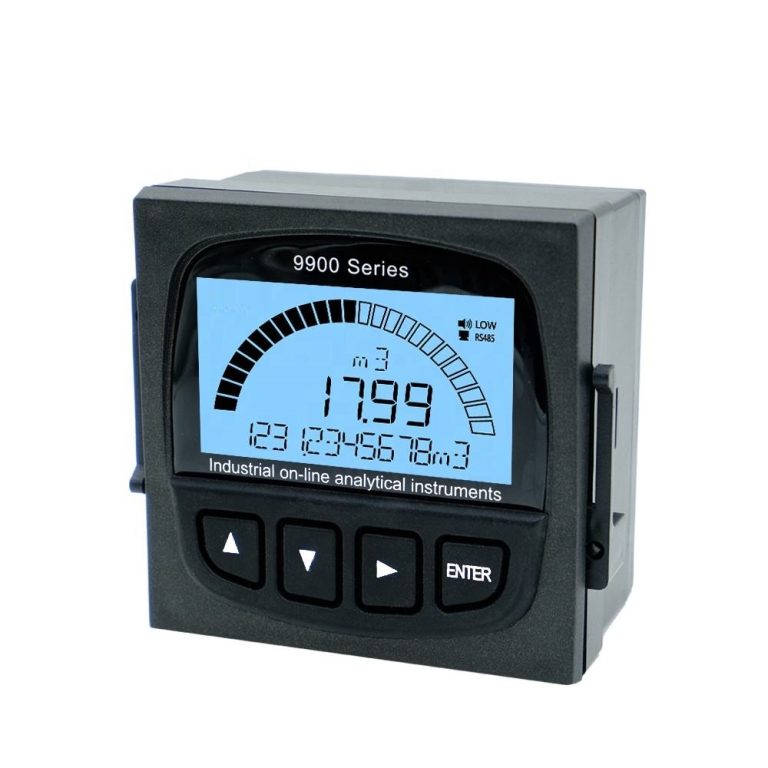
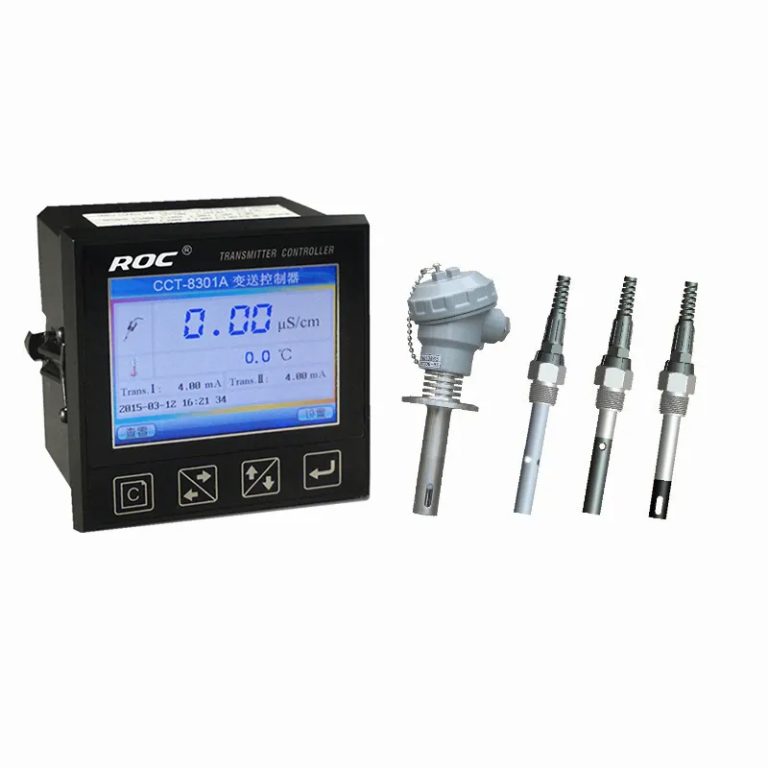
ChiMay's aquaculture water quality monitoring solutions address DO measurement and control with sensors designed for the challenging conditions of production environments.
Word count: approximately 1,350 words