Table of Contents
Key Points
- softener valve selection errors account for 35% of water softening system failures in industrial applications
- Proper valve sizing can reduce regeneration costs by 20-40% through optimized resin utilization
- Industrial softener valves range from $800-$8,000 depending on capacity and automation level
- Valve reliability directly impacts system uptime, with failures causing $5,000-$50,000 in operational losses per incident
- The global industrial water softener valve market reaches $2.4 billion with 6.8% annual growth
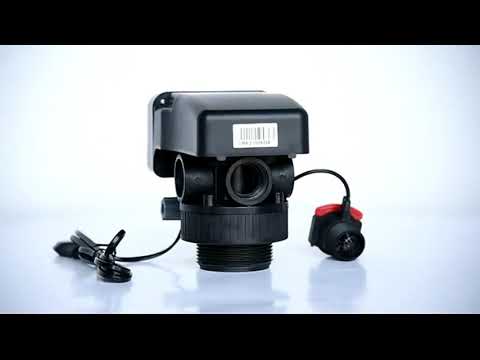
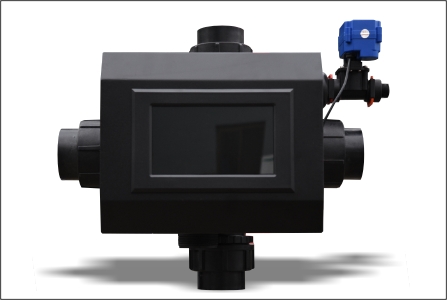
Water softening is essential for protecting industrial equipment from scale damage, improving process efficiency, and extending the service life of boilers, cooling systems, and manufacturing equipment. The control valve represents the heart of any water softening system, managing regeneration cycles, flow routing, and system operation. Selecting the appropriate valve requires careful evaluation of several critical factors. This article examines five key considerations that industrial facilities must address when selecting water softener valves.
Factor 1: Flow Capacity and System Sizing
Understanding Flow Requirements
Flow capacity represents the maximum water flow rate that the softener valve can handle while maintaining effective ion exchange. Undersized valves create excessive pressure drops, reducing system efficiency and potentially causing water quality problems.
Industry guidelines recommend that softener valves operate at 60-75% of maximum rated flow under normal conditions. This margin accommodates flow variations while preventing wear associated with continuous operation at maximum capacity.
Sizing Calculations
Proper valve sizing requires consideration of:
Peak Flow Rate: The maximum flow rate the system must handle during peak demand periods. Calculate based on:
- Number of simultaneous draw points
- Equipment operating requirements
- Safety factors for future expansion
Service Flow Rate: The sustained flow rate the softener must handle during normal operation. This typically represents 40-60% of peak flow for well-designed systems.
Backwash Flow Rate: The flow rate required for effective resin bed fluidization during regeneration. This rate depends on:
- Resin type and particle size
- Water temperature
- Desired bed expansion percentage (typically 40-50%)
Consequence of Improper Sizing
Oversized valves create:
- Short contact times reducing softening effectiveness
- Potential for channeling through the resin bed
- Increased equipment costs without operational benefits
Undersized valves create:
- Excessive pressure drops reducing available water pressure
- Premature resin fouling from inadequate backwash
- System capacity underutilization
Factor 2: Regeneration Control Mechanism
Time-Clock Control
Time-clock valves initiate regeneration at predetermined intervals regardless of actual water usage:
Advantages:
- Simple operation and maintenance
- Lower initial cost
- Predictable regeneration timing
Limitations:
- Regenerates on schedule regardless of actual resin exhaustion
- Wasteful during low-usage periods
- Requires manual adjustment when usage patterns change
Time-clock control suits applications with predictable, consistent water usage patterns where regeneration efficiency is less critical.
Demand-Initiated Regeneration (DIR)
DIR valves monitor water usage or hardness breakthrough and regenerate only when necessary:
Flow-Monitored DIR: Tracks cumulative flow through the system and regenerates after predetermined volumes:
- More efficient than time-clock in variable-load applications
- Reduces salt consumption by 20-35% versus time-clock control
- Requires accurate flow measurement and programming
Hardness-Monitored DIR: Detects hardness breakthrough in the effluent and triggers regeneration:
- Most efficient approach for consistent effluent quality
- Higher cost due to hardness sensor requirements
- Ideal for applications with strict water quality requirements
Selection Recommendation
Industrial applications typically benefit from flow-monitored DIR valves that balance efficiency with cost-effectiveness. Critical applications may warrant hardness-monitored DIR for maximum water quality assurance.
Factor 3: Valve Material and Corrosion Resistance
Material Options
Industrial softener valves are constructed from various materials selected for durability and corrosion resistance:
Brass: Traditional valve material offering:
- Excellent durability and pressure resistance
- Good corrosion resistance in most water conditions
- Higher cost than alternatives
- Weight considerations for large valves
Engineering Plastics (Noryl, Polysulfone): Modern alternatives providing:
- Corrosion resistance in aggressive water conditions
- Light weight simplifying installation
- Lower material cost
- Excellent chemical resistance
Stainless Steel: Premium option for:
- Maximum corrosion resistance
- Extended service life in harsh conditions
- Higher initial investment
- Critical process applications
Corrosion Considerations
Evaluate valve materials against specific water characteristics:
- Chloride concentration: High chloride levels accelerate corrosion in susceptible materials
- pH extremes: Acidic or highly alkaline water may attack certain materials
- Temperature: Elevated temperatures increase corrosion rates
- Chemical treatment: Chlorine, ozone, or other oxidants affect material compatibility
Water Industry Research Foundation data indicates that 25% of premature softener valve failures result from material incompatibility with specific water conditions.
Factor 4: Automation and Communication Capabilities
Basic Automatic Operation
Entry-level automatic valves perform:
- Automatic regeneration sequencing
- Basic alarm indication
- Manual override capability
These valves reduce labor requirements compared to fully manual systems while maintaining reasonable cost.
Advanced Automation Features
Modern industrial softener valves offer sophisticated automation capabilities:
Programmable Regeneration Sequences: Customizable regeneration steps including:
- Backwash stages (1-3 cycles)
- Brine draw and slow rinse
- Rapid rinse
- Refill
Remote Monitoring and Control: Network connectivity enabling:
- SCADA system integration for centralized monitoring
- Email/SMS notifications for alarms and regeneration events
- Remote configuration changes without physical access
- Historical data logging for analysis and reporting
Communication Protocols: Standard protocols include:
- Modbus RTU/TCP: Widely supported industrial protocol
- 4-20mA analog: For simple signal transmission
- Wireless options: For locations difficult to wire
Selection Considerations
Automation requirements depend on:
- Facility monitoring philosophy: Stand-alone versus integrated operation
- Personnel availability: Automated systems reduce labor but require technical support
- Documentation requirements: Computerized records versus manual logs
- Integration with existing systems: Compatibility with current infrastructure
Factor 5: Maintenance Requirements and Serviceability
Built-in Maintenance Features
Modern valve designs incorporate features simplifying maintenance:
Quick-Connect Components: Tool-free access to internal components for inspection and service:
- Reduced maintenance time (30-50% faster than traditional designs)
- Lower labor costs for routine service
- Reduced risk of installation errors
Diagnostic Displays: On-board diagnostics identifying:
- Operating status and cycle position
- Alarm conditions and troubleshooting guidance
- Regeneration history and salt usage
- Water consumption trends
Self-Cleaning Cycles: Automatic cleaning features:
- Prevent solid accumulation
- Reduce frequency of manual cleaning
- Extend service intervals
Service Network and Support
Consider manufacturer support infrastructure:
- Local distributor presence for rapid parts availability
- Technical support availability for troubleshooting assistance
- Training resources for operating personnel
- Warranty coverage and service agreement options
Total Cost of Ownership
Maintenance requirements significantly impact lifecycle costs:
- Scheduled maintenance costs: Salt filling, inspections, cleaning
- Unscheduled repair costs: Parts and labor for failures
- Downtime costs: Production losses during valve failures
- Replacement costs: Ultimate valve replacement at end of service life
McCoy's Research analysis indicates that maintenance costs over a 10-year period typically exceed initial valve purchase cost by 2-4 times, emphasizing the importance of evaluating maintenance requirements during selection.
Implementation Checklist
When evaluating softener valve options, systematically address each factor:
- [ ] Confirm flow capacity matches or exceeds peak demand plus 25% safety margin
- [ ] Verify regeneration control type suits usage pattern variability
- [ ] Validate material compatibility with complete water analysis
- [ ] Assess automation level required for operational and documentation needs
- [ ] Evaluate maintenance requirements against available personnel and budget
Conclusion
Selecting the appropriate industrial water softener valve requires systematic evaluation of flow capacity, regeneration control, materials, automation, and maintenance factors. Each factor influences system performance, reliability, and lifecycle cost.
Facilities that invest appropriate effort in valve selection typically achieve:
- 20-40% reduction in regeneration costs
- 35% fewer system failures from valve-related issues
- 15-25% improvement in system uptime
- 10-20% reduction in lifecycle costs versus reactive selection
ChiMay's industrial softener valves provide the technical capabilities, reliability, and support infrastructure that industrial facilities need to optimize their water softening operations. By carefully evaluating the five critical factors outlined in this article, facilities can select valves that deliver optimal performance throughout their service life.