It seems we can’t find what you’re looking for. Perhaps searching can help.

Other Related Posts

Why Real-Time Water Quality Monitoring Is Reshaping Municipal Water Management

Why Real-Time Water Quality Monitoring Is Reshaping Municipal Water Management Key Takeaways: – Municipal water systems implementing real-time monitoring report up to 35% reduction in waterborne illness outbreaks – 73% of cities with populations exceeding 500,000 now deploy continuous water quality sensors – Advanced monitoring reduces emergency response time by 60% compared to traditional sampling…
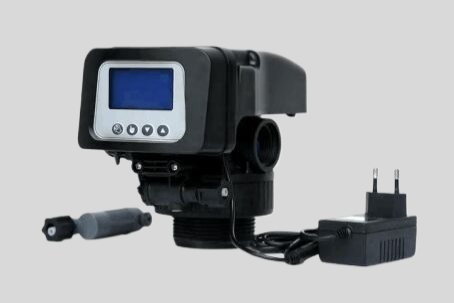
Smart Valve Control Systems: Integrating AI for Optimized Water Softening Operations

Smart Valve Control Systems: Integrating AI for Optimized Water Softening Operations Key Takeaways AI-enhanced water softener valves reduce salt consumption by 22-28% compared to time-clock controlled systems Intelligent control algorithms extend resin lifespan by approximately 15% through optimized regeneration timing Demand-initiated regeneration reduces water waste by up to 40% versus scheduled backwash cycles Predictive maintenance…

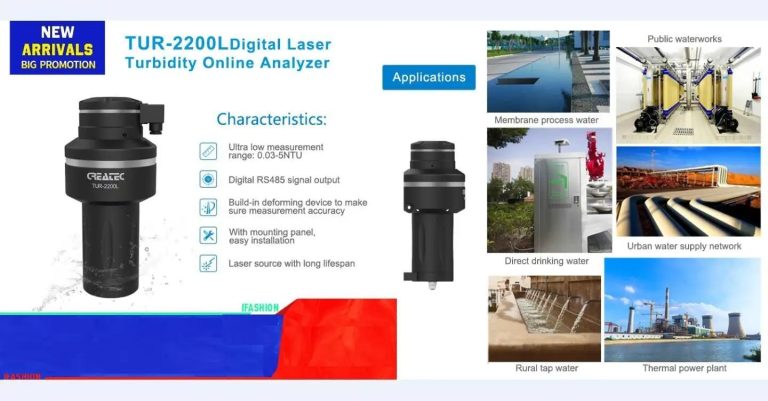
3 Critical Factors Affecting Turbidity Sensor Accuracy in Wastewater Treatment

Key Takeaways Nephelometric turbidity measurement accuracy degrades by 15-40% without proper sensor maintenance in wastewater applications The EPA requires turbidity monitoring below 1 NTU for filtered drinking water, demanding sensor accuracy exceeding ±0.05 NTU Wastewater treatment facilities achieving >95% turbidity removal report 23% lower chemical costs than facilities with inconsistent monitoring Online turbidity monitoring reduces…