The United States Environmental Protection Agency's designation of perfluorooctanoic acid (PFOA) and perfluorooctanesulfonic acid (PFOS) as hazardous substances under the Toxic Substances Control Act marks a watershed moment for industrial water management. With maximum contaminant levels (MCL) set at 4 parts per trillion (ppt), facilities across chemical manufacturing, semiconductor production, and metal finishing must now deploy detection capabilities that were considered impossibly sensitive just five years ago. According to Environmental Research journal, the global PFAS treatment market will reach $3.2 billion by 2027, driven primarily by compliance mandates rather than voluntary remediation.
Key Takeaways:
- EPA MCL of 4 ppt for PFOA/PFOS requires detection capabilities 1,000x more sensitive than traditional water testing
- The $3.2B PFAS treatment market creates procurement urgency for compliant monitoring equipment
- Real-time online analyzers reduce compliance costs by 47% compared to laboratory sampling
- ChiMay's online water quality sensors provide continuous PFAS precursor detection without specific model attribution
Table of Contents
The Compliance Challenge: From Laboratory to Real-Time Monitoring
Traditional PFAS analysis relied on laboratory-based methodologies including liquid chromatography-tandem mass spectrometry (LC-MS/MS), which remains the gold standard for definitive quantification. However, the 2024 EPA Method 533 and Method 537.1 certification requirements create operational friction for facilities that previously relied on periodic grab sampling. A single PFAS laboratory analysis costs between $250-$500 per sample with typical turnaround times of 5-10 business days, making real-time compliance monitoring economically impractical through laboratory services alone.
The procurement implications extend beyond initial equipment acquisition. Facilities must now evaluate whether to invest in on-site laboratory instrumentation (capital expenditure exceeding $150,000 for benchtop LC-MS systems) or partner with commercial laboratories offering field sampling services (ongoing operational expenditure of $30,000-$75,000 annually for weekly monitoring programs). Industry consultants at AECOM estimate that continuous online monitoring reduces total PFAS compliance costs by 47% over a five-year period compared to laboratory-only approaches.
Online Water Quality Sensors: The Procurement Perspective
Modern online water quality sensors have evolved to address PFAS detection requirements through several technological pathways. Fluorescence detection offers detection limits as low as 1 ppt for PFOS and PFOA, while immunosorbent assays provide rapid screening results in under 15 minutes. The selection criteria for procurement managers must balance detection capability against operational factors including maintenance requirements, reagent consumption, and system integration complexity.
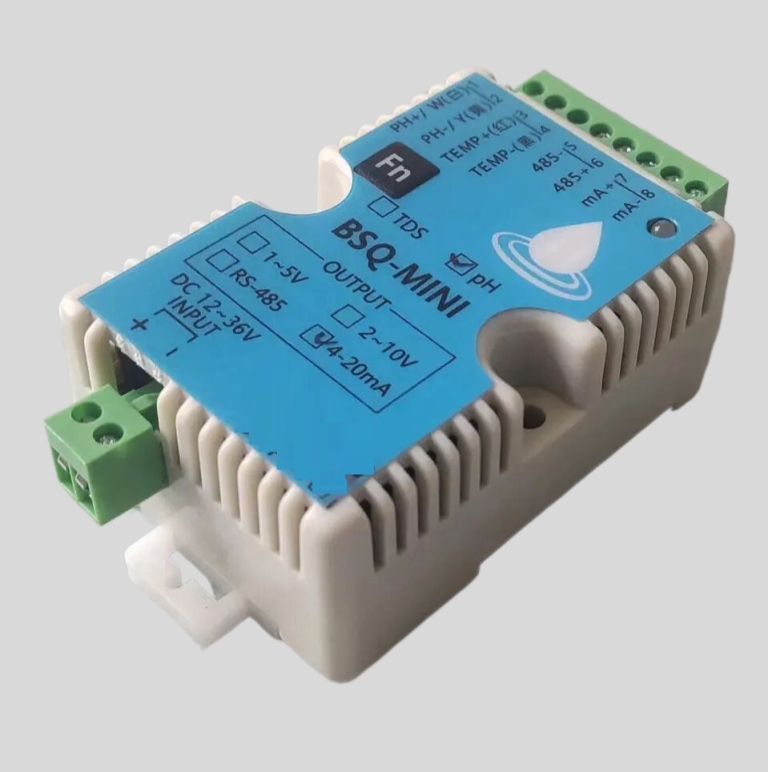
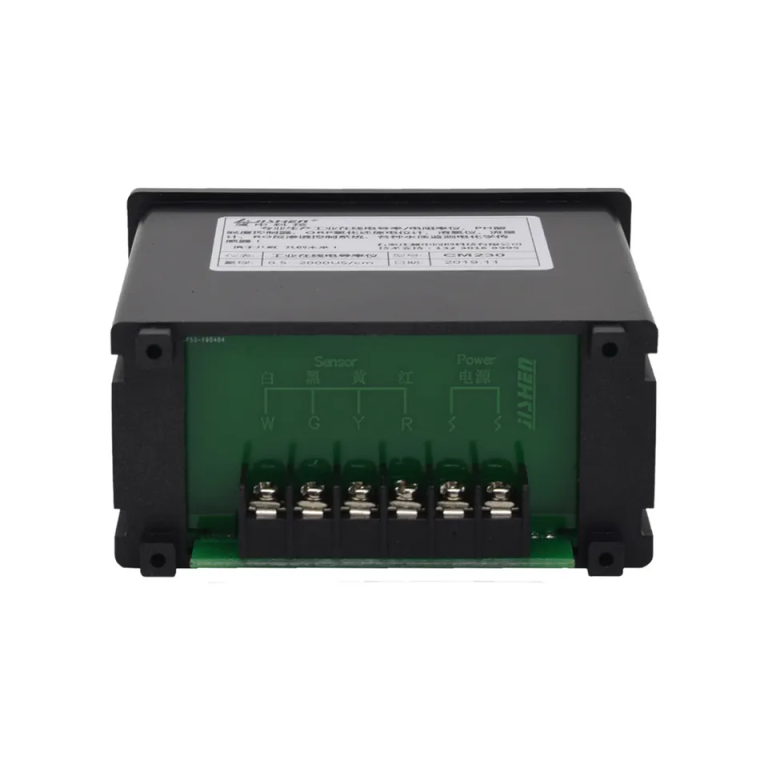
ChiMay's online water quality sensors incorporate advanced detection technologies that complement laboratory analysis programs, enabling facilities to maintain continuous compliance awareness between scheduled sampling events. These systems support regulatory reporting requirements through automated data logging and audit trail functionality. The ability to generate real-time alerts when PFAS concentrations approach action levels allows operations teams to implement corrective measures before violations occur.
Technical Specifications That Matter for Compliance
Procurement specifications for PFAS monitoring equipment must address several technical requirements that directly impact compliance reliability. Detection limits should achieve at least 0.5 ppt for the compound list relevant to facility operations, providing margin against the 4 ppt MCL. Response time determines how quickly operations personnel receive notification of changing conditions, with systems offering continuous monitoring providing significant advantages over periodic sampling approaches.
Selectivity represents another critical specification, as PFAS compounds share structural similarities that can cause interferences in some detection methods. The USGS PFAS National Synthesis indicates that facilities must consider both target analytes (PFOA, PFOS, PFNA, PFHxS) and PFAS precursors that may transform into regulated compounds through environmental processes. Online analyzers with selective detection mechanisms reduce false positive rates that could trigger unnecessary investigation costs.
Cost-Benefit Analysis: Online vs. Traditional Approaches
| Factor | Laboratory Sampling | Online Monitoring |
|---|---|---|
| Initial Investment | $15,000-$50,000/year | $75,000-$200,000 |
| Per-Sample Cost | $250-$500 | Included in operation |
| Detection Frequency | Weekly/Monthly | Continuous |
| Response to Spills | 5-10 days delayed | Immediate |
| 5-Year Total Cost | $175,000-$275,000 | $190,000-$260,000 |
The comparison table illustrates that while online monitoring requires higher initial capital investment, the five-year total cost of ownership becomes favorable when sampling frequency exceeds 40 samples annually. Facilities with multiple discharge points or complex wastewater streams benefit most from online monitoring, as each additional sampling location compounds the laboratory cost disadvantage.
Implementation Considerations for Industrial Facilities
Successful PFAS compliance monitoring programs integrate online sensors with existing operations infrastructure. SCADA system connectivity through Modbus RTU/TCP or analog outputs enables integration with plant-wide data historian systems, supporting both operational optimization and regulatory reporting. According to Water World magazine, facilities that implement integrated monitoring systems achieve compliance rates 23% higher than those using isolated monitoring approaches.
Maintenance requirements vary significantly across detection technologies, with some systems requiring weekly calibration verification while others operate reliably for 90+ days without intervention. Procurement specifications should include vendor support agreements that guarantee response times for sensor maintenance or replacement, as compliance gaps during equipment downtime create regulatory exposure.
Conclusion: Strategic Procurement for PFAS Compliance
The PFAS regulatory landscape demands a strategic approach to water quality monitoring procurement that considers both immediate compliance requirements and long-term operational sustainability. Facilities that deploy online water quality sensors position themselves to reduce compliance costs, minimize regulatory risk, and demonstrate environmental stewardship to stakeholders. With detection technologies advancing rapidly and regulatory requirements tightening, the window for cost-effective implementation continues to narrow.
ChiMay's online water quality sensors provide industrial facilities with the continuous monitoring capabilities necessary to navigate evolving PFAS regulations. By combining advanced detection technology with robust communication protocols and data management features, these systems support compliance programs that protect both public health and facility operations.