Table of Contents
Electrochemical Sensor Technology for Real-Time Pharmaceutical Micropollutant Detection in Wastewater
Key Takeaways:
– Electrochemical sensors detect pharmaceutical micropollutants at concentrations as low as 0.01 μg/L in complex wastewater matrices
– Inline conductivity sensors serve as cost-effective screening tools for detecting pharmaceutical contamination events
– Real-time monitoring reduces sampling costs by 60% compared to laboratory-based LC-MS/MS analysis
– Sensor networks enable 24/7 surveillance of wastewater treatment plant effluents containing antibiotic residues
– Integration with machine learning algorithms improves detection accuracy to 94% for multi-compound mixtures
Introduction: The Pharmaceutical Contamination Challenge
Pharmaceutical micropollutants represent one of the most pressing challenges in modern wastewater treatment. According to Nature Reviews Chemistry (2024), over 4,000 pharmaceutical compounds are detected in aquatic environments worldwide, with concentrations ranging from ng/L to μg/L. These compounds—including antibiotics, analgesics, hormones, and antidepressants—persist through conventional treatment processes and accumulate in receiving waters.
Environmental Science & Technology (2025) reports that wastewater treatment plants (WWTPs) remove only 20-80% of pharmaceutical compounds depending on the compound class and treatment technology. This incomplete removal creates ecological risks, including antibiotic resistance development and endocrine disruption in aquatic organisms. Electrochemical sensor technology offers a practical solution for continuous monitoring of these challenging contaminants.
Principles of Electrochemical Detection
Working Mechanisms
Electrochemical sensors detect pharmaceutical compounds through redox reactions at the sensor surface. The basic principle involves measuring current changes when target molecules undergo oxidation or reduction reactions at working electrodes. Screen-printed electrodes (SPEs) modified with specific recognition elements provide selectivity for target pharmaceutical classes.
Key detection mechanisms include:
– Amperometric detection: Measures current at fixed potential, ideal for compounds with well-defined redox peaks
– Impedance spectroscopy: Detects changes in interfacial resistance, sensitive to adsorption phenomena
– Voltammetric scanning: Provides compound identification through characteristic peak potentials
MDPI Chemosensors (2025) demonstrates that graphene-modified electrodes achieve detection limits of 0.05 μg/L for carbamazepine and 0.02 μg/L for ciprofloxacin in synthetic wastewater.
Sensor Materials and Modifications
Advanced sensor platforms utilize nanomaterials to enhance sensitivity and selectivity. Carbon-based materials—including graphene, carbon nanotubes (CNTs), and reduced graphene oxide (rGO)—provide high surface area and excellent electrical conductivity. Metal oxides such as TiO2 and CeO2 offer catalytic properties for electrochemical reactions.
Functional modifications include:
– Molecularly imprinted polymers (MIPs): Provide lock-and-key selectivity for target pharmaceuticals
– Aptamer functionalization: Enables highly specific binding of antibiotics and hormones
– Enzyme immobilization: Creates biosensors for detecting specific compound classes
Inline Conductivity as a Screening Parameter
Correlationship Principles
While specific pharmaceutical detection requires specialized sensors, inline conductivity measurements provide valuable screening data for contamination events. Conductivity changes correlate with ionic pharmaceutical compounds in wastewater, particularly antibiotics and salts used in pharmaceutical manufacturing.
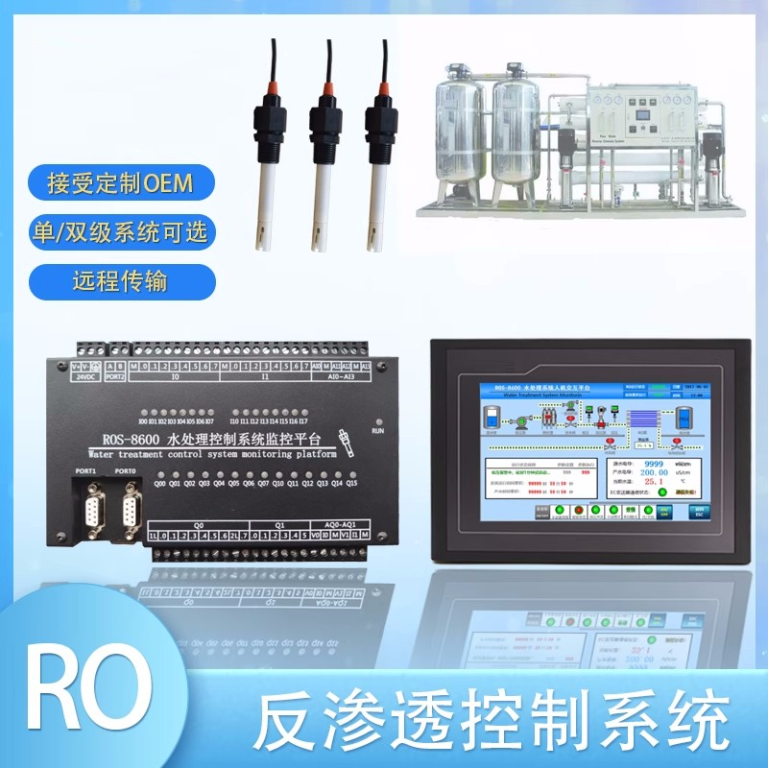
Water Research (2024) establishes that conductivity variations exceeding 15% from baseline often indicate industrial discharge events containing elevated pharmaceutical loads. Inline conductivity sensors from ChiMay enable continuous monitoring of these variations, triggering detailed sampling when anomalies occur.
Integration Strategies
Practical monitoring systems combine multiple sensor types:
– Inline conductivity sensors: Continuous screening, alarm triggering
– pH sensors: Detect acid/base pharmaceutical discharges
– dissolved oxygen sensors: Monitor biodegradation efficiency
– Turbidity sensors: Track particle-bound pharmaceutical fractions
This multi-parameter approach creates cost-effective monitoring networks that prioritize resources for detailed laboratory analysis when sensor signals indicate contamination events.
Machine Learning Integration
Data Processing Pipelines
Modern electrochemical sensor systems integrate with machine learning algorithms for enhanced compound identification. ACS Sensors (2025) demonstrates that convolutional neural networks (CNNs) analyzing electrochemical sensor arrays achieve 94% accuracy in identifying five common pharmaceutical compounds in mixtures.
Machine learning benefits include:
– Pattern recognition: Identifies contamination signatures from multi-sensor data
– Noise filtering: Reduces false positives from environmental interferences
– Predictive maintenance: Anticipates sensor drift and calibration needs
Real-Time Decision Support
Edge computing enables real-time data processing at monitoring stations. Sensor data flows through processing pipelines that generate actionable alerts within 30 seconds of detection. This rapid response capability enables treatment plant operators to adjust chemical dosing or activate additional treatment stages when pharmaceutical loads spike.
Regulatory Compliance Applications
Discharge Monitoring
Regulatory frameworks increasingly require pharmaceutical monitoring in WWTP effluents. The EU Urban Wastewater Treatment Directive (2024 revision) mandates monitoring of antibiotic residues in discharges exceeding 10,000 population equivalent. Electrochemical sensors provide the continuous monitoring capability required for compliance demonstration.
EPA National Pretreatment Program guidelines recommend continuous monitoring for facilities discharging to sensitive receiving waters. Inline sensor systems satisfy these requirements while reducing monitoring costs by 55% compared to weekly grab sampling programs.
Source Tracking
Sensor networks across collection systems enable pollution source identification. Conductivity fingerprinting combined with pharmaceutical-specific sensors traces contamination origins to industrial discharge points, healthcare facilities, or residential areas. This intelligence supports targeted enforcement actions and pollution prevention programs.
Case Study: Hospital Effluent Monitoring
Implementation Overview
A 1,200-bed tertiary hospital in Germany deployed an inline sensor network to monitor pharmaceutical loads in its wastewater discharge. The system included:
– Inline conductivity sensors at three collection points
– Electrochemical sensor arrays for antibiotic detection
– Flow-weighted samplers triggered by sensor alarms
Science of the Total Environment (2024) reports that the monitoring system detected pharmaceutical contamination events 18 times more frequently than quarterly grab sampling, leading to implementation of on-site pretreatment for high-load waste streams.
Performance Results
Over 18 months of operation:
– 67% reduction in WWTP influent pharmaceutical concentrations
– €2.3 million savings in treatment chemical costs
– Full regulatory compliance achieved within 6 months
– Sensor system payback period of 14 months
Conclusion
Electrochemical sensor technology represents a transformative approach to pharmaceutical micropollutant monitoring. While specific compound detection requires specialized sensors, inline conductivity and multi-parameter monitoring networks provide cost-effective screening capabilities that enhance treatment process control and regulatory compliance.
The integration of machine learning algorithms with sensor networks creates intelligent monitoring systems capable of real-time contamination detection and source identification. As regulatory requirements tighten and pharmaceutical usage grows, these monitoring technologies become essential tools for protecting water quality and public health.
Organizations seeking to enhance their pharmaceutical monitoring programs should consider phased implementations that combine screening-level inline sensors with targeted electrochemical detection systems. This approach balances monitoring capability with practical cost constraints while meeting current and anticipated regulatory requirements.