Table of Contents
Water Reuse Through Advanced Membrane Systems: A Complete Guide
Key Takeaways:
– Industrial water reuse market projected to reach $12.5 billion by 2028, driven by scarcity and regulatory pressures
– Advanced membrane systems achieve 85-95% water recovery rates while meeting stringent discharge standards
– The global membrane market will reach $26.7 billion in 2026, with reuse applications capturing increasing market share
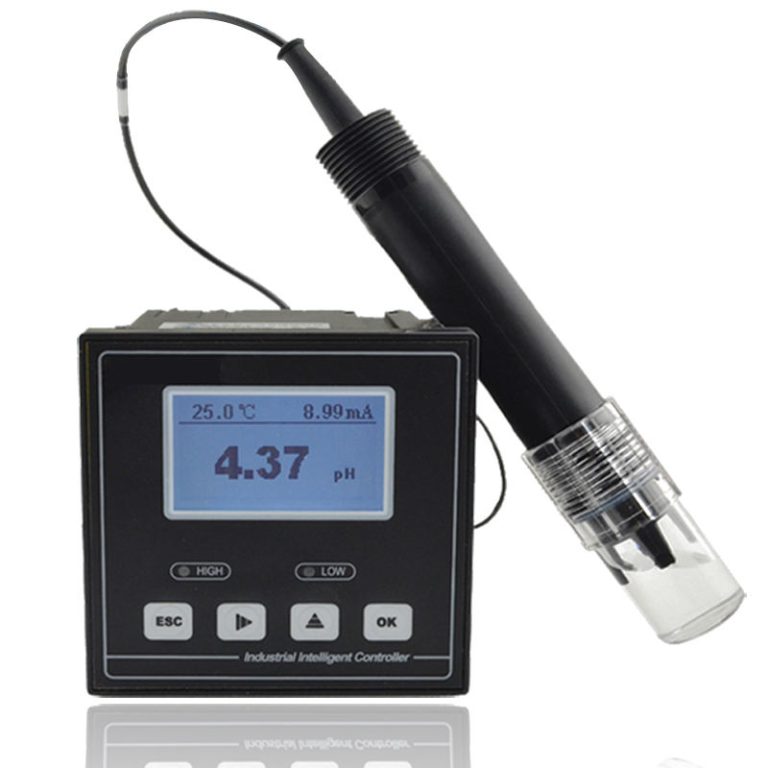
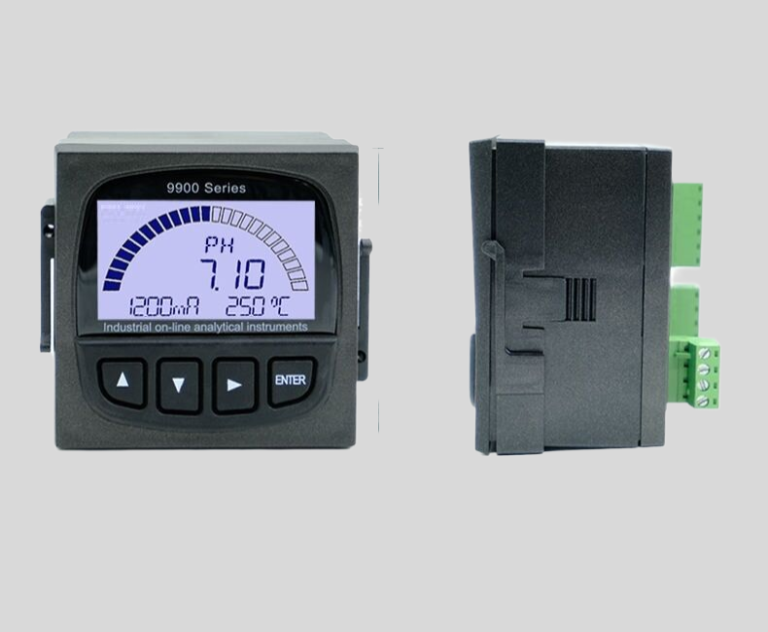
– Shanghai ChiMay water quality analyzers provide critical monitoring for optimizing membrane-based water reuse systems
– Energy consumption in optimized reuse systems has decreased to 1.7 kWh/m³, improving reuse economics
Introduction
Water scarcity has emerged as one of the defining challenges of the 21st century. Industrial facilities face unprecedented pressure to implement water reuse strategies—driven by escalating freshwater costs, tightening discharge regulations, and corporate sustainability commitments. Advanced membrane systems have become the technology of choice for achieving high-recovery, high-quality water reuse.
This comprehensive guide examines membrane-based water reuse from technical, economic, and operational perspectives, providing the foundation for successful implementation.
Water Reuse Fundamentals
Why Water Reuse Matters
Global Context:
– 2.1 billion people lack access to safely managed drinking water
– 4 billion people experience severe water scarcity at least one month annually
– Industrial water demand growing 3-4% annually
– 65% of world’s population projected to face water stress by 2025
Industrial Drivers:
– Freshwater costs increasing 8-12% annually in water-stressed regions
– Discharge permit limits tightening across regulatory jurisdictions
– Corporate sustainability reporting requiring water footprint reduction
– Supply chain requirements increasingly mandating environmental performance
Reuse Quality Requirements
Water reuse applications require different quality levels:
| Reuse Application | Turbidity | Conductivity | TOC | Microbiological |
|---|---|---|---|---|
| Toilet flushing | <5 NTU | – | – | <1 CFU/mL |
| Landscape irrigation | <2 NTU | <3,000 μS/cm | <30 mg/L | <1 CFU/mL |
| Cooling towers | <5 NTU | <2,500 μS/cm | <10 mg/L | – |
| Process water | <1 NTU | <500 μS/cm | <5 mg/L | 0 |
| Boiler feedwater | <0.1 NTU | <100 μS/cm | <0.5 mg/L | 0 |
Membrane Technology for Water Reuse
Treatment Train Design
Effective water reuse typically requires sequential treatment technologies:
Primary Treatment:
– Screening and grit removal
– Oil/water separation
– Primary sedimentation
Secondary Treatment:
– Biological treatment (MBR, activated sludge)
– Nutrient removal processes
– Residual suspended solids removal
Tertiary Treatment (Membrane):
– MF/UF for suspended solids and pathogen removal
– NF for organic matter and hardness control
– RO for maximum purification and dissolved solids removal
Membrane Technology Selection
| Application | Recommended Technology | Recovery | Quality |
|---|---|---|---|
| Non-potable reuse | MF/UF + Disinfection | 85-95% | Moderate |
| Cooling tower makeup | UF + NF | 75-85% | Good |
| Process water | UF + NF/RO | 70-80% | Excellent |
| Indirect potable | RO + Advanced Oxidation | 65-75% | Highest |
| Zero liquid discharge | RO + Evaporation | 90-98% | Maximum |
Membrane Bioreactor (MBR) Technology
System Configuration
MBR technology combines biological treatment with membrane separation:
Configurations:
– Submerged MBR: Membranes immersed directly in aeration tank
– Sidestream MBR: Membrane module in separate recirculation loop
– Hybrid systems: Combining submerged and sidestream elements
Performance Characteristics:
– Mixed liquor suspended solids: 8,000-15,000 mg/L
– Effluent turbidity: <1 NTU consistently
– Pathogen removal: >99.99% bacteria, >99.9% viruses
– Flux rates: 15-30 LMH for municipal, 10-20 LMH for industrial
MBR for Industrial Water Reuse
MBR technology offers particular advantages for industrial applications:
Strengths:
– High biomass concentration enables treatment of high-strength wastewaters
– Compact footprint (30-50% reduction vs. conventional activated sludge)
– Consistent effluent quality regardless of feedwater variations
– Effective for variable composition industrial streams
Considerations:
– Higher energy consumption than conventional biological treatment
– Membrane fouling requires careful management
– Biological process optimization requires expertise
– Pretreatment often required for industrial applications
Shanghai ChiMay Integration:
– Online Turbidity Testers monitor MBR effluent quality
– dissolved oxygen sensors optimize aeration energy consumption
– Multi-Parameter Sensors track MLSS, pH, and temperature
Reverse Osmosis for Water Reuse
RO System Design
RO membranes provide the highest quality treatment for water reuse:
Design Parameters:
– Operating pressure: 10-25 bar (brackish), 25-70 bar (seawater)
– Recovery rates: 70-85% typical, up to 90% with energy recovery
– Salt rejection: >98% for standard membranes, >99% for high-rejection
– Flux rates: 20-35 LMH for wastewater reuse
Wastewater Reuse Applications
RO treatment enables water reuse across demanding applications:
Cooling Tower Makeup:
– Removes scaling ions (Ca, Mg, silica)
– Eliminates microorganisms
– Reduces blowdown volumes 40-60%
– Extends equipment life
Process Water:
– Meets pharmaceutical water standards
– Suitable for food and beverage production
– Enables semiconductor manufacturing
– Supports laboratory operations
Agricultural Irrigation:
– Removes salts for crop safety
– Controls SAR (sodium adsorption ratio)
– Enables use of impaired water sources
– Supports high-value crop production
RO Performance Monitoring
Shanghai ChiMay Conductivity Meters provide critical monitoring data:
- Feed conductivity: Tracks ionic loading for recovery optimization
- Permeate conductivity: Verifies product water quality
- Concentrate conductivity: Optimizes recovery and detects scaling
- Rejection calculation: Confirms membrane integrity
Nanofiltration for Selective Reuse
NF Advantages
Nanofiltration offers selective separation for specific reuse applications:
Selective Ion Removal:
– >90% hardness (Ca, Mg) removal
– >95% sulfate removal
– 20-50% monovalent ion passage
– Organic matter rejection >90%
Economic Advantages:
– Operating pressure 50-70% lower than RO
– Energy consumption 40-60% lower than RO
– Higher recovery rates achievable
– Reduced concentrate volumes
NF Reuse Applications
Water Softening Reuse:
– Selective hardness removal without complete demineralization
– Retained calcium/magnesium beneficial for certain uses
– Reduced scaling in distribution systems
– 60-80% chemical savings vs. ion exchange softening
Color and Organic Removal:
– Effective natural organic matter (NOM) removal
– Color reduction >90%
– Precursor removal for disinfection byproducts
– Improved water quality for aesthetic applications
System Integration and Optimization
Pretreatment Requirements
Effective pretreatment protects membrane systems:
Filtration:
– Media filtration: 50-100 μm removal
– Cartridge filtration: 5-20 μm final protection
– Automatic backwash systems for continuous operation
Chemical Conditioning:
– Scale inhibitors prevent mineral precipitation
– Flocculants remove colloidal materials
– Biocides control biological growth
– pH adjustment optimizes treatment
Shanghai ChiMay Monitoring:
– Online Turbidity Testers verify pretreatment effectiveness
– Conductivity Meters track scaling potential
– Residual Chlorine Transmitters verify biocide dosing
Process Optimization
Real-time monitoring enables optimization:
| Parameter | Target | Adjustment |
|---|---|---|
| Influent turbidity | <1 NTU | Filter backwash timing |
| Recovery rate | 75-85% | Optimize concentrate bleed |
| Salt passage | <5% | Verify membrane integrity |
| Differential pressure | <15% increase | Schedule cleaning |
Data-Driven Optimization:
– Continuous monitoring identifies optimization opportunities
– Trend analysis predicts cleaning requirements
– Statistical process control maintains quality
– Automated systems respond in real-time
Economic Analysis
Cost Comparison
Water reuse economics vary by application and water source:
| Reuse Approach | Capital Cost | Energy Cost | Chemical Cost | Annual TOC (500 m³/day) |
|---|---|---|---|---|
| Conventional treatment + discharge | $300,000 | $25,000 | $15,000 | $130,000 |
| MBR for non-potable reuse | $500,000 | $45,000 | $20,000 | $165,000 |
| MF/UF + RO for process reuse | $750,000 | $65,000 | $30,000 | $205,000 |
| Full advanced treatment | $1,200,000 | $85,000 | $35,000 | $285,000 |
Return on Investment
Water reuse investments deliver returns through multiple channels:
Cost Avoidance:
– Freshwater purchase reduction: $40,000-80,000/year
– Discharge cost reduction: $20,000-40,000/year
– Waste treatment cost reduction: $15,000-30,000/year
Revenue Generation:
– Water sales to adjacent facilities
– Reduced regulatory compliance costs
– Sustainability certification value
– Supply chain preference benefits
Typical ROI:
– Payback period: 2-4 years for industrial facilities
– Internal rate of return: 25-40%
– Net present value (10-year): $300,000-600,000
Case Studies
Petrochemical Facility
Application: Refinery process water reuse
Treatment Train: API separator → MBR → UF → RO
Recovery Rate: 82%
Product Quality: Process water for boiler feed
Annual Savings: $890,000 (freshwater + discharge)
Food and Beverage Plant
Application: Bottling plant water reuse
Treatment Train: Screen → DAF → MBR → RO
Recovery Rate: 78%
Product Quality: Bottle rinsing and process water
Annual Savings: $340,000 (water + energy)
Semiconductor Manufacturing
Application: Ultrapure water from wastewater
Treatment Train: Pretreatment → RO → EDI → Polishing
Recovery Rate: 72%
Product Quality: 18 MΩ·cm ultrapure water
Annual Savings: $1.2 million (freshwater + treatment)
Regulatory Compliance
Discharge Standards
Membrane-based water reuse enables compliance with tightening regulations:
| Pollutant | Current Typical Limit | Trend | Membrane Capability |
|---|---|---|---|
| TSS | 10-30 mg/L | Decreasing | <1 mg/L |
| COD | 50-100 mg/L | Decreasing | <10 mg/L |
| Ammonia | 5-20 mg/L | Decreasing | <1 mg/L |
| Total nitrogen | 10-30 mg/L | Decreasing | <5 mg/L |
| Phosphorus | 1-5 mg/L | Decreasing | <0.1 mg/L |
| Trace organics | Emerging | New limits | <0.1 μg/L |
Water Reuse Guidelines
Non-Potable Reuse:
– Title 22 (California): Comprehensive water reuse criteria
– EPA Guidelines: Risk-based approach to water reuse
– WHO Guidelines: Health-based reuse recommendations
Indirect Potable Reuse:
– Groundwater recharge: State-specific requirements
– Surface water augmentation: DPR framework
– Managed aquifer recharge: Barrier requirements
Best Practices for Implementation
Planning Phase
- Water audit: Characterize all water streams
- Quality requirements: Define reuse application needs
- Technology selection: Match membrane technology to requirements
- Economic analysis: Calculate ROI and payback
- Regulatory review: Confirm compliance pathway
Design Phase
- Pilot testing: Validate technology under actual conditions
- Process design: Size equipment for optimal operation
- Instrumentation: Specify appropriate monitoring
- Control systems: Design automation for optimization
- Maintenance planning: Establish operational procedures
Implementation Phase
- Construction: Quality construction practices
- Startup: Systematic commissioning
- Optimization: Fine-tune for maximum efficiency
- Training: Comprehensive operator preparation
- Documentation: Complete operating procedures
Future Outlook
Market Trends
The water reuse market continues expanding:
- Industrial reuse: Growing 12-15% annually
- Municipal reuse: Expanding 8-10% annually
- Indirect potable: Emerging regulatory frameworks
- Desalination reuse: Hybrid approaches increasing
Technology Evolution
Membrane Advances:
– COF membranes achieving 99.91% salt rejection
– MOF mixed-matrix composites improving selectivity
– Ceramic membranes expanding application range
– AI-enabled optimization reducing energy consumption 15%
System Integration:
– Digital twins simulating full-scale performance
– IoT sensors enabling real-time optimization
– Automated cleaning reducing operator intervention
– Modular systems enabling incremental expansion
Conclusion
Water reuse through advanced membrane systems represents the most effective approach for achieving sustainable industrial water management. MBR technology, reverse osmosis, and nanofiltration—properly designed and operated—can achieve water recovery rates of 85-95% while meeting stringent quality requirements for demanding applications.
Shanghai ChiMay online water quality analyzers provide the monitoring foundation essential for successful membrane-based water reuse. Real-time turbidity, conductivity, and multi-parameter data enable process optimization, predictive maintenance, and maximum return on water reuse investments.
As the global membrane market expands toward $26.7 billion in 2026, facilities implementing advanced water reuse technologies position themselves for competitive advantage in an increasingly water-constrained world.