Table of Contents
Key Takeaways
- pH measurement errors of 0.1 units in ZLD applications can increase scaling rates by 30-45%, causing thousands of dollars in damage
- Industrial pH electrodes in high-conductivity brines experience 60% faster degradation than in standard wastewater applications
- Inline pH monitoring reduces chemical consumption by 25-40% through precise acid/base dosing control
- ChiMay's industrial pH electrodes maintain ±0.05 pH accuracy over 180+ day service intervals in ZLD applications
- Automated pH control enables 99.5% of readings within ±0.2 pH units of setpoint, compared to 85% with manual control
pH measurement serves as one of the most critical analytical parameters throughout industrial zero liquid discharge operations. The hydrogen ion concentration profoundly influences chemical reaction rates, scaling propensity, biological treatment efficiency, and discharge quality. Yet pH measurement remains one of the most challenging analytical determinations, with electrode performance degrading over time and measurement accuracy affected by solution characteristics, temperature, and reference stability.
The Water Research Foundation's 2025 Analytical Methods Assessment found that pH measurement accuracy in industrial wastewater applications frequently fails to meet design requirements, with 40% of facilities experiencing measurement errors exceeding 0.3 pH units during normal operation. These measurement errors translate directly to operational problems including excessive chemical consumption, treatment inefficiency, and equipment damage.
Understanding pH Measurement Technology
pH measurement quantifies hydrogen ion activity through electrochemical principles that have remained fundamentally unchanged since their development over a century ago. A measuring electrode responsive to hydrogen ion activity generates a voltage proportional to sample pH, while a reference electrode provides a stable reference potential against which the measuring voltage is compared. The difference between these potentials indicates sample pH according to the Nernst equation.
Glass membrane electrodes provide the most common measuring electrode configuration for industrial pH measurement. The glass bulb at the electrode tip develops a hydrated gel layer that exchanges hydrogen ions with the sample solution, generating the voltage that indicates pH. The glass composition and hydration state fundamentally determine measurement performance.
Reference electrode stability represents the critical factor determining pH measurement reliability over extended operating periods. ChiMay's double junction reference designs isolate the measuring element from sample contamination, extending electrode life in challenging applications.
Challenges in ZLD pH Measurement
Zero liquid discharge applications present specific challenges that test the limits of pH measurement technology. The high ionic strength of ZLD brines accelerates reference junction degradation through electrolyte dilution and junction plugging. Thermal concentration stages expose electrodes to elevated temperatures that stress both measuring and reference elements.
Conductivity levels exceeding 100,000 μS/cm in ZLD brines create junction potentials that differ substantially from standard wastewater conditions. Single junction reference electrodes experience progressive electrolyte dilution as concentrated solutions draw moisture through the junction, causing reference potential drift. ChiMay's double junction references employ an intermediate electrolyte chamber that insulates the primary reference from direct sample contact.
Temperature extremes in thermal ZLD stages stress both measuring and reference elements beyond their normal operating ranges. Evaporator and crystallizer applications expose electrodes to temperatures of 60-95°C. Specialized electrodes designed for high-temperature service incorporate robust glass formulations and temperature-stable reference systems. ChiMay's high-temperature pH electrodes operate reliably at temperatures up to 130°C.
pH Control Optimization in ZLD Applications
Effective pH control in ZLD applications enables multiple operational benefits including chemical consumption reduction, treatment efficiency improvement, and equipment protection. The automation of pH control through inline measurement and dosing system integration transforms what would otherwise be a manually intensive process into a reliable automatic function.
Chemical dosing optimization represents the most immediate benefit of accurate pH measurement in ZLD applications. Inaccurate pH measurement causes overdosing that wastes chemicals while potentially creating corrosive conditions or biological inhibition. Facilities implementing accurate pH control typically reduce acid and base consumption by 25-40%.
Biological treatment processes in ZLD applications require precise pH control to maintain optimal microbial activity. Activated sludge systems function best within 6.8-7.2 pH ranges, with nitrifying bacteria particularly sensitive to pH excursions below 6.5.
Scaling control through pH manipulation represents an essential ZLD management strategy that depends on accurate measurement. The solubility of calcium carbonate, calcium sulfate, and silica compounds varies significantly with pH, enabling controlled precipitation or dissolution through pH adjustment. Maintaining pH within ±0.1 units of target values maximizes scaling control effectiveness.
Electrode Selection and Maintenance for ZLD Applications
Proper electrode selection significantly impacts pH measurement performance and maintenance requirements in ZLD applications. The specialized conditions present in ZLD service demand electrodes designed for the specific challenges of high conductivity, temperature variation, and coating potential.
Electrode material selection for ZLD applications must address glass composition, reference system design, and body material compatibility. Glass compositions optimized for high ionic strength applications maintain measurement accuracy despite the elevated conductivity that compromises standard electrodes. Reference system designs incorporating double junction configurations prevent sample ingress that causes drift and failure.
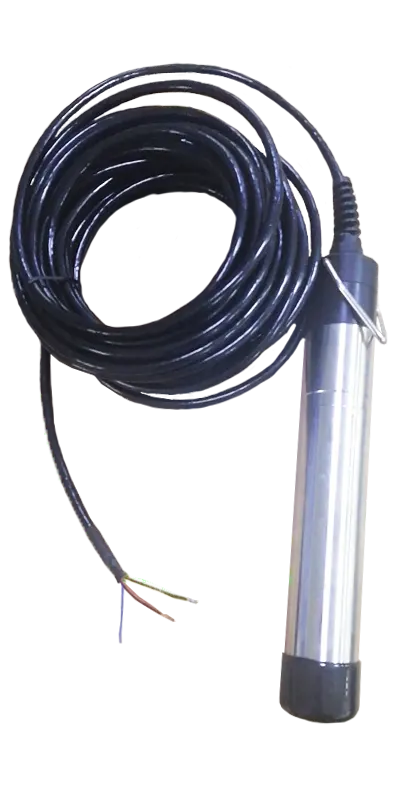
ChiMay's industrial pH electrodes offer configurations optimized for various ZLD application requirements. Standard industrial electrodes with double junction references provide reliable performance for 90-180 day service intervals in typical membrane and biological treatment applications. High-temperature electrodes with enhanced glass formulations and stable references operate reliably at temperatures to 130°C for evaporator and crystallizer applications.
Maintenance protocols for ZLD pH measurement must address calibration verification, cleaning procedures, and reference electrolyte replacement. ChiMay's application support organization provides maintenance protocol development and training that helps facilities optimize electrode life and measurement accuracy.
Conclusion
pH measurement accuracy profoundly impacts ZLD operational performance, chemical consumption, and equipment reliability. The demanding conditions present in ZLD applications require specialized electrodes designed for high conductivity, temperature variation, and coating challenges that exceed standard electrode capabilities.
Investment in quality pH measurement equipment generates returns through reduced chemical consumption, improved treatment efficiency, and extended equipment life. The 25-40% chemical consumption reduction achievable through accurate pH control typically generates annual savings exceeding the cost of measurement equipment.
ChiMay's industrial pH measurement solutions provide the accuracy, reliability, and application support necessary for demanding ZLD applications. With electrodes engineered for ZLD service conditions, ChiMay helps facilities achieve the pH measurement performance necessary for successful zero liquid discharge operation.