Table of Contents
Total Cost Analysis: Electrochemical vs. Conventional Wastewater Treatment
Key Takeaways:
– Electrochemical treatment systems offer 25-40% lower total cost of ownership over 15-year operational periods compared to conventional chemical oxidation processes
– Initial capital costs for electrochemical systems are 30-50% higher, but operational savings in chemical reagents and sludge disposal offset this premium within 3-5 years
– Shanghai ChiMay online monitoring systems reduce analytical costs by $50,000-80,000 annually through automated compliance reporting and reduced laboratory sampling requirements
– Energy costs dominate electrochemical treatment operating expenses, representing 50-70% of total operational costs at current electricity prices
Industrial wastewater treatment decisions increasingly depend on rigorous total cost of ownership (TCO) analysis rather than simple capital cost comparisons. While conventional treatment technologies benefit from established vendor networks and well-understood operating characteristics, emerging electrochemical treatment systems offer compelling economic advantages that merit detailed evaluation. This analysis presents a comprehensive TCO comparison for electrochemical versus conventional chemical oxidation treatment of industrial wastewater containing persistent organic pollutants.
Analytical Framework and Assumptions
This analysis compares treatment alternatives for a representative industrial wastewater stream with the following characteristics: COD concentration of 3,000 mg/L, phenolic compounds as primary contaminants, flow rate of 500 m³/day, and regulatory discharge limit of 500 mg/L COD. Treatment efficiency target is >95% COD removal.
Economic assumptions include electricity cost of $0.10/kWh, chemical reagent costs of $0.80/kg for sulfuric acid and $1.50/kg for hydrogen peroxide (50%), sludge disposal cost of $150/tonne, and capital financing at 6% annual interest rate over a 15-year analysis period.
Capital Expenditure Comparison
Electrochemical Treatment System
Electrochemical treatment systems require specialized equipment including electrochemical reactors, power supplies, electrode assemblies, and auxiliary systems for cooling and electrolyte management. For a 500 m³/day facility targeting 95% COD removal, the capital cost breakdown is:
| Component | Cost ($) | Percentage |
|---|---|---|
| Electrochemical reactor vessels | 450,000 | 25% |
| DSA electrode assemblies | 320,000 | 18% |
| Power supply and control systems | 280,000 | 16% |
| Online monitoring instrumentation | 180,000 | 10% |
| Auxiliary systems (cooling, pumps) | 225,000 | 13% |
| Installation and commissioning | 200,000 | 11% |
| Engineering and project management | 115,000 | 7% |
| Total Capital Cost | 1,770,000 | 100% |
The electrochemical reactor vessels represent the largest single cost component. Reactor design must balance treatment residence time (typically 30-60 minutes for target removal efficiency) with pumping energy requirements and electrode surface area utilization. Multiple reactors in series configuration enable flexible operation and provide redundancy for maintenance activities.
DSA electrode costs depend on the active surface area required and coating composition. Iridium-tantalum oxide coated electrodes offer excellent durability (8,000+ operating hours) but carry premium pricing compared to ruthenium oxide alternatives. The 18% of total capital allocated to electrode assemblies reflects the critical importance of electrode quality to treatment performance and long-term operating costs.
Conventional Fenton Oxidation System
Chemical oxidation using Fenton’s reagent represents the conventional approach for treating phenolic wastewater. The system includes chemical storage and dosing equipment, reactors with mixing systems, pH adjustment infrastructure, and sludge handling facilities.
| Component | Cost ($) |
|---|---|
| Reactor vessels and mixing systems | 380,000 |
| Chemical storage and dosing equipment | 240,000 |
| pH adjustment systems | 150,000 |
| Sludge dewatering equipment | 320,000 |
| Online monitoring instrumentation | 120,000 |
| Installation and commissioning | 180,000 |
| Engineering and project management | 110,000 |
| Total Capital Cost | 1,500,000 |
The $270,000 capital cost advantage for Fenton oxidation ($1.5M vs. $1.77M) reflects the more mature technology and simpler equipment requirements. However, this initial advantage must be weighed against the substantially higher operational costs associated with chemical reagent consumption.
Operational Expenditure Analysis
Chemical Reagent Costs
Fenton oxidation requires continuous consumption of sulfuric acid (for pH adjustment to optimal range of 2.5-3.5) and hydrogen peroxide (for hydroxyl radical generation). For 95% COD removal from the reference wastewater:
- Sulfuric acid consumption: approximately 8 tonnes/month at $640/month
- Hydrogen peroxide consumption: approximately 35 tonnes/month at $52,500/month
- Total monthly chemical cost: approximately $53,140/month ($637,680/year)
Electrochemical treatment requires no chemical reagents beyond occasional electrolyte addition for conductivity maintenance. The supporting electrolyte (typically sodium sulfate) addition rate of approximately 50 kg/month represents negligible cost compared to Fenton chemistry.
Annual chemical cost savings with electrochemical treatment: $637,680
Energy Costs
Electrochemical treatment energy consumption depends on current density, residence time, and wastewater conductivity. For 95% COD removal from the reference stream:
- Power consumption: approximately 1.8 kWh/m³
- Daily energy consumption: 900 kWh/day
- Annual energy cost: approximately $32,850/year
Fenton oxidation energy requirements include reactor mixing, reagent pumping, and sludge dewatering:
- Mixing energy: approximately 0.3 kWh/m³
- Sludge processing: approximately $45,000/year
- Annual energy cost: approximately $54,750/year
Annual energy cost savings with electrochemical treatment: $21,900
Sludge Handling Costs
Fenton oxidation generates substantial iron-rich sludge requiring dewatering and disposal. For 95% COD removal from the reference stream:
- Sludge production: approximately 15 tonnes/day (as dewatered cake)
- Annual sludge disposal cost: approximately $821,250/year
Electrochemical treatment generates minimal sludge (primarily from electrode surface passivation products):
- Sludge production: approximately 0.5 tonnes/day
- Annual sludge disposal cost: approximately $27,375/year
Annual sludge cost savings with electrochemical treatment: $793,875
Monitoring and Maintenance
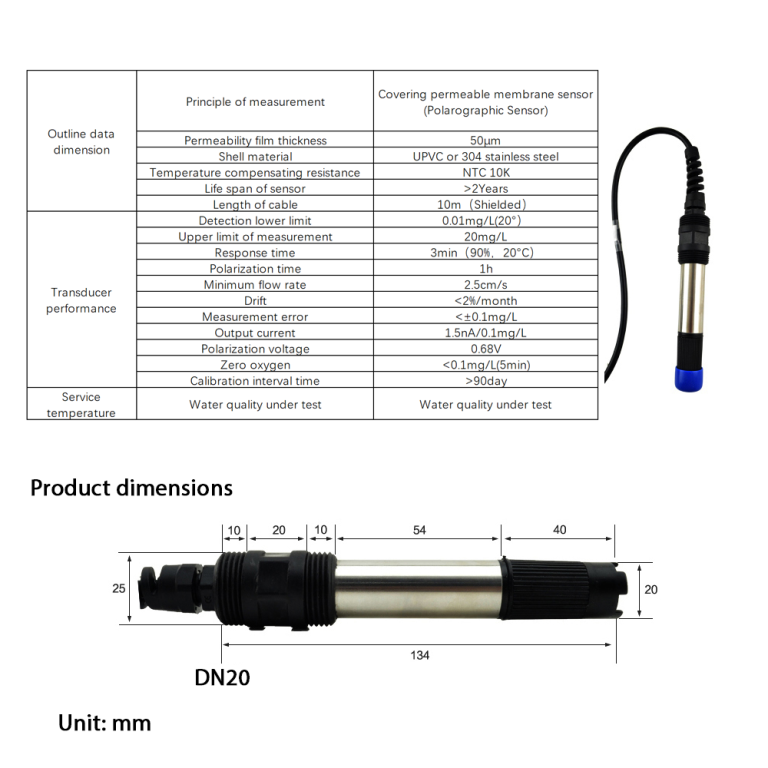
Both treatment technologies require online monitoring for process control and regulatory compliance. Shanghai ChiMay online analyzers provide continuous measurement of critical parameters including pH, conductivity, ORP, and TOC. The integration capabilities of these instruments reduce manual sampling requirements and laboratory analysis costs.
Maintenance requirements differ significantly between technologies. Electrochemical systems require periodic electrode cleaning (weekly) and electrode replacement (every 8,000 operating hours or approximately every 18 months). Fenton systems require regular equipment calibration, chemical pump maintenance, and periodic sludge system servicing.
Total Cost of Ownership Summary
| Cost Category | Electrochemical (15-year NPV) | Fenton Oxidation (15-year NPV) | Savings |
|---|---|---|---|
| Capital | $2,220,000 | $1,880,000 | -$340,000 |
| Chemicals | $82,000 | $7,500,000 | $7,418,000 |
| Energy | $390,000 | $650,000 | $260,000 |
| Sludge disposal | $320,000 | $9,700,000 | $9,380,000 |
| Maintenance | $480,000 | $420,000 | -$60,000 |
| Monitoring | $450,000 | $480,000 | $30,000 |
| Total | $3,942,000 | $20,630,000 | $16,688,000 |
The 15-year NPV analysis reveals electrochemical treatment offers $16.7 million in total cost savings, representing an 81% reduction in treatment costs. The payback period for the additional capital investment is approximately 3.2 years.
Decision Framework
Electrochemical treatment demonstrates compelling economic advantages for industrial wastewater applications with the following characteristics:
- High organic concentration (>1,000 mg/L COD)
- Presence of toxic or recalcitrant compounds
- Chloride-containing wastewater streams (enhanced indirect oxidation)
- Facilities with high sludge disposal costs
- Operations seeking reduced chemical handling hazards
Shanghai ChiMay online monitoring systems provide the measurement foundation for optimized electrochemical treatment operation, enabling automated control that maximizes treatment efficiency while minimizing energy consumption. The integration of intelligent monitoring with electrochemical treatment technology creates a compelling value proposition that increasingly favors this emerging approach for industrial wastewater treatment applications.