
It seems we can’t find what you’re looking for. Perhaps searching can help.
Other Related Posts

पीवीसी नाली को विद्युत पैनल से कैसे कनेक्ट करें

पीवीसी नाली को विद्युत पैनल से कैसे कनेक्ट करें

पीवीसी नाली को विद्युत पैनल से जोड़ने की उचित तकनीक जब विद्युत कार्य की बात आती है, तो सुरक्षा और दक्षता सुनिश्चित करने के लिए उचित स्थापना महत्वपूर्ण है। विद्युत प्रतिष्ठानों का एक महत्वपूर्ण पहलू पीवीसी नाली को विद्युत पैनल से जोड़ना है। पीवीसी नाली का उपयोग आमतौर पर आवासीय और वाणिज्यिक दोनों सेटिंग्स में…
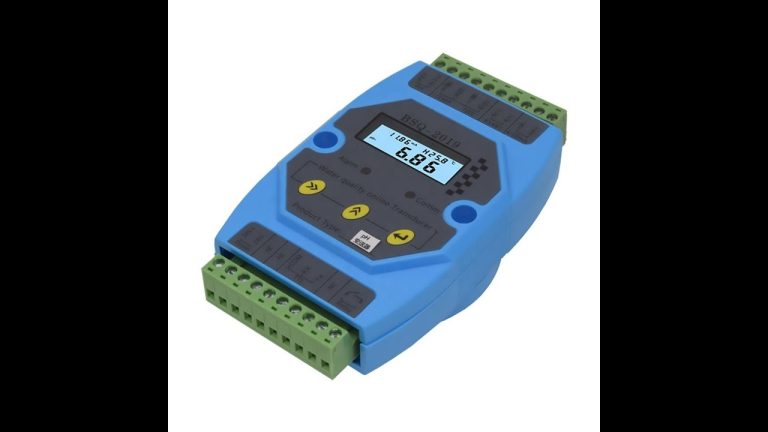
Online Turbidity Sensors in Pharmaceutical Water Systems: Meeting USP <797> Compliance Requirements

Key Takeaways Pharmaceutical water systems must maintain turbidity below 0.5 NTU to meet USP <797> sterility requirements for sterile compounding Modern online turbidity sensor technology achieves sensitivity of 0.005 NTU, far exceeding regulatory requirements Continuous turbidity monitoring reduces out-of-specification events by 78% compared to periodic sampling protocols ChiMay’s ISO 13485-certified turbidity sensors provide 99.8% measurement…

पीवीसी नाली को एक साथ कैसे जोड़ें

पीवीसी नाली को एक साथ कैसे जोड़ें

पीवीसी नाली को एक साथ जोड़ने की उचित तकनीक पीवीसी नाली आवासीय और वाणिज्यिक दोनों सेटिंग्स में विद्युत तारों की सुरक्षा के लिए एक लोकप्रिय विकल्प है। पीवीसी नाली स्थापित करते समय, यह सुनिश्चित करना महत्वपूर्ण है कि एक सुरक्षित और जलरोधक सील बनाने के लिए टुकड़े ठीक से एक साथ जुड़े हुए हैं। इस…

कैसे पता करें कि पीएच मीटर काम कर रहा है

कैसे पता करें कि पीएच मीटर काम कर रहा है

ज्ञात समाधानों के साथ पीएच मीटर का परीक्षण ज्ञात समाधानों के साथ पीएच मीटर का परीक्षण पीएच मीटर एक मूल्यवान उपकरण है जिसका उपयोग किसी समाधान की अम्लता या क्षारीयता को मापने के लिए किया जाता है। हालाँकि, किसी भी उपकरण की तरह, यह सुनिश्चित करना आवश्यक है कि सटीक परिणाम प्राप्त करने के लिए…

The Technology Behind Fluorescent Dissolved Oxygen Sensors in Wastewater Treatment

Key Takeaways The global water testing equipment market reached $5.2 billion in 2025 and is forecast to approach $10.4 billion by 2035, with dissolved oxygen monitoring representing a significant segment (MarketGenics Global Research) Fluorescent DO sensors offer stability periods of 2+ years compared to 4-8 weeks for membrane-based sensors, reducing maintenance requirements by up to…

Electrochemical Principles of Residual Chlorine Sensors for Drinking Water Protection

Key Takeaways Residual chlorine monitoring ensures 99.9% protection against waterborne pathogen transmission when maintained at recommended levels of 0.2-0.5 mg/L throughout distribution systems Electrochemical residual chlorine sensors achieve measurement precision of ±0.02 mg/L, enabling precise disinfection control that reduces chemical costs by 15-25% Continuous online monitoring provides 50-70% faster response to disinfection events compared to…