# How to Maintain Your Water Treatment System for Maximum Efficiency
## Key Takeaways
– Regular maintenance can improve water treatment system efficiency by **up to 30%**
– Preventive maintenance programs reduce unexpected downtime by **60%** and extend equipment life by **40%**
– Water quality monitoring sensors require calibration every **3-6 months** for optimal accuracy
– ChiMay’s comprehensive sensor portfolio and maintenance support help facilities achieve peak system performance
—
## Introduction
Water treatment systems represent significant capital investments for industrial facilities, municipal water utilities, and commercial operations. Whether treating water for manufacturing processes, boiler systems, cooling towers, or wastewater discharge, maintaining peak system efficiency is essential for controlling operational costs, meeting regulatory requirements, and protecting equipment investments.
According to the **U.S. Department of Energy (DOE)**, proper water treatment system maintenance can:
– Reduce energy consumption by **15-25%**
– Extend equipment lifespan by **up to 40%**
– Decrease chemical consumption by **20-30%**
– Minimize unplanned downtime by **60%**
This comprehensive guide provides practical maintenance strategies for maximizing water treatment system efficiency, covering pretreatment systems, filtration equipment, chemical treatment programs, and the critical role of continuous water quality monitoring.
—
## Understanding Water Treatment System Components
### Typical System Architecture
A complete water treatment system includes multiple process stages:
**1. Pretreatment**
– Strainers and filters (particle removal)
– Softening systems (scale prevention)
– Activated carbon filters (chlorine removal, organic reduction)
– Media filters (sand, multimedia)
**2. Primary Treatment**
– Reverse osmosis (RO) systems
– Deionization (DI) units
– Electrodeionization (EDI)
– Nanofiltration systems
**3. Post-Treatment**
– UV sterilizers (disinfection)
– Chemical injection systems
– pH adjustment systems
– Final filtration (polishing)
**4. Monitoring and Control**
– Water quality sensors
– Flow meters
– Pressure transmitters
– Control valves and actuators
Each component requires specific maintenance attention to ensure optimal system performance.
—
## Pretreatment System Maintenance
### Strainer and Filter Maintenance
**Strainer Maintenance Schedule**
| Task | Frequency | Expected Duration |
|——|———–|——————|
| Visual inspection | Weekly | 10 minutes |
| Basket cleaning | Monthly | 30 minutes |
| Complete inspection | Quarterly | 1 hour |
| Basket replacement | Annually | 1 hour |
**Best Practices**:
– Monitor differential pressure across strainers
– Clean baskets before pressure drop exceeds **10 psi**
– Inspect basket mesh for damage or wear
– Replace gaskets during basket replacement
**Signs of Maintenance Needs**:
– Increased differential pressure
– Visible debris in strainer basket
– Unusual noise or vibration
– Reduced flow to treatment equipment
### Media Filter Maintenance
Media filters require periodic backwashing and media replacement:
**Backwash Guidelines**:
– Backwash when differential pressure increases by **5-8 psi**
– Typical frequency: **every 1-3 days** (application dependent)
– Backwash duration: **5-10 minutes**
– Verify proper backwash flow rate per manufacturer specifications
**Media Replacement Schedule**:
| Filter Type | Typical Media Life | Replacement Frequency |
|————-|——————-|———————|
| Sand filters | 3-5 years | When headloss cannot be resolved |
| Multimedia | 5-8 years | When treatment quality degrades |
| Activated carbon | 1-2 years | When chlorine removal fails |
| Greensand | 3-5 years | When oxidation capacity depletes |
### Water Softener Maintenance
Water softeners require regular regeneration and periodic inspection:
**Regeneration Optimization**:
– Set regeneration frequency based on water hardness and usage
– Monitor salt consumption (typical: **3-5 lbs per 1,000 grains** removed)
– Adjust brine fill time based on salt type and softness
– Verify resin bed expansion during backwash cycle
**Resin Inspection**:
– Annual resin level check (settling occurs over time)
– Sample resin for fouling indicators (iron, organic, chlorine)
– Consider resin cleaning if fouling is detected
– Replace resin every **8-10 years** or when softening efficiency drops
—
## Reverse Osmosis System Maintenance
### Membrane Care Fundamentals
Reverse osmosis membranes are sensitive to fouling and degradation:
**Common Fouling Types**:
| Fouling Type | Cause | Prevention |
|————–|——-|————|
| Scaling | Calcium carbonate, sulfate | Scale inhibitors, antiscalant dosing |
| Colloidal fouling | Suspended particles | Prefiltration, coagulation |
| Organic fouling | Natural organic matter |活性炭预处理, biocides |
| Biofouling | Microbial growth | Sanitization, biocide treatment |
**Membrane Cleaning Guidelines**:
Cleaning should be performed when:
– Normalized permeate flow decreases by **10-15%**
– Normalized salt passage increases by **10-15%**
– Differential pressure increases by **10-15%**
**Cleaning Procedure Overview**:
1. **Low-pH Clean** (for scaling):
– pH 2.0-4.0 using citric or hydrochloric acid
– Temperature: **35-40°C**
– Soak time: **60-120 minutes**
– Follow with permeate rinse
2. **High-pH Clean** (for organic/bio fouling):
– pH 10.0-12.0 using sodium hydroxide
– Temperature: **35-40°C**
– Soak time: **60-120 minutes**
– Follow with permeate rinse
**Cleaning Frequency**:
– Well water: **Every 3-6 months**
– Surface water: **Every 1-3 months**
– Municipal water: **Every 6-12 months**
### RO System Monitoring Parameters
| Parameter | Normal Range | Action Required |
|———–|————-|—————–|
| Normalized permeate flow | Baseline ±15% | Cleaning recommended |
| Normalized salt passage | Baseline +15% | Cleaning or membrane analysis |
| Differential pressure | Baseline +15% | Cleaning recommended |
| Feed pressure | Baseline ±10% | System check |
—
## Water Quality Monitoring System Maintenance
### Sensor Calibration Schedule
Accurate water quality monitoring depends on regular calibration:
**Recommended Calibration Frequency**:
| Sensor Type | Calibration Interval | Full Service Interval |
|————-|——————–|———————–|
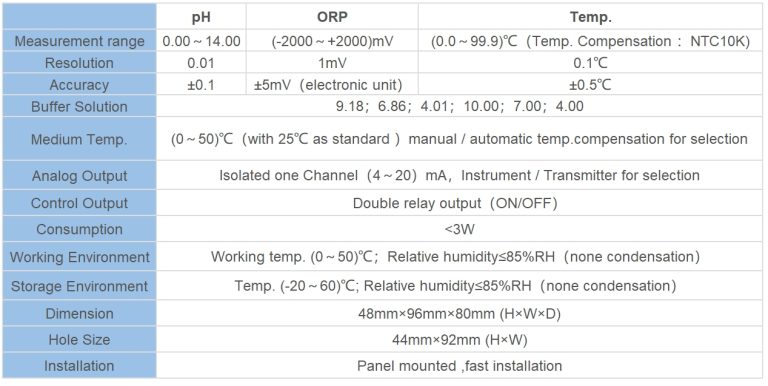
| pH | **2-4 weeks** | 6-12 months |
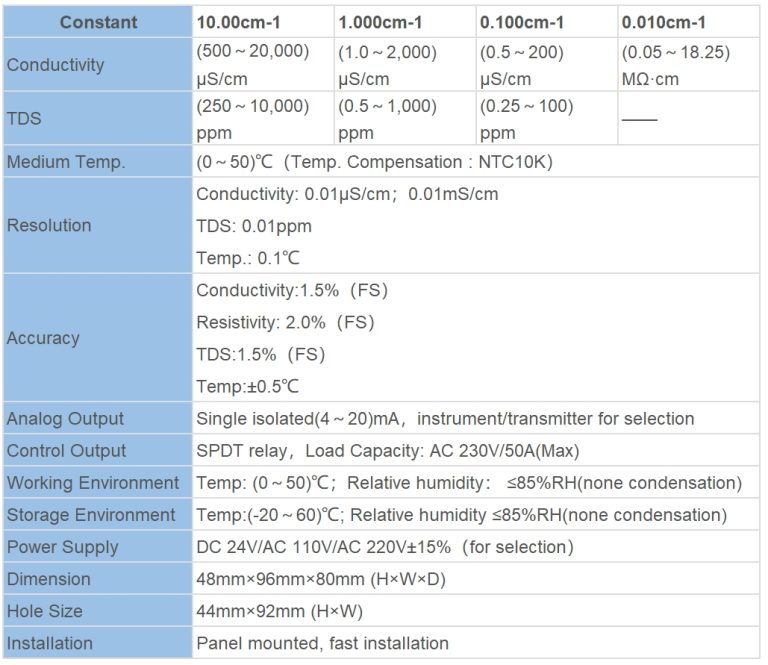
| Conductivity | **1-3 months** | 6-12 months |
| Dissolved oxygen | **1-3 months** | 6-12 months |
| Chlorine | **2-4 weeks** | 6-12 months |
| Turbidity | **1-3 months** | 12 months |
| ORP | **1-3 months** | 6-12 months |
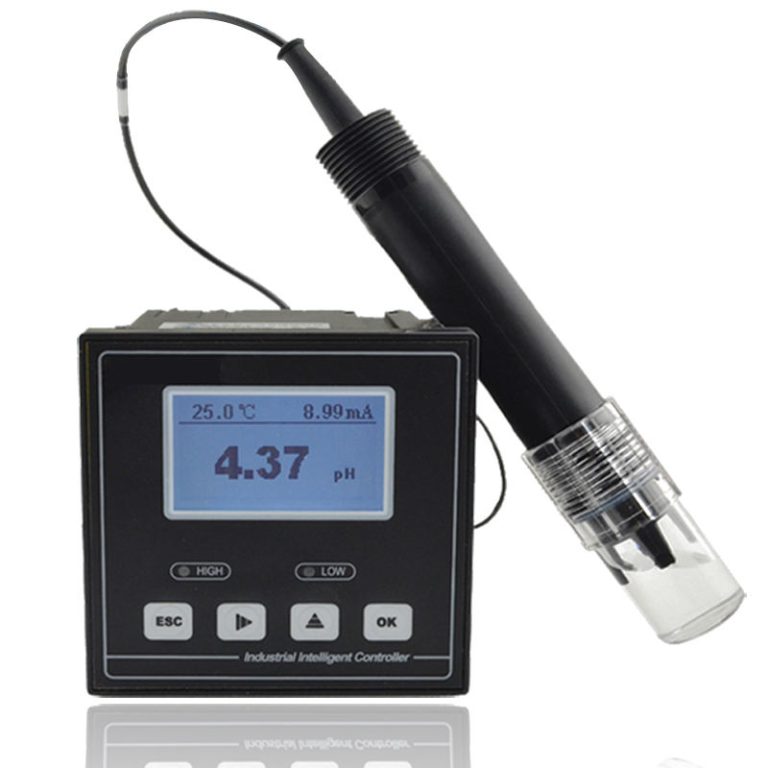
### ph sensor Maintenance
**Daily Checks**:
– Verify sensor output matches expected range
– Check for visible contamination or deposits
– Confirm reference junction is moist
**Weekly Maintenance**:
– Rinse sensor with deionized water
– Inspect cable and connector condition
– Verify transmitter display accuracy
**Monthly Calibration**:
– Two-point calibration using NIST-traceable buffers
– Allow sensor to stabilize between buffer changes
– Record calibration data for compliance documentation
**Service Procedures**:
– Clean glass membrane with appropriate solution
– Replace reference electrolyte per manufacturer schedule
– Replace sensor when drift exceeds **0.1 pH/week**
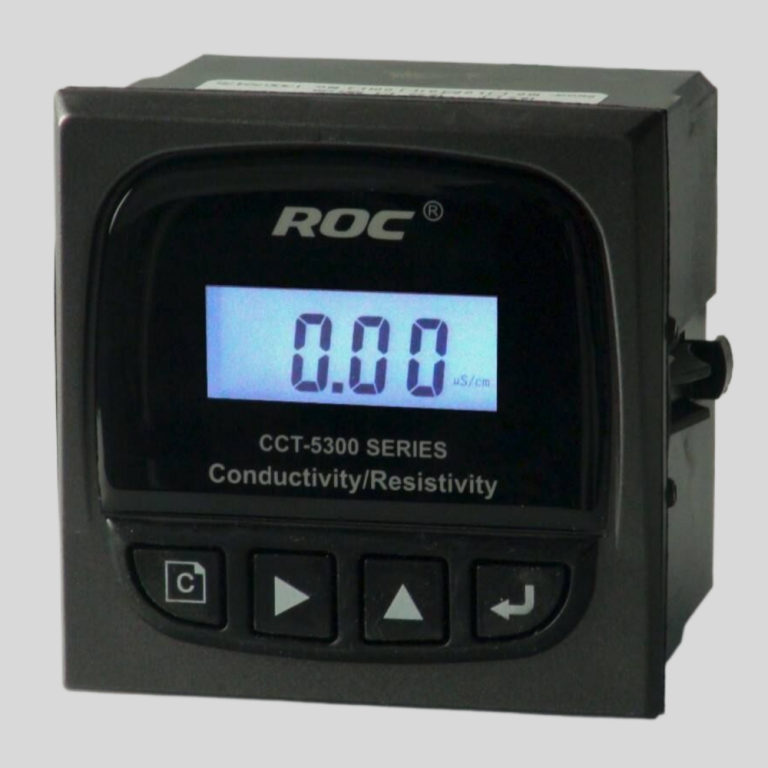
### Conductivity Sensor Maintenance
**Maintenance Tasks**:
– **Weekly**: Visual inspection, wipe cell surfaces
– **Monthly**: Cleaning with recommended solution
– **Quarterly**: Full calibration verification
– **Annually**: Electrode inspection and replacement
**Cleaning Procedures**:
– Remove accumulated deposits with soft brush
– Soak in mild acid solution (0.1N HCl) for stubborn deposits
– Rinse thoroughly with deionized water
– Never use abrasive materials on electrode surfaces
### dissolved oxygen sensor Maintenance
**Membrane Replacement**:
– Replace membrane every **6-12 months** (more frequently in harsh conditions)
– Follow manufacturer procedures for proper installation
– Verify electrolyte level after membrane replacement
– Calibrate after membrane service
**Service Indicators**:
– Response time increases
– Baseline drift at zero oxygen
– Physical damage to membrane
– Calibration failure
—
## Chemical Treatment Program Maintenance
### Scale Prevention
**Scale Inhibitor Dosing**:
– Maintain inhibitor concentration per manufacturer recommendations
– Typically **2-5 mg/L** depending on application
– Use approved scale inhibitors compatible with system materials
**Scale Monitoring**:
– Monitor scaling indicators (conductivity, SI index)
– Track cycles of concentration in cooling systems
– Inspect heat exchangers for scale accumulation
– Analyze feedwater and concentrate periodically
### Corrosion Control
**Corrosion Monitoring**:
– Install corrosion coupons quarterly
– Use online corrosion rate monitors for critical systems
– Monitor iron and copper levels in system water
– Track corrosion rates against control limits
**Corrosion Inhibitor Dosing**:
– Maintain inhibitor concentrations per treatment program
– Adjust dosing based on corrosion monitoring results
– Verify inhibitor compatibility with all system materials
### Biocide Treatment
**Microbial Control Program**:
– Establish biocide treatment schedule (oxidizing and non-oxidizing)
– Typical shock dosing: **1-2× per week** for oxidizing biocides
– Maintain residual biocide levels between treatments
– Monitor microbial counts (ATP, heterotrophic plate count)
**System Sanitization**:
– Perform thermal sanitization at **80°C** minimum
– Chemical sanitization with approved biocides
– Verify effectiveness through microbial testing
– Document all sanitization procedures
—
## Maintenance Scheduling Best Practices
### Developing a Maintenance Calendar
**Annual Maintenance Schedule**:
| Month | Task Category | Specific Activities |
|——-|————–|——————–|
| January | Annual inspection | Full system audit, membrane analysis |
| February | Calibration focus | Complete sensor calibration cycle |
| March | Pretreatment | Media filter inspection, softener resin check |
| April | Spring startup | Systems returning from winter operation |
| May | Cleaning cycle | RO membrane cleaning (all units) |
| June | Monitoring review | Data trending analysis, sensor replacement |
| July | Chemical program | Dosing system calibration, tank inspection |
| August | Corrosion monitoring | Coupon analysis, inhibitor adjustment |
| September | System optimization | Performance testing, efficiency analysis |
| October | Preparatory maintenance | Winterization preparations |
| November | Pretreatment focus | Filter media replacement as needed |
| December | Year-end review | Annual report, budget planning |
### Maintenance Documentation
**Record-Keeping Requirements**:
– Calibration records (date, technician, standards used)
– Maintenance activities performed
– Spare parts installed
– System performance data
– Anomalies and corrective actions
**Compliance Documentation**:
– Maintain records per regulatory requirements
– Typically **3-5 years** for environmental permits
– Include equipment IDs and serial numbers
– Document deviations and corrective actions
—
## Troubleshooting Common Problems
### System Performance Degradation
**Symptom**: Reduced permeate quality or quantity
**Troubleshooting Steps**:
1. Verify feedwater conditions (pressure, temperature, quality)
2. Check pretreatment system performance
3. Review recent operational changes
4. Perform system diagnostic tests
5. Identify fouling type and implement appropriate cleaning
### Sensor Accuracy Issues
**Troubleshooting Approach**:
| Symptom | Possible Cause | Corrective Action |
|———|—————|——————|
| Slow response | Fouled membrane/junction | Clean sensor |
| Drift | Degraded reference | Replace reference electrolyte |
| No output | Cable/connection failure | Check continuity, replace cable |
| Erratic reading | Ground loop | Verify grounding, add isolation |
| Constant offset | Calibration drift | Recalibrate sensor |
### High Operating Costs
**Efficiency Improvement Steps**:
1. Audit water and energy consumption
2. Optimize cycles of concentration
3. Adjust chemical dosing rates
4. Schedule maintenance to prevent fouling
5. Upgrade to more efficient equipment where justified
—
## ChiMay Maintenance Support Services
### Comprehensive Support Programs
ChiMay provides extensive maintenance support for water quality monitoring systems:
**Preventive Maintenance Plans**:
– Scheduled sensor calibration visits
– System performance reviews
– Priority response for emergency service
– Comprehensive maintenance documentation
**Calibration Services**:
– NIST-traceable calibration standards
– Calibration certificates for compliance
– On-site and factory calibration options
– Preventive calibration reminders
**Training Programs**:
– Operator maintenance training
– Advanced troubleshooting workshops
– Calibration certification courses
– Online training resources
### Remote Monitoring and Support
**Connected Services**:
– Remote diagnostics and troubleshooting
– Performance trending and alerts
– Predictive maintenance recommendations
– Firmware updates and security patches
—
## Conclusion
Effective water treatment system maintenance is essential for achieving operational efficiency, controlling costs, and ensuring regulatory compliance. By implementing a comprehensive maintenance program, facilities can expect:
– **30% improvement** in system efficiency
– **60% reduction** in unexpected downtime
– **40% extension** of equipment service life
– **25% reduction** in chemical consumption
Key maintenance priorities include:
1. **Regular sensor calibration** (2 weeks to 3 months depending on type)
2. **Pretreatment system optimization** (backwashing, media replacement)
3. **RO membrane cleaning** (every 3-6 months typical)
4. **Chemical program monitoring** (continuous optimization)
5. **Comprehensive documentation** (compliance and troubleshooting)
ChiMay’s commitment to customer success includes comprehensive maintenance support, training programs, and remote monitoring services that help facilities maintain peak water treatment system performance throughout the equipment lifecycle.
For assistance with your water treatment maintenance program, contact ChiMay’s technical support team for consultation, training, and service planning assistance.
—
## Quick Reference Maintenance Schedule
### Daily Tasks (5-10 minutes)
– [ ] Visual inspection of system components
– [ ] Check instrument readings against expected ranges
– [ ] Verify chemical levels in day tanks
– [ ] Record critical operating parameters
### Weekly Tasks (30-60 minutes)
– [ ] Sensor rinse and visual inspection
– [ ] Strainer basket check
– [ ] Chemical inventory and dosing verification
– [ ] Review alarm and event logs
### Monthly Tasks (2-4 hours)
– [ ] Two-point sensor calibration
– [ ] Strainer basket cleaning
– [ ] Chemical system inspection
– [ ] Performance data trending review
### Quarterly Tasks (4-8 hours)
– [ ] Full sensor calibration verification
– [ ] Membrane cleaning (if indicated)
– [ ] Corrosion coupon retrieval and analysis
– [ ] Chemical treatment program review
### Annual Tasks (1-2 days)
– [ ] Comprehensive system audit
– [ ] Membrane analysis and replacement planning
– [ ] Calibration certificates for all sensors
– [ ] Preventive maintenance plan update