Table of Contents
Ion Exchange Softening for Ultrapure Water Protection in Semiconductor Manufacturing
Key Takeaways
- Ion exchange softeners reduce water hardness by 99.9%, protecting downstream membrane systems from scaling
- Regeneration frequency optimization extends resin life by 25% while maintaining consistent water quality
- Shanghai ChiMay softener valve systems provide reliable automation for regeneration control
- Hardness monitoring enables predictive maintenance, reducing unscheduled downtime by 35%
- Softening system capacity planning should account for 20% safety margins for peak demand periods
Water softening through ion exchange represents a foundational treatment step in semiconductor facility water systems. By removing hardness-causing calcium and magnesium ions, softening protects expensive downstream equipment including reverse osmosis membranes and electrodeionization modules from scaling damage. Reliable softening system operation ensures consistent water quality while maximizing equipment service life.
Understanding Water Hardness
Water hardness originates from dissolved calcium and magnesium salts present in most municipal water supplies. These ions precipitate as carbonates when water conditions change—for example, during heating or pH adjustment—forming scale deposits that restrict flow, reduce heat transfer efficiency, and provide sites for microbial colonization.
Semiconductor facilities monitor hardness primarily to protect membrane equipment rather than for direct process requirements. Reverse osmosis membranes experience significant flux decline when hardness scaling occurs, reducing system capacity while increasing operating pressure requirements. At extreme scaling levels, physical membrane damage can occur, requiring expensive membrane replacement.
Hardness measurement reports results in terms of calcium carbonate equivalence, typically expressed as mg/L (ppm) or grains per gallon. Industrial applications commonly target hardness below 1 ppm for membrane protection, though some systems require even lower levels. Continuous hardness monitoring provides the data necessary for regeneration optimization and predictive maintenance.
Ion Exchange Softening Technology
Ion exchange softening employs resin beads containing sodium ions that exchange with calcium and magnesium ions as water passes through the resin bed. This exchange reaction removes hardness ions from solution while releasing sodium ions that do not cause scaling. When the resin capacity is exhausted, regeneration with sodium chloride solution restores the sodium loading for continued operation.
The softening reaction follows predictable stoichiometry that enables capacity calculation based on resin volume and influent hardness. Strong acid cation (SAC) resins provide high capacity and complete hardness removal, while weak acid cation (WAC) resins offer advantages in regeneration efficiency for certain applications. Most semiconductor softening applications employ SAC resin for its reliability and complete hardness removal capability.
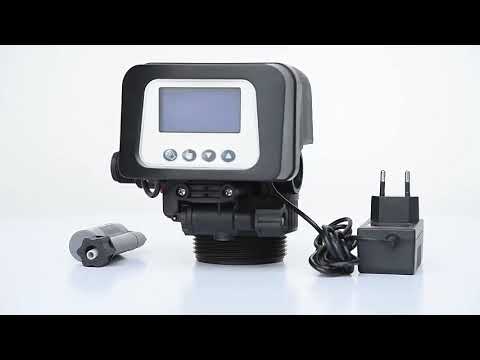
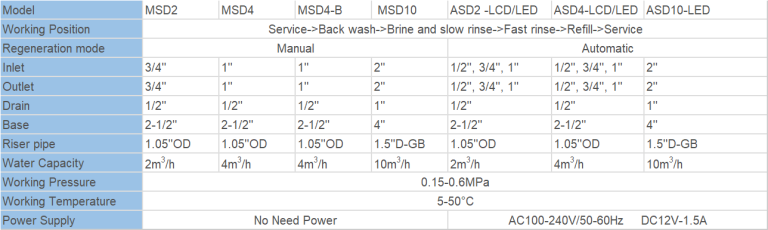
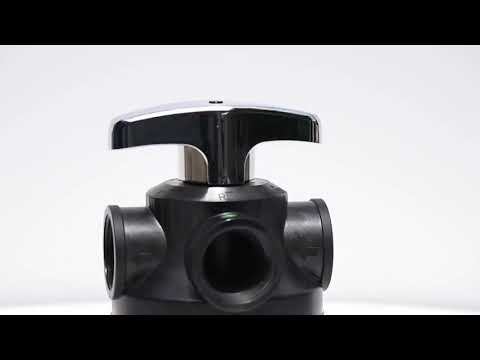
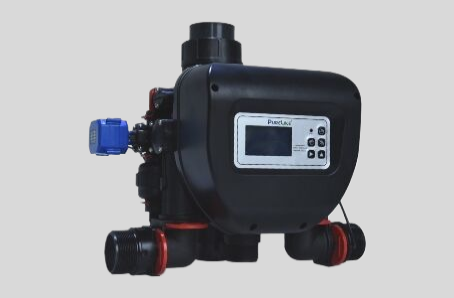
Shanghai ChiMay softener valve systems automate the complex sequence of backwash, regeneration, and rinse steps required for proper resin regeneration. These valves incorporate reliable actuator designs and robust construction suitable for the demanding operating conditions of industrial water treatment applications.
Softener Valve Automation
Manual softener regeneration introduces variability and reliability concerns that automated systems address. Regeneration timing based on metered flow ensures consistent treatment capacity utilization regardless of flow rate variations. Demand-initiated regeneration (DIR) systems respond to cumulative flow measurements, initiating regeneration when treated volume approaches system capacity.
The regeneration sequence typically includes five phases: backwash to remove trapped debris, brine draw to introduce regeneration solution, slow rinse to distribute regenerant through the resin bed, fast rinse to displace regenerant, and return to service. Each phase has specific purposes and durations that affect regeneration effectiveness and resin longevity.
Shanghai ChiMay softener valve designs incorporate these automation capabilities in packages suitable for facilities ranging from small laboratories to large-scale industrial operations. Available configurations span from single-unit systems for modest flows to complex arrays with parallel operation and redundant capacity for critical applications.
Hardness Monitoring Integration
Continuous hardness monitoring enables optimization of regeneration timing that balances water quality protection against operational costs. Monitoring systems based on colorimetric or titration principles provide accurate hardness measurements suitable for process control applications.
When hardness breakthrough occurs—indicated by increasing effluent hardness concentration—downstream equipment becomes vulnerable to scaling. Monitoring systems can trigger alarms or automated responses when hardness approaches specification limits, enabling corrective action before scaling damage occurs. This approach provides protection superior to fixed-schedule regeneration that cannot accommodate variations in water quality or demand.
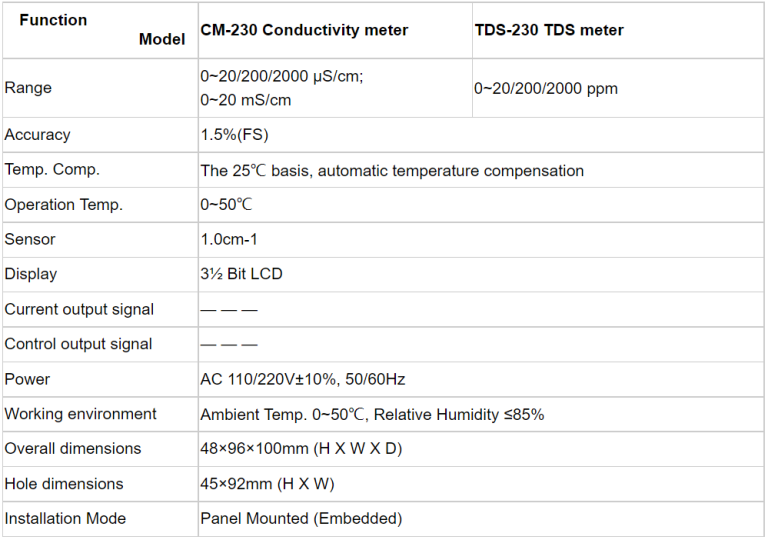
Shanghai ChiMay offers hardness monitoring solutions that integrate with softener control systems for automated regeneration optimization. These integrated approaches reduce operating costs through more efficient regeneration while ensuring consistent water quality protection for sensitive equipment.
System Sizing and Capacity Planning
Appropriate softener sizing ensures adequate capacity for peak demand periods while avoiding excessive equipment that increases capital and operating costs. Design calculations must account for expected flow variations, influent hardness levels, and desired run lengths between regenerations.
Safety factors of 15-25% are commonly applied to account for variability in water quality and demand patterns. Peak summer conditions often produce elevated hardness levels as source water composition changes, requiring consideration in design calculations. Future growth projections should inform equipment sizing to avoid premature capacity limitations.
Multiple softener units operating in parallel provide operational flexibility and reliability advantages. Parallel configurations enable continued operation during regeneration cycles while providing redundancy for maintenance activities. Staggered regeneration schedules minimize instantaneous capacity reductions during regeneration events.
Economic Considerations
Softening system operating costs include salt consumption, water waste during regeneration, and maintenance activities. Salt consumption correlates directly with treated water volume and hardness levels, with typical consumption ranging from 100-200 grams per cubic meter of treated water.
Water waste during regeneration typically ranges from 1-3% of treated water volume, though high-efficiency designs can reduce this fraction. Waste minimization strategies including precise brine control and optimized backwash parameters reduce resource consumption without compromising regeneration effectiveness.
Resin replacement represents a significant maintenance cost that proper operation can minimize. Resin life typically spans 5-10 years depending on water quality and operating practices. Fouling from iron, chlorine, or organic contamination reduces resin life and performance, requiring attention to pretreatment and operational practices that protect resin integrity.
Shanghai ChiMay provides comprehensive support for softening system design, equipment selection, and operational optimization. Technical specialists assist facilities in developing approaches that balance water quality protection, operational efficiency, and total cost of ownership.