flow meter Selection for Chemical Processing Plants: Engineering Guide
Flow measurement represents 35-40% of all process instrumentation in chemical plants
Incorrect flow meter selection accounts for 60% of flow measurement performance issues
ChiMay's flow meter solutions include turbine and paddle wheel designs for chemical applications
Chemical process flow meters must withstand corrosive media and hazardous area requirements
Total installed cost of flow measurement ranges from $2,000 to $50,000 depending on technology and application
Introduction
Flow measurement stands as the most critical and most complex parameter in chemical processing operations. Accurate flow data enables inventory management, quality control, process optimization, and custody transfer—yet the diversity of chemical process fluids and operating conditions creates significant selection challenges.
Chemical processing plants handle thousands of different fluids across thousands of process points. No single flow measurement technology satisfies all requirements. This engineering guide examines the selection criteria, technology options, and application considerations for chemical plant flow measurement.
According to the Chemical Engineering Magazine's 2025 Plant Engineering Survey, flow measurement instrumentation represents the largest single category of process instrumentation, accounting for $2.8 billion in annual capital investment across the chemical processing industry globally.
Flow Measurement Fundamentals
Conservation Principles
All flow measurement technologies rely on fundamental physical principles:
Continuity Equation:
Where Q = volumetric flow rate, A = pipe cross-sectional area, v = fluid velocity.
Mass Conservation:
Where ṁ = mass flow rate, ρ = fluid density.
Energy Conservation:
Bernoulli's equation describes the relationship between pressure, velocity, and elevation in flowing fluids.
Differential Pressure Flow Meters
Operating Principle
Differential pressure (DP) flow meters create a restriction in the pipe and measure the resulting pressure drop:
Where:
Cd = discharge coefficient
A2 = restriction area
ΔP = differential pressure
ρ = fluid density
β = beta ratio (restriction diameter / pipe diameter)
Turbine Flow Meters
Operating Principle
Turbine flow meters measure fluid velocity by detecting the rotational speed of a turbine rotor:
Where f = pulse frequency, v = fluid velocity, θ = blade angle, p = blade pitch.
The pulse frequency is proportional to volumetric flow rate.
Paddle Wheel Flow Meters
Operating Principle
Paddle wheel (oscillating rotor) flow meters use a rotor with partial blades that oscillate as fluid flows past:
Rotor is only partially immersed in flow
Reduced bearing load extends service life
Less pressure drop than full turbine meters
Pulse output proportional to flow rate
Installation Requirements
D = pipe diameter
Magnetic Flow Meters
Application Characteristics
Advantages:
No pressure loss (no moving parts or obstructions)
Accurate regardless of fluid density, viscosity, or temperature
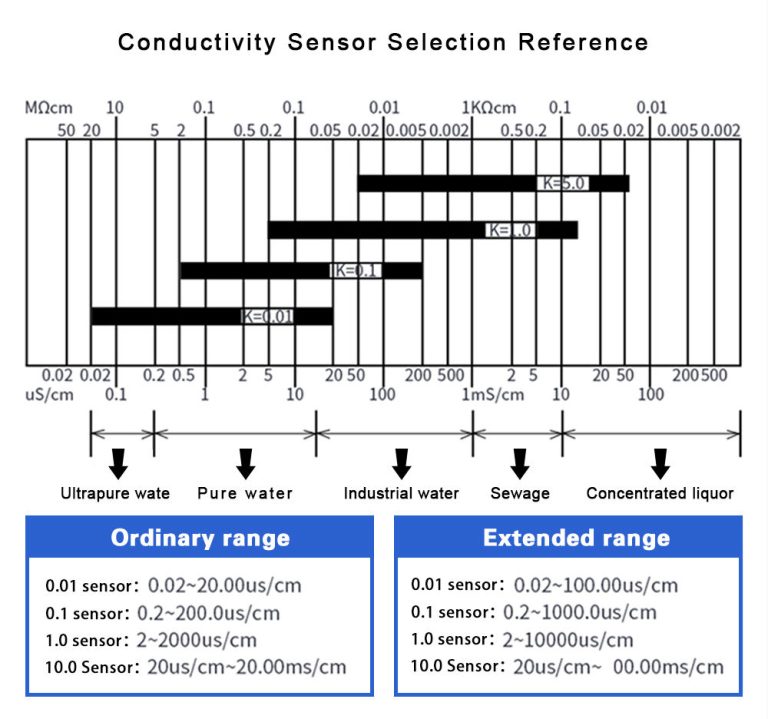
Works with conductive fluids (>5 μS/cm)
No flow profile disturbance
Limitations:
Requires conductive fluid (no hydrocarbons, deionized water)
Electrode materials must be compatible with process fluid
Higher initial cost
Grounding requirements critical
Typical Chemical Applications:
Acids and bases (with appropriate electrodes)
Slurry applications
Wastewater and effluent
Cooling water
Coriolis Mass Flow Meters
Application Characteristics
Advantages:
Direct mass flow measurement (no density compensation needed)
Highest accuracy (±0.1% of reading)
Measures both mass flow and density simultaneously
Works with most liquids and gases
Limitations:
Highest installed cost
Higher pressure drop than most technologies
Sensitive to vibration
Limited to line sizes typically under 6 inches
Chemical Applications:
Custody transfer requiring mass basis
Blending operations requiring precise ratios
Density measurement for concentration
High-viscosity fluids
Technology Selection Matrix
Operating Conditions
Installation Best Practices
Straight Run Requirements
Proper flow conditioning requires adequate straight pipe runs:
Economic Considerations
Total Installed Cost
Operating Cost Factors
Energy consumption: DP meters create permanent pressure loss
Maintenance: Moving parts require periodic service
Calibration: Accuracy requirements drive frequency
Replacement: Wear parts, electrodes, sensors
Conclusion
Flow meter selection for chemical processing applications requires careful evaluation of fluid properties, operating conditions, accuracy requirements, and economic factors. No single technology satisfies all applications—understanding the strengths and limitations of each option enables optimal selection.
ChiMay's flow meter solutions include turbine flow meters for clean liquids and paddle wheel flow meters for general water and chemical solution applications. These technologies provide reliable, cost-effective flow measurement for the majority of chemical plant applications.
Proper installation, including adequate straight runs, proper grounding, and appropriate accessories, ensures optimal meter performance throughout the instrument lifecycle. The investment in correct selection and installation pays dividends through accurate measurement, reduced maintenance, and confident process control.