Table of Contents
Key Takeaways
- The global aquaculture monitoring market is projected to reach $1.69 billion by 2036, growing at a CAGR of 9.4% from its 2026 valuation of $690 million
- dissolved oxygen sensors dominate the aquaculture sensor market with a 26% market share
- Real-time monitoring systems can reduce aquaculture mortality rates by up to 30% compared to manual sampling
- ChiMay's online monitoring solutions offer ±0.2mg/L accuracy for dissolved oxygen measurements
- Total cost of ownership for automated monitoring systems is 40% lower than manual testing over five years
Introduction
The aquaculture industry faces mounting pressure to improve production efficiency while maintaining environmental sustainability. With global seafood consumption increasing and wild fish stocks declining, commercial fish farming operations must adopt advanced technologies to remain competitive.
According to the Food and Agriculture Organization (FAO), aquaculture now produces over 120 million tonnes of fish and seafood annually, accounting for nearly 50% of global fish consumption. This dramatic growth has created unprecedented demand for reliable water quality monitoring systems.
Understanding Critical Water Quality Parameters
Dissolved Oxygen
Dissolved oxygen (DO) represents the most critical water quality parameter. Fish require adequate oxygen levels to metabolize food, grow efficiently, and resist disease. Most warm water species thrive at DO levels above 5 mg/L, while cold water species require 6-8 mg/L.
Dr. James M. Ebeling from the University of Arkansas at Pine Bluff notes: "Dissolved oxygen is the single most limiting factor in intensive aquaculture production."
Ammonia and Nitrogen Compounds
Ammonia, produced primarily from fish excretion and uneaten feed decomposition, poses significant toxicity risks. Most freshwater species tolerate levels below 1 mg/L without adverse effects.
pH
Most freshwater fish species thrive in pH ranges between 6.5 and 8.5, with optimal production typically between 7.0 and 8.0.
Types of Monitoring Systems
Continuous Online Monitoring Systems
Advantages:
- Immediate detection of water quality deterioration
- Automated alarm capabilities when parameters exceed thresholds
- Trend analysis enabling predictive management
- Reduced labor costs compared to manual sampling
Cost Considerations:
Comprehensive online monitoring systems range from $8,000 to $25,000 per production unit. Farms implementing continuous monitoring typically recover investment within 18-24 months through improved feed conversion and reduced mortality.
Portable Meter Systems
Advantages:
- Lower initial investment: $500-$3,000
- Flexibility to monitor multiple units
- Simpler maintenance requirements
Limitations:
- Higher long-term labor costs ($15,000-$25,000 annually)
- Missed critical events between readings
Key Selection Criteria
Measurement Accuracy
For dissolved oxygen measurements, look for sensors with accuracy of ±0.2 mg/L or better. pH sensors should provide accuracy within ±0.1 units.
Sensor Durability
Select sensors with:
- Anti-fouling coatings or self-cleaning mechanisms
- Corrosion-resistant materials
- Mechanical protection against damage
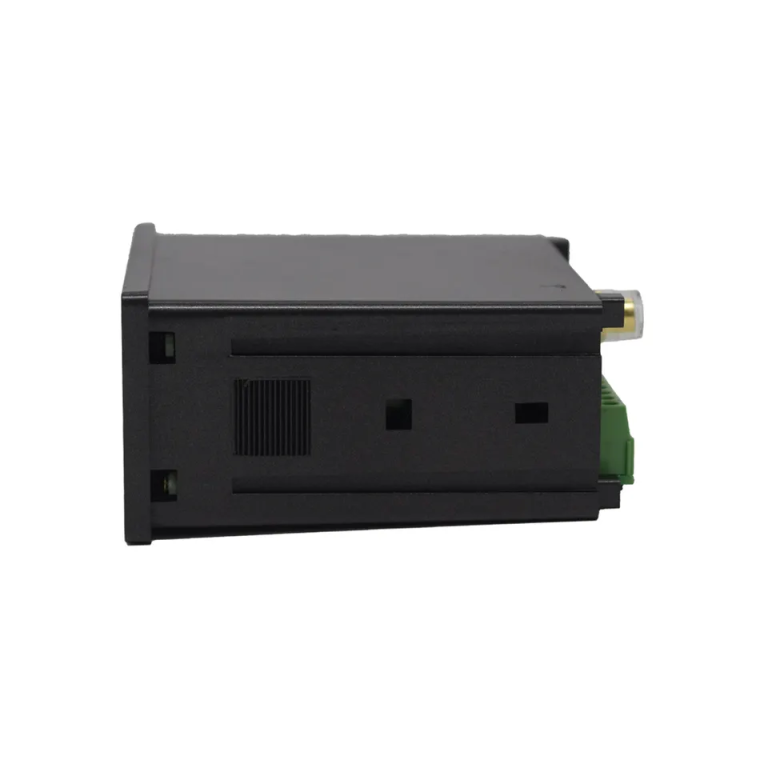
ChiMay's online monitoring systems utilize robust electrode designs engineered for aquaculture environments, featuring automatic temperature compensation and built-in cleaning mechanisms that reduce maintenance frequency by 35%.
Data Integration
Look for monitoring equipment supporting:
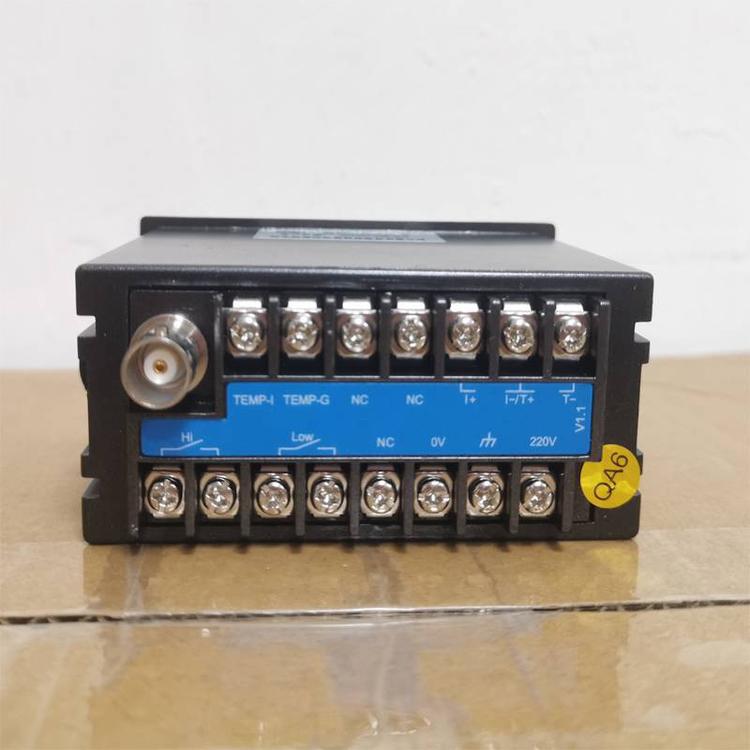
- Modbus RTU, Modbus TCP, or 4-20mA outputs
- Cloud connectivity for remote data access
- Alarm notification systems (SMS, email, app-based)
Regulatory Considerations
Aquaculture operations in many jurisdictions face increasing regulatory requirements. The National Marine Fisheries Service reports that 73% of coastal states require some form of water quality monitoring for commercial aquaculture permits.
Key considerations include effluent monitoring requirements, record-keeping obligations, and equipment calibration documentation.
Implementation Best Practices
Phased Implementation
For operations upgrading from manual monitoring:
- Phase 1: Install continuous monitoring for dissolved oxygen
- Phase 2: Add pH and temperature monitoring
- Phase 3: Implement ammonia and advanced parameters
- Phase 4: Integrate monitoring with feeding and environmental controls
Staff Training
According to industry surveys, 45% of aquaculture water quality emergencies result from operator error rather than equipment failure. Comprehensive training should cover daily calibration, sensor maintenance, alarm response, and data interpretation.
Conclusion
Investing in reliable online water quality monitoring represents one of the most impactful decisions for commercial aquaculture operations. The combination of improved fish health, reduced mortality, and optimized feed conversion delivers measurable economic benefits that typically exceed implementation costs within the first two years.
When evaluating monitoring equipment, prioritize measurement accuracy, sensor durability in aquaculture conditions, and systems that support your long-term operational goals. ChiMay's aquaculture-specific monitoring solutions combine proven sensor technology with comprehensive support services designed to help operators maximize production efficiency while minimizing environmental risk.