Key Takeaways:
- Free chlorine residual monitoring ensures continuous microbial protection throughout water distribution networks
- Modern amperometric sensors provide real-time measurements with ±0.02 mg/L accuracy
- Proper residual maintenance prevents recontamination while minimizing disinfection byproduct formation
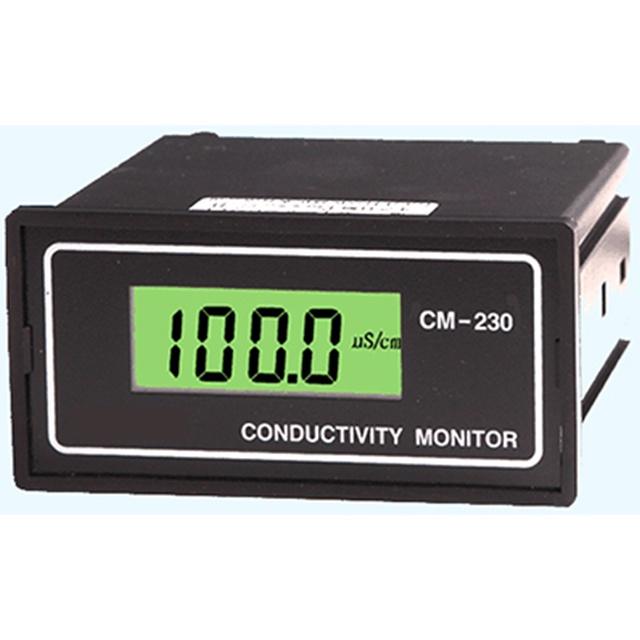
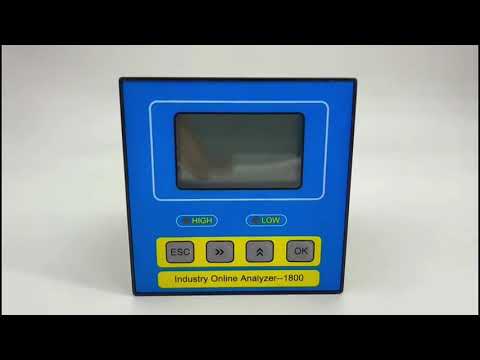
- ChiMay's residual chlorine transmitters integrate seamlessly with SCADA systems for automated monitoring
Table of Contents
Introduction
Chlorine remains the most widely used disinfectant in drinking water treatment worldwide, protecting public health from pathogenic microorganisms including bacteria, viruses, and protozoa. The effectiveness of chlorine disinfection depends not only on initial dose but on maintaining a measurable free chlorine residual throughout the distribution system. This article explores the scientific principles behind free chlorine residual measurement and its critical role in ensuring safe drinking water.
According to the U.S. Environmental Protection Agency (EPA), maintaining a free chlorine residual of at least 0.2 mg/L throughout the distribution system provides reliable protection against microbial contamination. Water utilities worldwide have adopted continuous monitoring as the standard for ensuring disinfection efficacy.
Understanding Free Chlorine Residual
Free chlorine residual refers to the concentration of hypochlorous acid (HOCl) and hypochlorite ion (OCl⁻) remaining in water after disinfection. These active chlorine species provide ongoing antimicrobial protection as water travels through the distribution network. The balance between HOCl and OCl⁻ depends on pH, with HOCl dominating at lower pH levels and providing 100 times more disinfection power than OCl⁻.
The World Health Organization (WHO) reports that free chlorine residuals between 0.2-0.5 mg/L at the point of delivery effectively prevent microbial regrowth while keeping disinfection byproduct formation within acceptable limits. Modern water treatment facilities aim to maintain residuals between 0.3-0.6 mg/L at system extremities to account for chlorine decay during distribution.
Amperometric Measurement Technology
How Amperometric Sensors Work
Amperometric free chlorine sensors operate by applying a fixed potential voltage between two electrodes submerged in the sample water. The working electrode is typically gold or platinum, while the reference electrode maintains a stable potential. When chlorine species contact the electrode surface, they undergo oxidation or reduction reactions, generating a measurable electrical current proportional to chlorine concentration.
The reaction at the working electrode follows this simplified equation:
HOCl + 2H⁺ + 2e⁻ → Cl₂ + H₂O
The resulting current, measured in microamperes, correlates directly with free chlorine concentration. Modern sensors achieve measurement ranges from 0.01-10 mg/L with response times under 60 seconds, enabling real-time process control.
Advantages of Membrane-Covered Sensors
Membrane-covered amperometric sensors isolate the electrode assembly from direct water contact, preventing interference from suspended solids, oils, and other contaminants. The hydrophobic membrane allows chlorine molecules to diffuse through while blocking larger species. This design extends sensor lifespan to 6-12 months under normal operating conditions and reduces maintenance requirements significantly.
ChiMay's residual chlorine transmitters utilize membrane-covered amperometric technology with automated temperature compensation, ensuring accurate measurements across varying water temperatures from 0-50°C. The integrated design eliminates the need for separate reagent addition, simplifying installation and reducing operational costs.
Factors Affecting Chlorine Residual Measurement
Temperature Effects
Water temperature influences both the dissociation equilibrium of chlorine species and the kinetics of electrode reactions. As temperature increases, the electrode reaction rate accelerates, potentially causing readings to drift higher if not compensated. Conversely, lower temperatures slow response times and may reduce apparent chlorine concentrations.
Modern transmitters incorporate automatic temperature compensation algorithms that correct measurements based on real-time temperature data. Research from the American Water Works Association (AWWA) indicates that temperature compensation improves measurement accuracy by 15-25% across typical operating ranges.
pH Influence
The pH of the sample water significantly affects free chlorine measurement because it determines the ratio of HOCl to OCl⁻. Amperometric sensors respond primarily to HOCl, so samples with higher pH values may show lower readings even when total free chlorine remains constant. Most modern sensors incorporate pH compensation or require sample conditioning to ensure accurate measurements.
EPA guidance documents recommend maintaining sample pH between 6.5-7.5 for optimal sensor performance and accurate free chlorine determination. Water utilities operating outside this range should implement pH adjustment or use sensors with built-in pH compensation.
Interfering Substances
Several substances can interfere with free chlorine measurements:
- Monochloramine: Contributes to total chlorine readings but has different disinfection kinetics
- Nitrogenous compounds: Can consume chlorine and affect electrode response
- Metals: Copper and iron may catalyze chlorine decay or coat electrode surfaces
- Organic matter: Can react with chlorine and interfere with membrane diffusion
Proper sensor installation, regular calibration, and appropriate sample conditioning minimize these interferences. ChiMay's transmitter systems include diagnostic functions that alert operators to potential interference conditions.
Installation Best Practices
Sampling Point Selection
The location of the free chlorine measurement point significantly affects data utility. Ideal locations include:
- Immediately after chlorine injection to verify dosing accuracy
- At storage tank outlets to monitor tank water quality
- At distribution system extremities to ensure residual persistence
- Before and after pressure zones to assess system integrity
The International Water Association (IWA) recommends installing sensors at locations representing distinct hydraulic zones within the distribution network. This approach provides comprehensive coverage while minimizing the total number of sensors required.
Flow Requirements
Continuous flow through the sensor cell ensures representative sampling and prevents measurement drift. Most manufacturers specify minimum flow rates between 100-300 mL/min. Insufficient flow can cause stratification within the measurement chamber, leading to inaccurate readings.
Recirculation loops with flow indicators help ensure adequate sample flow. ChiMay's installation guidelines recommend installing flow meters with low-flow alarms to prevent measurement failures.
Calibration and Maintenance
Calibration Procedures
Regular calibration against grab samples analyzed by certified methods ensures measurement accuracy. The DPD (N,N-diethyl-p-phenylenediamine) colorimetric method serves as the reference procedure for free chlorine calibration verification.
Recommended calibration frequency:
- Laboratory reference comparison: Monthly
- Two-point calibration with standards: Quarterly
- Single-point verification: Weekly
Membrane Replacement
Membrane-covered sensors require periodic membrane replacement, typically every 6-12 months. Replacement frequency depends on water quality, with higher fouling potential requiring more frequent service. Signs indicating membrane replacement include:
- Slow response time increase
- Reduced measurement range
- Frequent zero drift
- Increased calibration slope changes
ChiMay's service documentation provides detailed procedures for membrane replacement and electrode cleaning, typically completing in under 30 minutes with minimal tools required.
Integration with Process Control
SCADA Integration
Modern water treatment facilities integrate free chlorine measurements with supervisory control and data acquisition (SCADA) systems for automated process control. Analog signals (4-20 mA) and digital communication protocols (Modbus RTU/TCP, HART) enable seamless data transfer.
Benefits of SCADA integration include:
- Real-time trend monitoring for early problem detection
- Automated chlorine dose adjustment based on flow and residual measurements
- Alarm generation for out-of-specification conditions
- Historical data logging for regulatory reporting and optimization
Feedback Control Loops
Proportional-integral-derivative (PID) controllers use free chlorine measurements to adjust chlorine dosing automatically. Flow-paced dosing systems increase chlorine dose proportionally to flow rate while maintaining target residual. These control strategies reduce chemical consumption by 10-20% compared to fixed-dose approaches.
ChiMay's residual chlorine transmitters include built-in PID control functions, eliminating the need for separate controllers in many applications. The transmitter can directly operate chlorine dose control valves based on measurement feedback.
Regulatory Compliance
Monitoring Requirements
EPA's Surface Water Treatment Rules require water systems to maintain detectable chlorine residuals throughout the distribution system. The Stage 2 Disinfectants and Disinfection Byproducts Rule (Stage 2 D/DBPR) establishes maximum contaminant levels for trihalomethanes (THMs) and haloacetic acids (HAAs), encouraging optimization of chlorine dosing.
Continuous monitoring provides the data needed to demonstrate compliance and identify optimization opportunities. Many jurisdictions now require continuous chlorine monitoring for systems serving populations over 10,000.
Record Keeping
Automated data logging simplifies regulatory reporting and supports operational optimization. Modern transmitters store measurement data internally and export records via USB, Ethernet, or wireless connections. Cloud-based platforms enable remote monitoring and centralized data management for multi-site utilities.
Conclusion
Free chlorine residual measurement represents a critical component of modern drinking water safety systems. Understanding the underlying measurement technology, installation requirements, and maintenance procedures enables water utilities to maintain reliable disinfection while optimizing chemical consumption.
ChiMay's comprehensive line of residual chlorine transmitters combines proven amperometric technology with modern communication capabilities, supporting water utilities in protecting public health. With proper installation, calibration, and maintenance, these systems provide accurate, continuous measurements that ensure safe drinking water from treatment plant to consumer tap.
Investing in high-quality continuous monitoring infrastructure pays dividends through improved process control, reduced chemical costs, and demonstrated regulatory compliance. As water systems face increasing challenges from emerging contaminants and aging infrastructure, reliable disinfection monitoring becomes ever more essential for protecting public health.