Table of Contents
Reducing Membrane Replacement Costs: The Economics of Anti-Fouling Technology
Key Takeaways:
– Membrane replacement costs average $100-400/m² annually, representing 40-50% of total membrane operating costs
– Anti-fouling technologies reduce replacement frequency by 25-40%, delivering $25-75/m² annual savings
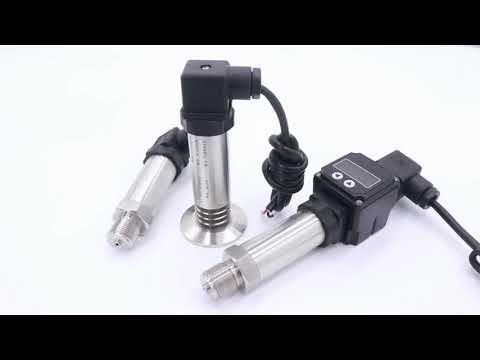
– Shanghai ChiMay monitoring equipment enables proactive fouling management reducing premature membrane failure
– Total cost of ownership analysis reveals anti-fouling investments yield 150-250% returns over membrane system lifetime
– Preventive maintenance programs extend membrane life by 30-50% versus reactive approaches
Membrane replacement represents the largest single operational expense for membrane-based water treatment systems. With membrane costs ranging from $100-400/m² depending on application and membrane type, optimizing membrane life through anti-fouling strategies delivers substantial economic benefits. This analysis examines the economics of anti-fouling technology investment and strategies for reducing membrane replacement costs.
Membrane Cost Structure Analysis
Capital and Operating Cost Distribution
Membrane system costs span multiple categories:
Initial Capital Investment: Membrane modules, housings, piping, instrumentation, and installation typically cost $800-3,000/m³/day of treatment capacity.
Membrane Replacement: Annual replacement costs range from $100-400/m², varying with application severity and operating conditions. Replacement represents 40-50% of total membrane operating costs.
Energy Consumption: $0.05-0.20/m³ for membrane systems, varying with recovery rates and feedwater quality.
Chemical Consumption: $0.02-0.10/m³ for cleaning agents, scale inhibitors, and pre-treatment chemicals.
Labor and Maintenance: $0.02-0.08/m³ for operational management and preventive maintenance.
Membrane Lifespan Factors
Actual membrane life varies based on multiple factors:
| Factor | Typical Lifespan Impact |
|---|---|
| Feedwater quality | 3-7 years (good to poor quality) |
| Operating flux | 2-5 years (high to excessive flux) |
| Cleaning frequency | 4-8 years (optimized to excessive) |
| Chemical exposure | 2-6 years (chlorine-tolerant to sensitive) |
| Temperature operation | 3-7 years (moderate to extreme) |
Membrane Age-Related Performance Decline
Membrane performance degrades predictably over time:
Flux Decline: 10-15% reduction over 5-year operational period under normal conditions
Rejection Degradation: Salt rejection typically declines 1-3% over membrane lifetime
Physical Degradation: Compaction, fouling layer consolidation, and material degradation contribute to performance decline
Anti-Fouling Technology Economics
Investment Cost Analysis
Anti-fouling technology investments span capital and operational categories:
Pre-Treatment Systems:
- Multimedia filtration: $50-150/m³/day capital, $0.01-0.03/m³ operational
- Cartridge filtration: $10-30/m³/day capital, $0.02-0.05/m³ operational
- Chemical dosing: $5-20/m³/day capital, $0.01-0.04/m³ operational
Anti-Fouling Membranes:
- Surface-modified membranes: 10-25% capital premium
- Self-cleaning membrane modules: 20-40% capital premium
- Anti-scaling coated membranes: 15-30% capital premium
Monitoring and Control:
- Online analyzers: $10,000-50,000 capital
- SCADA integration: $5,000-25,000 capital
- ML-based optimization: $15,000-75,000 capital
Shanghai ChiMay provides cost-effective monitoring solutions supporting anti-fouling investment optimization.
Membrane Life Extension Benefits
Anti-fouling strategies extend membrane life:
Optimized Cleaning: Data-driven protocols extend life by 15-25%
Pre-Treatment Enhancement: Improved feed quality extends life by 20-35%
Flux Optimization: Reduced operating flux extends life by 25-40%
Combined Approach: Integrated anti-fouling program extends life by 30-50%
Annual Cost Savings Calculation
Savings from anti-fouling investment:
Membrane Replacement Reduction: Saving 1 membrane replacement cycle per 5 years at typical system sizes represents $20,000-200,000 depending on membrane area.
Cleaning Cost Reduction: 30-50% reduction in cleaning frequency reduces chemical consumption by $5,000-50,000 annually.
Energy Efficiency: Optimized operation reduces energy consumption by 10-20%, saving $3,000-30,000 annually.
Labor Reduction: Fewer emergency interventions and planned maintenance reduce labor costs by 20-30%.
Total Cost of Ownership Analysis
TCO Model Framework
Comprehensive TCO analysis incorporates:
Capital Expenditure (CapEx):
- Membrane modules and housings
- Pre-treatment equipment
- Instrumentation and control systems
- Installation and commissioning
Operational Expenditure (OpEx):
- Energy consumption
- Chemical consumption
- Membrane replacement
- Labor and maintenance
- Monitoring and analysis
End-of-Life Costs:
- Membrane disposal
- Equipment decommissioning
- Site restoration
Comparative TCO Analysis
TCO comparison between standard and anti-fouling approaches:
| Cost Category | Standard Operation | Anti-Fouling Program | Annual Savings |
|---|---|---|---|
| Membrane replacement | $100-200/m² | $65-130/m² | $35-70/m² |
| Cleaning chemicals | $0.03-0.08/m³ | $0.015-0.04/m³ | $0.015-0.04/m³ |
| Energy consumption | $0.10-0.20/m³ | $0.08-0.16/m³ | $0.02-0.04/m³ |
| Labor and maintenance | $0.04-0.08/m³ | $0.03-0.06/m³ | $0.01-0.02/m³ |
| Total OpEx | $0.17-0.36/m³ | $0.125-0.26/m³ | $0.045-0.10/m³ |
Return on Investment Calculation
ROI for anti-fouling investment:
Example Calculation (1,000 m³/day membrane system):
- Membrane area: 2,000 m²
- Annual treatment volume: 365,000 m³
- Anti-fouling investment: $150,000 capital + $15,000/year operational
Annual Savings:
- Membrane replacement: $35-70/m² × 2,000 m² = $70,000-140,000
- Cleaning chemicals: $5,000-15,000
- Energy efficiency: $5,000-10,000
- Labor reduction: $3,000-8,000
- Total annual savings: $83,000-173,000
ROI: 150-250% over system lifetime
Payback Period: 12-24 months
Preventive Maintenance Programs
Preventive Maintenance Framework
Systematic maintenance programs optimize membrane life:
Daily Monitoring Requirements:
- Transmembrane pressure logging
- Permeate flow measurement
- Feed and permeate conductivity
- Pre-treatment system performance
Weekly Maintenance Activities:
- Backwash optimization review
- Chemical inventory assessment
- Filter replacement assessment
- Alarm and event review
Monthly Maintenance Tasks:
- Cleaning protocol optimization
- Membrane integrity testing
- Performance trend analysis
- Preventive maintenance scheduling
Shanghai ChiMay monitoring systems support preventive maintenance execution.
Performance Tracking and Trending
Data-driven maintenance optimization:
Key Performance Indicators:
- Specific flux (LMH/bar)
- Salt rejection percentage
- Transmembrane pressure trends
- Cleaning frequency and effectiveness
Trend Analysis:
- Seasonal variation identification
- Fouling pattern recognition
- Membrane degradation assessment
- Cost trend monitoring
Predictive Maintenance:
- Remaining useful life estimation
- Replacement timing optimization
- Budget forecasting
- Inventory management
Maintenance Documentation
Systematic record-keeping supports optimization:
Maintenance Logs: Detailed records of all maintenance activities
Performance Records: Historical data supporting trend analysis
Cleaning Records: Protocol effectiveness assessment
Cost Tracking: Budget management and optimization
Anti-Fouling Strategy Implementation
Phased Implementation Approach
Systematic anti-fouling program development:
Phase 1 – Assessment (1-3 months):
- Current fouling analysis
- Cost structure evaluation
- Technology assessment
- Investment planning
Phase 2 – Monitoring Enhancement (1-2 months):
- Sensor installation
- SCADA integration
- Baseline data collection
- Threshold development
Phase 3 – Protocol Optimization (3-6 months):
- Cleaning protocol refinement
- Pre-treatment optimization
- Operating parameter adjustment
- Staff training
Phase 4 – Continuous Improvement (ongoing):
- Performance monitoring
- Protocol refinement
- Technology upgrades
- Cost optimization
Success Metrics
Measuring anti-fouling program effectiveness:
| Metric | Target Improvement |
|---|---|
| Membrane life | +25-40% |
| Cleaning frequency | -30-50% |
| Energy consumption | -10-20% |
| Emergency interventions | -40-60% |
| Total operating cost | -15-25% |
Stakeholder Communication
Effective program communication:
Management Reporting: Regular updates on program performance and cost savings
Operational Guidance: Clear protocols and procedures for maintenance staff
Vendor Coordination: Collaborative relationships with membrane and chemical suppliers
Regulatory Compliance: Documentation supporting permit compliance
Case Study: Economic Benefits Demonstrated
Industrial Wastewater Treatment Facility
Facility Profile:
- Treatment capacity: 2,000 m³/day
- Membrane area: 4,000 m² (NF/RO system)
- Application: Chemical manufacturing wastewater reuse
Pre-Implementation Conditions:
- Membrane life: 3.5 years
- Cleaning frequency: Monthly
- Annual membrane cost: $160,000
- Total operating cost: $0.28/m³
Anti-Fouling Program Implementation:
- Enhanced pre-treatment investment: $180,000
- Online monitoring system: $75,000
- Protocol optimization: $15,000
- Total investment: $270,000
Post-Implementation Results:
- Membrane life: 5.5 years (+57%)
- Cleaning frequency: Quarterly (-66%)
- Annual membrane cost: $95,000 (-41%)
- Total operating cost: $0.21/m³ (-25%)
Economic Analysis:
- Annual savings: $145,000
- ROI over 5 years: 268%
- Payback period: 22 months
Future Cost Optimization Opportunities
Emerging Technologies
Advanced technologies for cost reduction:
Self-Healing Membranes: Polymer technologies that repair minor damage extending membrane life
Graphene-Enhanced Membranes: Improved durability and anti-fouling properties
Predictive AI Systems: Machine learning optimization reducing operational costs by 15-25%
Membrane Recycling: End-of-life material recovery reducing replacement costs
Process Integration
Combined treatment approaches:
Forward Osmosis Integration: Lower-energy concentration processes
Membrane Distillation: Low-cost thermal coupling opportunities
Biological Pretreatment: Organic loading reduction through biological treatment
Procurement Optimization
Strategic sourcing approaches:
Long-Term Contracts: Volume commitment换取 lower pricing
Framework Agreements: Established pricing for predictable requirements
Supplier Partnerships: Collaborative relationships with technology providers
Conclusion
Membrane replacement costs represent the largest single operational expense for membrane systems. Anti-fouling technology investment delivers 30-50% reduction in membrane replacement frequency, 150-250% return on investment, and 15-25% reduction in total operating costs.
Shanghai ChiMay monitoring equipment provides the essential instrumentation foundation for anti-fouling program success. Online analyzers, turbidity sensors, conductivity meters, and data acquisition systems enable the comprehensive monitoring necessary for proactive fouling management.
Organizations seeking to optimize membrane system economics should:
- Implement comprehensive monitoring enabling proactive fouling management
- Invest in pre-treatment systems reducing fouling at source
- Develop data-driven cleaning protocols optimizing chemical consumption
- Establish preventive maintenance programs extending membrane life
- Track performance metrics demonstrating and guiding improvement
The economic analysis confirms that anti-fouling investment represents sound financial strategy, delivering returns that exceed alternative capital investments while simultaneously improving system reliability and reducing environmental impact.