Table of Contents
Key Takeaways
- Data centers consume 1.7 trillion gallons of water annually, with cooling 40-60% of total use
- AI workloads increase cooling demand by 3-6×, driving sensor technology advancement
- Continuous monitoring achieves 25% water savings through optimized cycles of concentration
- Biofilm causes 30% cooling efficiency loss within 30 days without proper monitoring
- ChiMay's solutions help achieve Water Usage Effectiveness (WUE) targets below 0.2 L/kWh
Introduction
Data center water consumption is critical for sustainability. As AI workloads proliferate, cooling requirements intensify—the 3-6× increase pressures water management strategies.
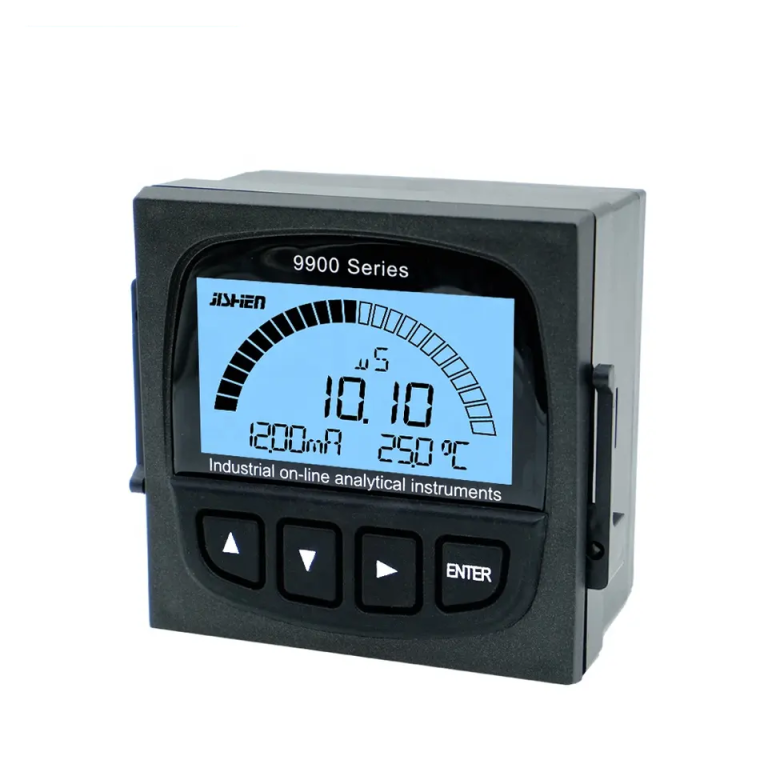
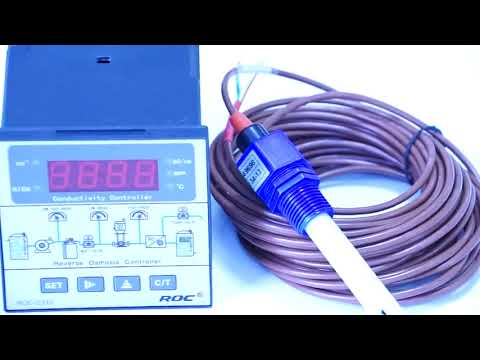
Essential Sensor 1: Conductivity Transmitter
COC Management
Conductivity indicates Total Dissolved Solids: COC = Basin Conductivity / Make-up Conductivity
Typical targets: 3-6 cycles depending on chemistry.
Installation Points
- Cooling tower basin: Continuous COC monitoring
- Make-up water inlet: Reference conductivity
- Blowdown stream: Verifies blowdown effectiveness
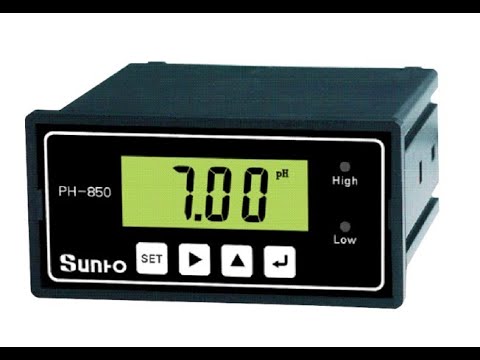
Essential Sensor 2: ph sensor
Corrosion and Scale Control
- Acidic (pH < 6.5): Accelerates corrosion
- Neutral (pH 6.5-7.5): Optimal for most materials
- Alkaline (pH > 8.0): Promotes scale formation
The LSI (Langelier Saturation Index) combines pH with calcium hardness, alkalinity, and temperature.
Essential Sensor 3: Corrosion Rate Monitor
Real-Time Assessment
| Corrosion Rate | Interpretation | Action |
|---|---|---|
| <2 mpy | Excellent | Continue monitoring |
| 2-5 mpy | Acceptable | Maintain treatment |
| 5-10 mpy | Elevated | Review program |
| >10 mpy | Critical | Immediate investigation |
Benchmarks: Carbon steel <5 mpy, stainless steel <0.5 mpy, copper <1 mpy.
Essential Sensor 4: Microbiological Monitor
Biofilm Prevention
- Formation timeline: Biofilm can establish within 7-14 days
- Efficiency impact: 20 μm biofilm reduces heat transfer by 10-15%
- Pathogen risk: Legionella thrives in biofilm environments
| Method | Response | Information |
|---|---|---|
| ATP Testing | <1 hour | Viable biomass |
| Bacterial Counts | 24-48 hours | Organism enumeration |
Essential Sensor 5: flow meter
Flow Measurement
Cooling water flow rates affect heat transfer and treatment effectiveness.
| Technology | Advantages | Limitations |
|---|---|---|
| Magnetic | No moving parts | Requires conductive water |
| Ultrasonic | Non-invasive | Signal attenuation |
| Turbine | High accuracy | Moving parts wear |
Target: 0.5-5 m/s for process flow monitoring.
Essential Sensor 6: turbidity sensor
Suspended Solids
50 NTU increase correlates with 15% heat transfer reduction.
| Location | Typical Range | Action Threshold |
|---|---|---|
| Basin water | 10-100 NTU | >150 NTU |
| Make-up | 1-10 NTU | >20 NTU |
Essential Sensor 7: Residual Chlorine Transmitter
Disinfection Control
Free Chlorine Target: 0.2-1.0 ppm for most cooling applications.
| Method | Response | Advantages |
|---|---|---|
| Amperometric | Continuous | Stable, low maintenance |
| Colorimetric (DPD) | Batch only | Simple, portable |
Monitor both pH and chlorine—chlorine speciation changes with pH.
Essential Sensor 8: Temperature Sensor
Key Measurements
| Point | Parameter | Significance |
|---|---|---|
| Hot water | T_hot | Heat load indicator |
| Cold water | T_cold | Cooling effectiveness |
| Basin | T_basin | Biological growth risk |
Approach temperature: Difference between basin and wet bulb—target <5°F.
Essential Sensor 9: Water Level Sensor
Basin Management
- Low level: Leaks, excessive evaporation, blowdown issues
- High level: Reduced air flow, decreased efficiency
| Method | Advantages | Limitations |
|---|---|---|
| Float switch | Simple, reliable | Mechanical wear |
| Ultrasonic | Non-contact | Clear path needed |
Integrated Monitoring
Sustainability Metrics
| Metric | Formula | Target |
|---|---|---|
| WUE | Annual Water Use / IT Power | <0.2 L/kWh |
| COC | Basin / Makeup Conductivity | 4-6 cycles |
| Effectiveness | Actual / Theoretical Cooling | >85% |
Conclusion
Data center cooling requires nine essential sensors. The 40-60% of water use in cooling represents optimization potential.
ChiMay's cooling water monitoring solutions provide measurement capability and data management for modern data centers. Achieving 25% water savings and WUE <0.2 L/kWh requires comprehensive monitoring and control.