Table of Contents
Benefits of Installing a water softener bypass valve
Water softeners are a popular choice for homeowners looking to improve the quality of their water by reducing the levels of minerals such as calcium and magnesium. These minerals can cause a variety of issues, including scale buildup in pipes and appliances, as well as dry skin and hair. However, there are times when you may not want to use softened water, such as when watering your garden or filling a swimming pool. This is where a water softener bypass valve comes in handy.
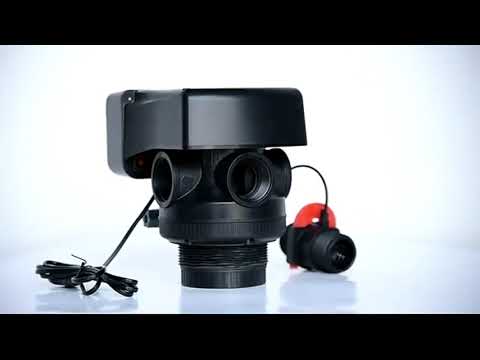
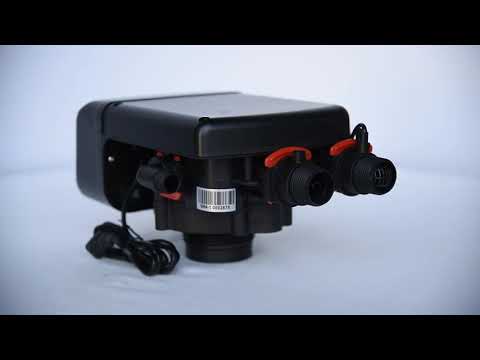
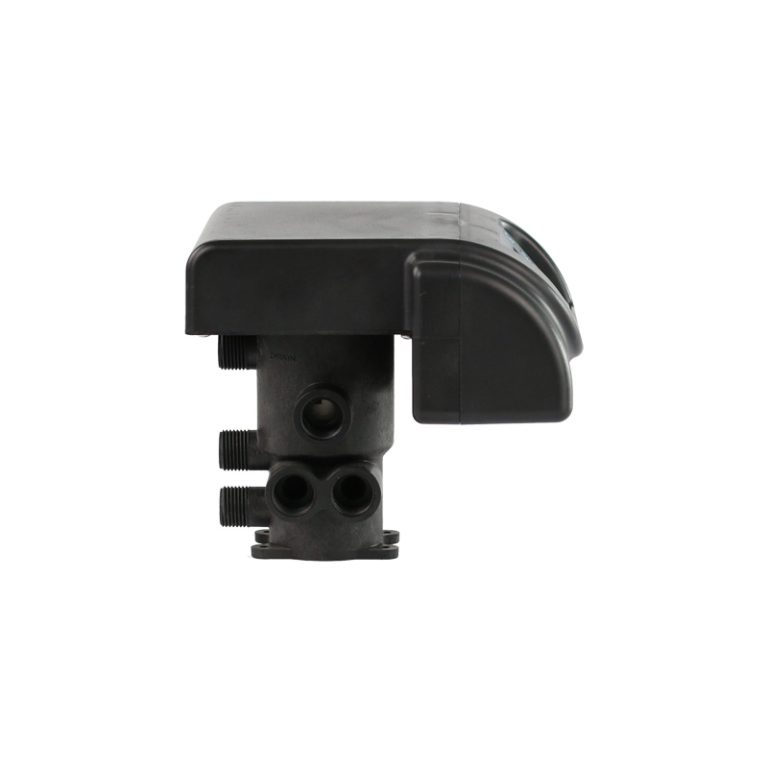
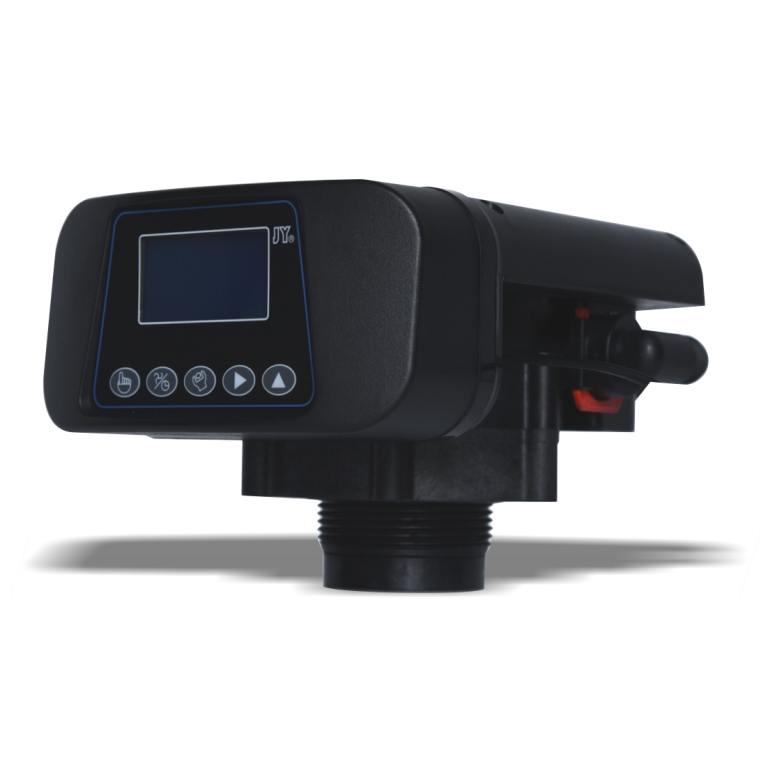
| Model | Central tube | Drain | Brine tank connector | Base | Maximum power | Operating temperature\\u00a0 |
| 2510 | 1.05″ (1″)O.D. | 1/2″O.D. | 1600-3/8″ | 2-1/2″-8NPSM | 72W | 1\\u2103-43\\u2103 |
| 1650-3/8″ |
A water softener bypass valve is a simple device that allows you to temporarily bypass your water softener, so that you can use unsoftened water when needed. This can be particularly useful for outdoor tasks, such as washing your car or watering your lawn, where softened water is not necessary. By installing a bypass valve, you can easily switch between softened and unsoftened water, depending on your needs.
One of the main benefits of installing a water softener bypass valve is that it can help to extend the life of your water softener. By bypassing the softener when it is not needed, you can reduce the wear and tear on the system, which can help to prolong its lifespan. This can save you money in the long run, as you will not need to replace your water softener as frequently.
Another benefit of a water softener bypass valve is that it can help to conserve salt and water. When you bypass the softener for tasks that do not require softened water, you can reduce the amount of salt and water that is used by the system. This can help to lower your water and salt bills, as well as reduce the environmental impact of your water softener.
Additionally, a water softener bypass valve can provide added convenience for homeowners. Instead of having to manually disconnect and reconnect your water softener every time you need unsoftened water, a bypass valve allows you to easily switch between the two with the turn of a knob. This can save you time and hassle, making it easier to use your water softener in a way that suits your needs.
In conclusion, a water softener bypass valve can offer a range of benefits for homeowners who have a water softener installed in their home. From extending the life of your water softener to conserving salt and water, as well as providing added convenience, a bypass valve is a simple yet effective way to make the most of your water softening system. If you are considering installing a water softener, be sure to also invest in a bypass valve to maximize the benefits of your system.
How to Properly Maintain and Troubleshoot a Water Softener Bypass Valve
Water softeners are essential appliances in many households, as they help to remove minerals such as calcium and magnesium from water, which can cause limescale buildup and other issues. One important component of a water softener is the bypass valve, which allows you to temporarily bypass the softener when needed, such as during maintenance or repairs. Proper maintenance and troubleshooting of the bypass valve are crucial to ensure that your water softener continues to function effectively.
To properly maintain a water softener bypass valve, it is important to regularly inspect it for any signs of wear or damage. Check for leaks, cracks, or other issues that may indicate a problem with the valve. If you notice any issues, it is important to address them promptly to prevent further damage to the valve or the water softener system.
In addition to visual inspections, it is also important to periodically test the bypass valve to ensure that it is functioning properly. To do this, simply turn the valve to the bypass position and check to see if water is still flowing through the softener. If water is still flowing through the softener when the valve is in bypass mode, this may indicate a problem with the valve that needs to be addressed.
If you encounter any issues with your water softener bypass valve, there are a few troubleshooting steps that you can take to try to resolve the problem. One common issue that may arise is a stuck or jammed valve. If the valve is difficult to turn or is not moving at all, try lubricating it with a silicone-based lubricant to see if that helps. If the valve is still not functioning properly, it may need to be replaced.
Another common issue with water softener bypass valves is leaks. If you notice water leaking from the valve, it is important to address the issue as soon as possible to prevent water damage and further issues with the valve. Check the connections and fittings around the valve to ensure that everything is tight and secure. If you are unable to locate the source of the leak, it may be necessary to call a professional plumber to help diagnose and repair the issue.
In some cases, the bypass valve may become clogged with debris or mineral buildup, which can prevent it from functioning properly. If you suspect that this may be the issue, try cleaning the valve with a mixture of water and vinegar to help dissolve any buildup. If the valve is still not functioning properly after cleaning, it may need to be replaced.
Proper maintenance and troubleshooting of a water softener bypass valve are essential to ensure that your water softener continues to function effectively. By regularly inspecting and testing the valve, addressing any issues promptly, and taking steps to troubleshoot common problems, you can help to prolong the life of your water softener and ensure that your water remains soft and free of minerals. If you encounter any issues that you are unable to resolve on your own, don’t hesitate to seek help from a professional plumber or water softener technician.