Table of Contents
Smart Water Grid Cybersecurity: Protecting Industrial Monitoring Infrastructure
Key Takeaways:
– Water sector cyberattacks increase 69% in 2025, with industrial monitoring systems increasingly targeted
– NIST Cybersecurity Framework adoption reaches 78% among major water utilities
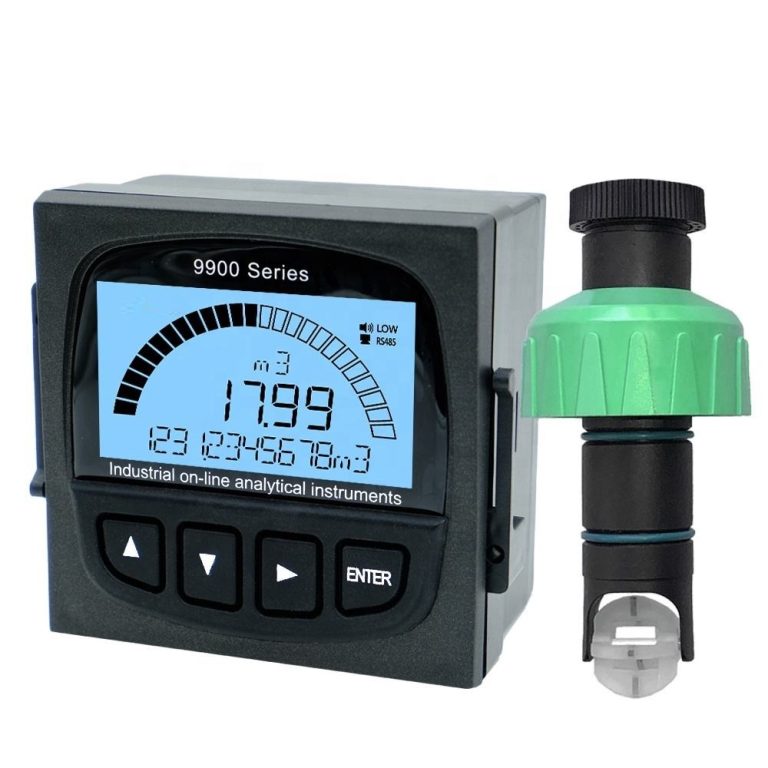
– Shanghai ChiMay sensors incorporate security features including TLS encryption and certificate authentication
– Properly secured IIoT deployments achieve 99.9% uptime versus 94% for unsecured systems
– Average cost of water sector data breach reaches $4.8 million per incident
Cybersecurity has emerged as critical concern for water treatment facilities as operational technology systems increasingly connect to enterprise networks and cloud platforms. The 2021 Oldsmar, Florida incident, where hackers attempted to increase lye levels remotely, demonstrated the potentially catastrophic consequences of inadequate cybersecurity in water treatment applications.
The Environmental Protection Agency (EPA) reports that 43% of water systems have identified cybersecurity vulnerabilities, yet only 31% have implemented comprehensive security programs. This gap creates significant risk for facilities relying on connected monitoring infrastructure.
Threat Landscape for Water Quality Monitoring
Understanding attack vectors enables effective defense:
Network-Based Attacks: Exploitation of network vulnerabilities including unpatched devices, default credentials, and insecure protocols. The ICS-CERT reports 2,800+ industrial control system vulnerabilities disclosed in 2025, with 23% affecting water sector systems.
Malware: Ransomware and other malicious software disrupting system operation or exfiltrating data. Water sector ransomware attacks increased 87% in 2025 according to Dragos Industrial Threat Intelligence. Average ransom demands reached $2.3 million.
Insider Threats: Authorized personnel intentionally or unintentionally causing security incidents. Verizon Data Breach Investigations Report indicates 18% of water sector breaches involve internal actors.
Supply Chain Attacks: Compromise of software or hardware suppliers enabling indirect system intrusion. The SolarWinds incident demonstrated catastrophic potential of supply chain compromises.
Defense-in-Depth Security Architecture
Effective cybersecurity employs multiple defensive layers:
Network Segmentation: Isolating operational technology networks from enterprise IT and internet-connected systems. The Purdue Model provides framework for hierarchical network architecture with security perimeters between levels. Industrial Ethernet networks utilize VLAN segmentation and firewall rules preventing lateral attack movement.
Access Control: Limiting system access to authorized personnel through authentication and authorization mechanisms. Role-based access control (RBAC) restricts user capabilities to job requirements. Multi-factor authentication (MFA) strengthens identity verification for privileged access.
Encryption: Protecting data in transit and at rest. TLS 1.3 provides current best practice for network communications. Shanghai ChiMay sensors support TLS encryption for data transmission to cloud platforms and SCADA systems.
Intrusion Detection: Monitoring network traffic and system behavior for indicators of compromise. Network-based intrusion detection systems (NIDS) identify malicious traffic patterns. Host-based intrusion detection (HIDS) monitors individual device behavior.
Security Monitoring: Continuous analysis of security events across distributed infrastructure. Security Information and Event Management (SIEM) systems aggregate logs enabling correlation and threat detection. The SANS Institute recommends 24/7 security monitoring for water sector critical infrastructure.
IIoT Security Implementation
Connected sensors and edge devices require specific security measures:
Device Authentication: Each IIoT device requires unique credentials preventing unauthorized access. X.509 certificates provide robust device identity verification. Shanghai ChiMay sensors support certificate-based authentication with secure key storage.
Secure Boot: Ensuring devices run only authorized software through cryptographic verification of boot processes. Prevents deployment of compromised firmware.
Firmware Updates: Regular security patches addressing discovered vulnerabilities. Secure update mechanisms prevent installation of malicious firmware. Shanghai ChiMay provides signed firmware updates with rollback protection.
Physical Security: Protecting devices from unauthorized physical access enabling direct interface or removal. Tamper-evident enclosures and secure mounting deter physical attacks.
Compliance Framework
Water sector cybersecurity regulation continues evolving:
EPA Cybersecurity Guidelines: The Safe Drinking Water Act requires vulnerability assessments and emergency response plans. EPA cybersecurity guidance recommends NIST Framework implementation.
State Regulations: Multiple states including California, New York, and Texas have enacted water sector cybersecurity requirements. Regional coordination through organizations like the American Water Works Association (AWWA) promotes consistent standards.
NIST Cybersecurity Framework: Provides structured approach to cybersecurity risk management. The framework’s five functions (Identify, Protect, Detect, Respond, Recover) provide comprehensive security program structure.
AWIA Cybersecurity Guidance: America’s Water Infrastructure Act requires risk and resilience assessments including cybersecurity for community water systems serving over 3,300 people.
Incident Response Planning
Preparing for cybersecurity incidents proves essential:
Response Procedures: Documented procedures enabling rapid, coordinated response to security events. Tabletop exercises validate procedures and train response teams.
Communication Protocols: Clear escalation paths and communication templates for internal and external stakeholders. Regulatory notification requirements vary by jurisdiction and incident type.
Recovery Procedures: System restoration procedures minimizing operational impact. Air-gapped backups protect recovery capability from ransomware attacks.
Forensic Capability: Logging and preservation enabling post-incident analysis. Security information retention supports both remediation and regulatory requirements.
Shanghai ChiMay technical support provides security documentation and incident response guidance for customers managing sensor-related security events.
Security Investment Prioritization
Resource constraints require prioritization:
Quick Wins: Implementing network segmentation, changing default passwords, and enabling existing security features. These measures address 60% of common vulnerabilities.
High-Value Controls: Multi-factor authentication, encryption, and security monitoring require moderate investment but address significant risk.
Advanced Capabilities: Threat hunting, red team exercises, and sophisticated anomaly detection provide additional protection for high-risk environments.
The IBM Security Cost of a Data Breach Report indicates average breach costs of $4.8 million for water sector organizations, demonstrating substantial return on cybersecurity investment.