Table of Contents
Leveraging Big Data Analytics for Dissolved Oxygen Control in Aquaculture Operations
Key Takeaways
- Precision dissolved oxygen control improves aquaculture survival rates by 18-25% in intensive operations
- Real-time monitoring with analytics reduces aeration energy consumption by approximately 30%
- Predictive algorithms enable dissolved oxygen event prevention rather than reactive intervention
- Automated control systems reduce labor requirements for pond management by 35-40%
Dissolved oxygen concentration represents the most critical water quality parameter in aquaculture operations, directly influencing feed conversion efficiency, growth rates, disease susceptibility, and ultimate stock survival. Intensive aquaculture systems pushing biological density limits create environments where oxygen depletion can occur rapidly—sometimes within hours—threatening entire crops with catastrophic loss. Big data analytics and automated control systems now enable precision dissolved oxygen management impossible with traditional monitoring approaches, delivering both biological performance improvements and operational cost reductions.
Understanding Dissolved Oxygen Dynamics
Oxygen solubility in water decreases with increasing temperature, salinity, and altitude, creating baseline variations that influence daily management requirements. Biological oxygen demand from feeds, animal respiration, and microbial processes creates consumption varying throughout the day, typically reaching minimum levels during early morning hours when photosynthesis ceases and respiration continues.
Traditional dissolved oxygen monitoring relied on periodic sampling with handheld meters, creating blind spots between measurements during which dangerous conditions could develop and resolve. Research from the Food and Agriculture Organization (FAO) indicates that up to 45% of aquaculture disease events correlate with dissolved oxygen fluctuations that manual monitoring failed to detect in time for effective intervention.
Continuous Monitoring with Online DO Sensors
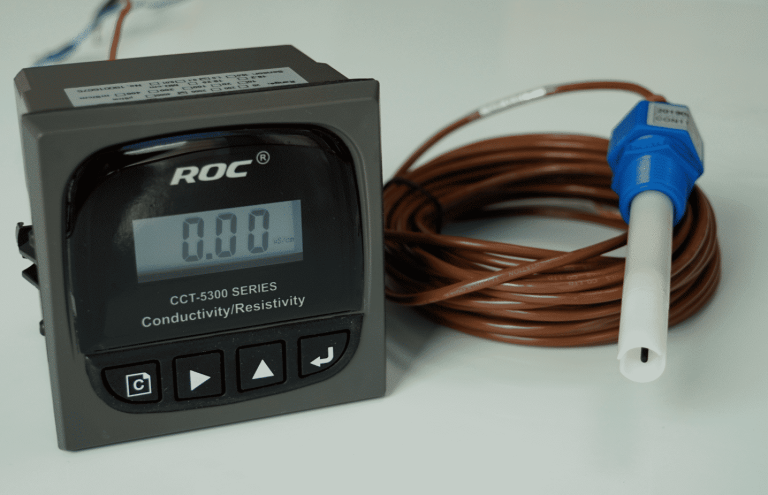
Inline dissolved oxygen transmitters providing continuous measurements eliminate the detection gaps inherent in periodic sampling approaches. Modern optical sensor technology offers advantages over electrochemical alternatives—faster response times, minimal maintenance requirements, and stability across varying sample conditions. These characteristics prove particularly valuable in aquaculture applications where sensor access for maintenance presents practical challenges.
The shift to continuous online monitoring enables real-time operational responses including automated aerator activation when dissolved oxygen falls below setpoints. According to aquaculture industry benchmarks, operations implementing continuous DO monitoring with automated control achieve average aeration energy savings of 25-35% compared to timer-based or manual aeration approaches.
Big Data Analytics for Predictive Management
Beyond real-time control, big data analytics enable predictive management strategies that address dissolved oxygen challenges before they manifest. Machine learning algorithms analyzing historical data—temperature patterns, feeding schedules, seasonal variations, stock density changes—predict future dissolved oxygen conditions based on current and forecast parameters.
Operations deploying predictive analytics report dissolved oxygen-related mortality reductions of 40-60% compared to reactive management approaches. Early warning systems provide hours of advance notice for anticipated low oxygen events, enabling proactive intervention rather than emergency response. The Journal of Aquaculture Research published studies demonstrating that predictive models achieve accuracy rates exceeding 85% for 6-hour dissolved oxygen forecasts under typical pond conditions.
Automated Control System Integration
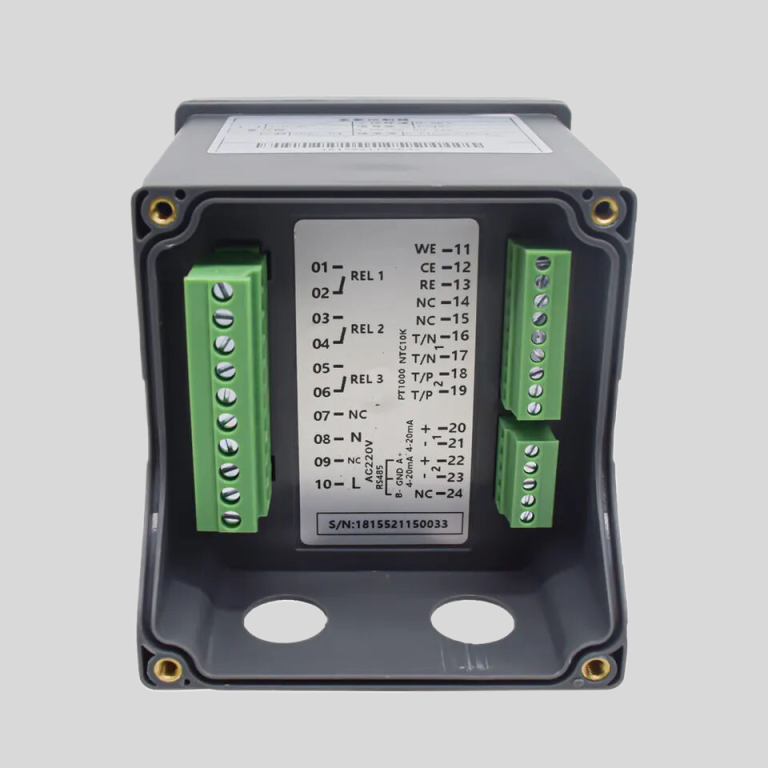
Full realization of data analytics benefits requires integration with automated control systems capable of executing management responses without human intervention. Aerator control systems accepting dissolved oxygen signals from online sensors automatically activate equipment when oxygen levels approach critical thresholds, ensuring response speed exceeding human monitoring capabilities.
Integration extends beyond simple on/off control to variable-speed aeration systems where output matches actual oxygen demand rather than operating at fixed capacities. This precision control approach delivers additional energy savings while maintaining tighter dissolved oxygen conditions throughout diurnal cycles. Industry data indicates that variable-frequency drive aerators with dissolved oxygen feedback achieve additional efficiency improvements of 15-20% over fixed-speed alternatives.
Economic Analysis and ROI Considerations
Investment in continuous monitoring, analytics platforms, and automated control systems requires substantial capital expenditure, yet economic analysis consistently demonstrates favorable returns in intensive aquaculture operations. Value derives from multiple sources: direct mortality prevention, feed conversion improvements from optimal oxygen conditions, energy savings from precision aeration, and reduced labor requirements.
Operations achieving production values exceeding $5,000 per hectare annually typically demonstrate payback periods under two years for comprehensive dissolved oxygen management systems. The calculation varies significantly with production intensity, energy costs, and local mortality risk profiles—high-density operations with elevated energy costs showing shortest payback periods.
Conclusion
Big data analytics and automated control systems represent the technological frontier in aquaculture dissolved oxygen management, transforming reactive crisis response into predictive operational optimization. Operations seeking competitive advantage through improved biological performance and operational efficiency should evaluate these technologies as strategic investments rather than discretionary expenditures. As sensor costs decline and analytics platforms mature, precision dissolved oxygen management will likely become standard practice across intensive aquaculture operations globally.