Table of Contents
Peroxyacetic Acid Advanced Oxidation for Pharmaceutical Micropollutant Degradation
Key Takeaways
- Peroxyacetic acid achieves over 90% degradation rates for pharmaceutical compounds at trace concentrations
- PAA generates reactive oxygen species including hydroxyl radicals (HO•) with an oxidation potential of 2.8 V
- Environmentally benign by-products make PAA superior to chlorine-based oxidants for water reuse applications
- Activation methods including UV, heat, and transition metals can enhance PAA efficiency by 40-60%
The pharmaceutical industry generates wastewater containing active pharmaceutical ingredients (APIs) and personal care products that conventional biological treatment systems fail to eliminate effectively. These micropollutants persist at concentrations ranging from ng/L to µg/L even after conventional treatment, creating environmental and public health concerns.
Peroxyacetic acid (PAA) has emerged as a promising advanced oxidation process (AOP) for pharmaceutical micropollutant degradation. Unlike traditional oxidants, PAA decomposes into acetic acid and hydrogen peroxide—compounds that do not form harmful disinfection by-products. According to research published in Molecules (2026), PAA generates hydroxyl radicals through homolytic cleavage of the peroxy bond, enabling non-selective oxidation of organic compounds.
Understanding PAA Oxidation Mechanisms
PAA operates through multiple reaction pathways depending on activation methods:
Thermal Activation: Heating PAA solutions to 40-60°C accelerates peroxy bond dissociation, increasing hydroxyl radical generation rates by approximately 45% compared to ambient temperature conditions. Thermal activation proves particularly effective for heat-tolerant industrial effluents.
UV Activation: Irradiation at wavelengths between 200-280 nm photolyzes PAA molecules, producing both hydroxyl radicals and acetylperoxy radicals. Research indicates UV/PAA systems achieve 35-50% higher degradation rates for refractory compounds compared to PAA alone.
Transition Metal Catalysis: Iron, manganese, and copper catalysts accelerate PAA decomposition through Fenton-like reactions. Cobalt-doped catalysts demonstrate particularly high activity, achieving complete degradation of ibuprofen and naproxen within 30 minutes in laboratory studies.
Comparative Performance Analysis
A comprehensive evaluation of pharmaceutical degradation technologies reveals PAA’s positioning:
| Technology | Removal Efficiency | Operating Cost (RMB/m³) | By-product Risk |
|---|---|---|---|
| PAA Advanced Oxidation | 90-97% | 0.85-1.45 | Low |
| Ozone/AOP | 85-95% | 1.20-2.10 | Moderate |
| Activated Carbon | 75-88% | 0.24-0.37 | Secondary waste |
| Membrane Filtration | 92-99% | 2.50-4.20 | Concentrate |
Data from multiple pilot studies indicate that PAA achieves competitive removal rates at lower operational costs than membrane processes while avoiding the concentrate disposal challenges associated with adsorption technologies.
Industrial Applications and Integration
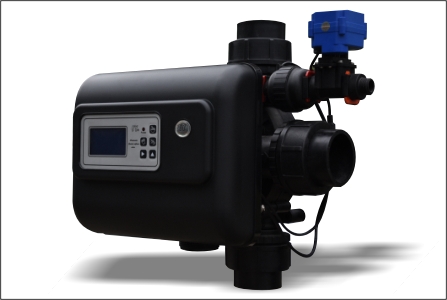
Pharmaceutical manufacturers increasingly integrate PAA systems into existing treatment trains. The technology’s modular design allows retrofitting into facilities with limited space, while its compatibility with automated dosing systems enables real-time response to influent variability.
Case studies from European pharmaceutical facilities demonstrate that PAA pretreatment before biological treatment improves overall organic removal by 25-30%, reducing downstream biological oxygen demand (BOD) loads and improving permit compliance reliability.
Selection Criteria for PAA Implementation
Facilities considering PAA adoption should evaluate:
Water Matrix Compatibility: High organic content can scavenge hydroxyl radicals, reducing treatment efficiency. Influent COD should remain below 500 mg/L for optimal performance.
Temperature Stability: PAA decomposition rates increase exponentially above 40°C. Facilities should implement cooling systems for high-temperature waste streams.
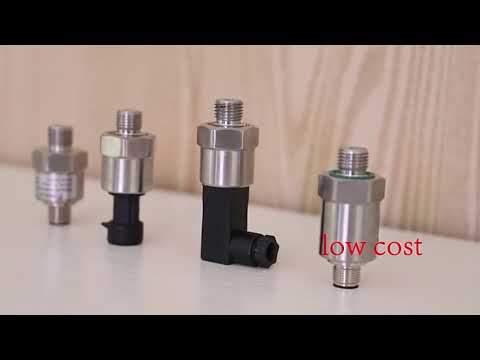
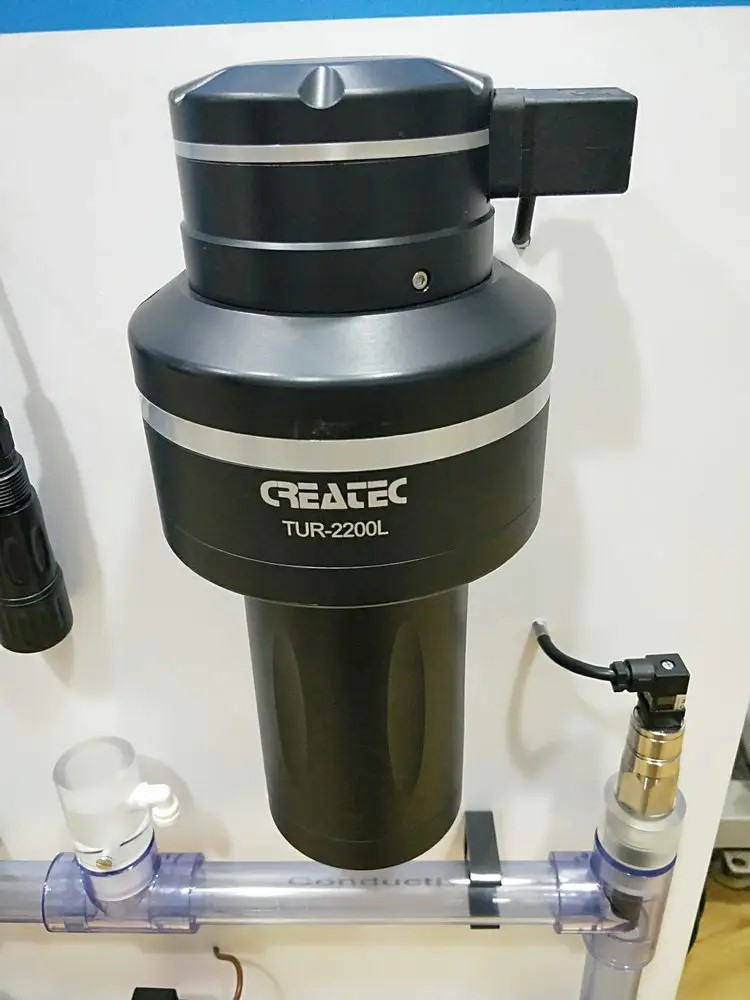
Monitoring Requirements: Real-time sensors for residual oxidant concentration and TOC reduction enable optimization of dosing rates, typically ranging from 5-20 mg/L PAA depending on target compounds.
Future Development Directions
Emerging research focuses on catalyst development to enhance PAA activation under ambient conditions. Nanostructured iron oxides and biochar-supported catalysts demonstrate promise for reducing energy inputs while maintaining high degradation efficiency. Additionally, hybrid systems combining PAA with membrane separation aim to achieve near-complete pharmaceutical removal suitable for water reuse applications.
For facilities seeking compliance with increasingly stringent pharmaceutical discharge standards, PAA advanced oxidation represents a technically proven and economically viable treatment option. The technology’s environmental profile and operational flexibility position it as a key component of next-generation wastewater treatment strategies.
Article #826 | ChiMay online water quality analyzer | ChiMay Residual Chlorine Transmitter for process monitoring