Table of Contents
Key Takeaways
- PFAS compounds have been detected in over 2,800 locations across the United States, affecting water supplies for millions of people
- EPA's new MCL sets limits at 4 parts per trillion for PFOA and PFOS, the lowest levels analytically achievable
- Industries must implement advanced monitoring to ensure compliance and protect public health
Per- and polyfluoroalkyl substances (PFAS) represent one of the most significant environmental contamination challenges of our generation. Understanding these compounds and implementing effective monitoring strategies is essential for industries that discharge to water systems or supply water to communities.
What Are PFAS Compounds?
PFAS are a family of synthetic chemicals characterized by a carbon chain bonded to fluorine atoms. The carbon-fluorine bond is one of the strongest in organic chemistry, making PFAS extremely persistent in the environment. This persistence has earned PFAS the nickname "forever chemicals."
Common PFAS Compounds
| Compound | Abbreviation | Primary Uses |
|---|---|---|
| Perfluorooctanoic acid | PFOA | Manufacturing, consumer products |
| Perfluorooctane sulfonic acid | PFOS | Firefighting foam, coatings |
| Perfluorohexane sulfonic acid | PFHxS | Textile treatments |
| GenX chemicals | HFPO-DA | Teflon manufacturing replacement |
Sources of PFAS Contamination
Industrial Sources:
- Chemical manufacturing facilities
- Metal plating and finishing operations
- Paper and packaging manufacturers
- Semiconductor manufacturing
- Textile and leather processing
Commercial Sources:
- Aqueous film-forming foam (AFFF) for firefighting
- Landfills receiving PFAS-containing products
- Wastewater treatment plant effluents
- Agricultural applications via biosolids
Health Effects of PFAS Exposure
Extensive research has documented adverse health effects from PFAS exposure:
Human Health Impacts
- Immune system effects: Reduced vaccine response, increased infection susceptibility
- Thyroid disruption: Altered hormone levels affecting metabolism
- Reproductive effects: Reduced fertility, developmental delays
- Cancer risk: Linked to kidney and testicular cancers
- Cholesterol elevation: Increased cardiovascular disease risk
The EPA's state-of-the-science assessment concludes that PFAS exposure at current detection levels presents human health concerns across multiple endpoints.
Environmental Impacts
- Bioaccumulation in aquatic organisms
- Biomagnification through food chains
- Long-term ecosystem contamination
- Effects on wildlife reproduction and survival
Regulatory Landscape
EPA Actions
National Primary Drinking Water Regulation (2024)
- PFOA: MCL of 4 ng/L (ppt)
- PFOS: MCL of 4 ng/L (ppt)
- PFHxS, PFNA, GenX: Hazard Index approach
- Compliance deadline: 2027 (systems must meet MCLs)
- Monitoring requirements: Quarterly for systems >10,000 population
PFAS Strategic Roadmap
- Near-term: Expand monitoring requirements
- Mid-term: Accelerate cleanup actions
- Long-term: Prevent future contamination
State Initiatives
Many states have implemented more stringent requirements:
- California: Maximum contaminant levels for PFOA, PFOS, PFHxS, PFNA, and GenX
- Michigan: Science-based criteria for multiple PFAS compounds
- New Jersey: First state to establish PFOS standard in drinking water
- Colorado: Tiered response levels for PFOA and PFOS
Advanced Monitoring Technologies
Traditional Analysis Limitations
Standard water quality monitoring parameters (pH, conductivity, turbidity) provide no information about PFAS contamination. Detecting PFAS requires specialized analytical techniques:
Challenges:
- Extremely low concentration limits (parts per trillion)
- Complex mixtures of PFAS compounds
- Background interferences from water matrix
- Limited availability of certified laboratories
Current Analytical Methods
EPA Method 533
- LC-MS/MS (liquid chromatography tandem mass spectrometry)
- 25 PFAS compounds analyzed
- Method detection limits: 1.3-4.4 ng/L
- Suitable for drinking water matrices
EPA Method 537.1
- LC-MS/MS methodology
- 18 PFAS compounds targeted
- MDLs as low as 0.2-1.8 ng/L
- Approved for EPA monitoring programs
Online Monitoring Technologies
While laboratory analysis remains the gold standard, emerging technologies enable continuous monitoring:
Immunosensor Technology
- Antibody-based detection of PFAS compounds
- Field-deployable platforms
- Screening-level quantification
- Suitable for rapid assessment
Electrochemical Sensors
- Emerging technology development
- Potential for continuous monitoring
- Calibration challenges at trace levels
- Future promise for real-time detection
Indirect Monitoring Approaches
- Total Oxidizable Precursor (TOP) assay
- Measures PFAS precursors that convert to terminal compounds
- Provides total PFAS estimate
- Useful for treatment system monitoring
Industrial Compliance Strategies
Monitoring Program Design
Industries must develop comprehensive PFAS monitoring programs:
Step 1: Source Assessment
- Identify PFAS-containing process streams
- Characterize wastewater discharge quality
- Evaluate off-site fate and transport
Step 2: Monitoring Location Selection
- Influent and effluent points
- Process stream samples
- Groundwater monitoring wells
- Receiving water downstream of discharge
Step 3: Sampling Protocol
- Use PFAS-specific sampling equipment
- Follow EPA sampling guidance
- Collect samples in appropriate containers
- Maintain chain of custody documentation
Step 4: Laboratory Selection
- Certified for EPA methods 533/537.1
- Demonstrated capability for required detection limits
- Appropriate quality assurance/quality control
Treatment Technology Options
Activated Carbon
- Proven effective for long-chain PFAS
- High adsorption capacity
- Requires regeneration/replacement
- Less effective for short-chain compounds
Ion Exchange Resins
- Selective removal of anionic PFAS
- Regenerable systems available
- High removal efficiency
- Higher operating costs
Reverse Osmosis
- Effective for virtually all PFAS compounds
- Produces concentrated waste stream
- High energy requirements
- Suitable for drinking water treatment
Advanced Oxidation Processes (AOP)
- Destructive treatment technology
- Can break down PFAS precursors
- High energy and chemical costs
- Still under development for terminal PFAS
Water Quality Sensor Integration
While specialized PFAS analysis requires laboratory methods, supporting water quality sensors play critical roles:
Effluent Monitoring
- Conductivity sensors detect ionic load changes
- TOC sensors indicate organic content variations
- pH monitoring ensures treatment system optimization
Process Control
- Flow measurement for loading calculations
- Temperature monitoring for treatment efficiency
- Level sensors for tank inventory management
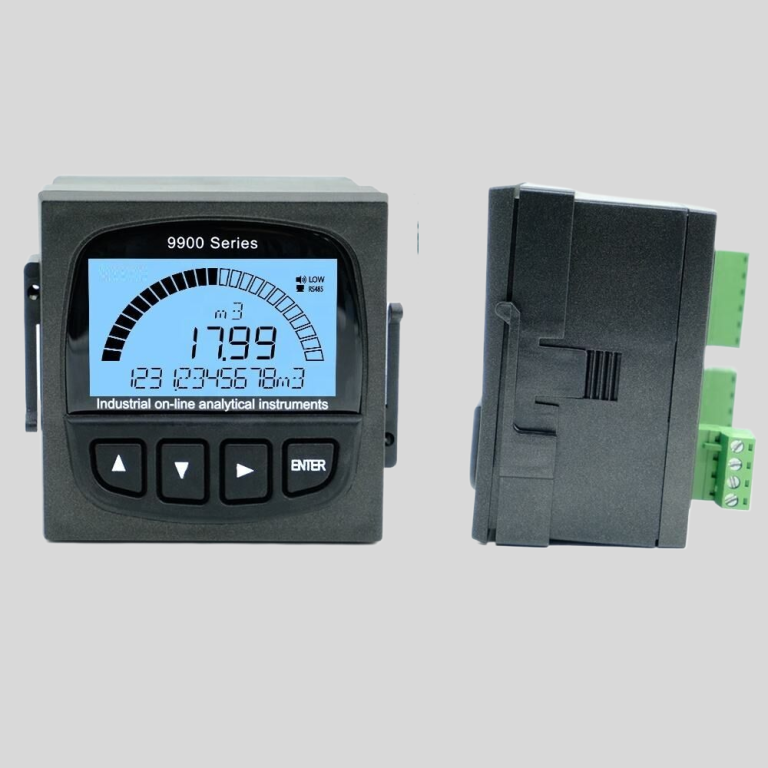
ChiMay sensors provide the foundational monitoring data that supports PFAS treatment system optimization and compliance documentation.
Economic Considerations
Compliance Costs
Monitoring Costs:
- Laboratory analysis: $300-500 per sample for 25-compound panel
- Sampling labor and equipment: $100-200 per sampling event
- Professional services for program design: $20,000-50,000 initial
Treatment Costs:
- Activated carbon systems: $0.50-2.00 per 1,000 gallons
- Ion exchange: $1.00-3.00 per 1,000 gallons
- Reverse osmosis: $2.00-5.00 per 1,000 gallons
Liability Implications
Industries that fail to address PFAS contamination face:
- Regulatory enforcement actions
- Cleanup cost liability potentially reaching billions
- Third-party litigation from affected communities
- Reputational damage affecting customer relationships
The proactive approach to PFAS monitoring and treatment protects both the environment and corporate interests.
Best Practices for Industrial Facilities
- Conduct comprehensive PFAS characterization of all process and waste streams
- Implement monitoring programs meeting or exceeding regulatory requirements
- Evaluate treatment options based on specific PFAS profiles and discharge limits
- Integrate PFAS monitoring with existing environmental management systems
- Document all monitoring and treatment activities for regulatory compliance
- Stay current with regulatory developments as PFAS regulations continue to evolve
- Engage with stakeholders including regulators, communities, and customers
Conclusion
PFAS contamination represents a defining environmental challenge for industries across sectors. The combination of stringent new regulations, widespread contamination, and growing public awareness demands immediate attention from facility operators.
While specialized PFAS analysis requires laboratory methods, comprehensive water quality monitoring—including parameters like conductivity, TOC, and pH—plays an essential supporting role in PFAS management programs. These measurements enable treatment system optimization, compliance documentation, and early detection of process changes that might affect PFAS discharge.
ChiMay's portfolio of water quality sensors provides the measurement foundation for effective environmental monitoring programs, supporting industries as they address PFAS challenges and protect water resources for communities and ecosystems.