
Table of Contents
تاريخ السباكة: أول بلاستيك يستخدم في السباكة
نموذج
| أنبوب (أ) | الجذعية (ب) | 1801-أ |
|---|---|---|
| 1801-ج | 1/4 | 1/4 |
| نموذج | 1/4 | 3/28 |
أنبوب (أ)
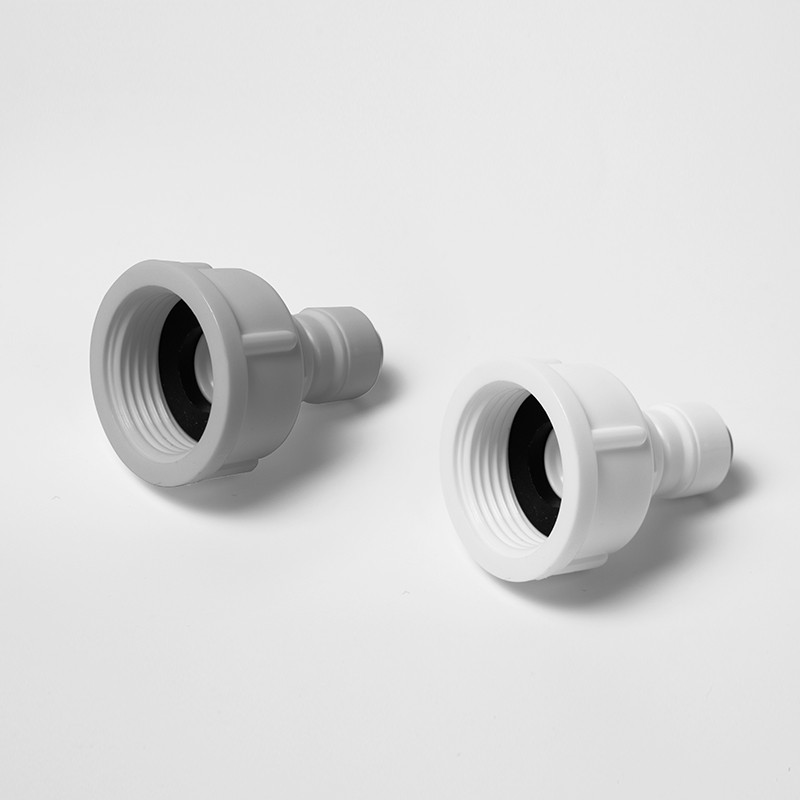
الجذعية (ب)
| 1801-أ | 1801-ج | مزايا وعيوب استخدام البلاستيك الأول في أنظمة السباكة |
|---|---|---|
| واحدة من المزايا الرئيسية لاستخدام أنابيب PVC في أنظمة السباكة هي متانتها. يمكن أن تدوم الأنابيب البلاستيكية لعقود من الزمن دون الحاجة إلى الاستبدال، مما يجعلها خيارًا فعالاً من حيث التكلفة لأصحاب المنازل والشركات على حدٍ سواء. بالإضافة إلى ذلك، الأنابيب البلاستيكية مقاومة للصدأ والتآكل، والتي يمكن أن تكون مشكلة شائعة مع الأنابيب المعدنية. وهذا يعني أن أنابيب PVC أقل عرضة لحدوث تسربات أو مشكلات أخرى بمرور الوقت، مما يوفر أموال أصحاب المنازل والشركات على الإصلاحات والصيانة.
ميزة أخرى لاستخدام أنابيب PVC في أنظمة السباكة هي مرونتها. يمكن ثني الأنابيب البلاستيكية بسهولة وتشكيلها لتتناسب مع العوائق، مما يجعلها مثالية للاستخدام في المساحات الضيقة أو المناطق ذات الوصول المحدود. تعمل هذه المرونة أيضًا على تسهيل تركيب أنابيب PVC، حيث يمكن قصها حسب الحجم وتوصيلها بتركيبات بسيطة، مما يقلل الحاجة إلى أدوات أو معدات متخصصة. على الرغم من مزاياها العديدة، إلا أن هناك بعض العيوب لاستخدام أنابيب PVC في أنظمة السباكة . أحد العوائق الرئيسية للأنابيب البلاستيكية هو قابليتها لدرجات الحرارة المرتفعة. يمكن أن تصبح الأنابيب البلاستيكية هشة وتتشقق عند تعرضها للحرارة الشديدة، مما قد يؤدي إلى حدوث تسربات ومشاكل أخرى. وهذا يعني أن أنابيب PVC قد لا تكون مناسبة للاستخدام في أنظمة الماء الساخن أو التطبيقات الأخرى حيث تشكل درجات الحرارة المرتفعة مصدر قلق. العيب الآخر لاستخدام أنابيب PVC في أنظمة السباكة هو تأثيرها البيئي. PVC هو نوع من البلاستيك غير قابل للتحلل، مما يعني أنه قد يستغرق مئات السنين ليتحلل في البيئة. يمكن أن يؤدي ذلك إلى التلوث والإضرار بالحياة البرية إذا لم يتم التخلص من الأنابيب البلاستيكية بشكل صحيح. بالإضافة إلى ذلك، يمكن أن يؤدي إنتاج أنابيب PVC إلى إطلاق مواد كيميائية ضارة في البيئة، مما يساهم بشكل أكبر في التلوث والتدهور البيئي. في الختام، كان PVC أول بلاستيك يستخدم في أنظمة السباكة وله العديد من المزايا، بما في ذلك المتانة والمرونة والتكلفة. فعالية. ومع ذلك، هناك أيضًا عيوب لاستخدام الأنابيب البلاستيكية، مثل قابليتها لدرجات الحرارة المرتفعة وتأثيرها على البيئة. يجب على أصحاب المنازل والشركات أن يزنوا هذه العوامل بعناية عند التفكير في استخدام أنابيب PVC في أنظمة السباكة الخاصة بهم، وقد يرغبون في استكشاف مواد بديلة تقدم فوائد مماثلة دون عيوب PVC. |
1/4 | 1/4 |
| 1801-C | 1/4 | 3/27 |
While PVC and polyethylene are the most common types of plastic used in plumbing, there are other plastics that have been developed for specific applications. For example, cross-linked polyethylene (PEX) pipes are often used for radiant heating systems and potable water lines. PEX pipes are flexible and easy to install, making them a popular choice for residential plumbing projects.
Overall, the introduction of plastic pipes has had a significant impact on the plumbing industry, offering a more durable, cost-effective, and versatile alternative to traditional materials. PVC, polyethylene, and PEX pipes have revolutionized the way plumbing systems are designed and installed, making it easier and more affordable to provide clean water and remove waste from homes and buildings. As technology continues to advance, it is likely that new types of plastic pipes will be developed, further improving the efficiency and sustainability of plumbing systems.
Advantages and Disadvantages of Using the First Plastic in Plumbing Systems
Plastic has become a ubiquitous material in our modern world, with countless applications in various industries. When it comes to plumbing, plastic pipes have become a popular choice due to their durability, flexibility, and cost-effectiveness. But what was the first plastic used in plumbing, and what are the advantages and disadvantages of using it in plumbing systems?
The first plastic used in plumbing was polyvinyl chloride, or PVC. PVC was first developed in the early 20th century and quickly gained popularity due to its low cost, ease of installation, and resistance to corrosion. PVC pipes are lightweight, making them easy to transport and install, and they are also resistant to chemicals and abrasion, making them ideal for use in a variety of plumbing applications.
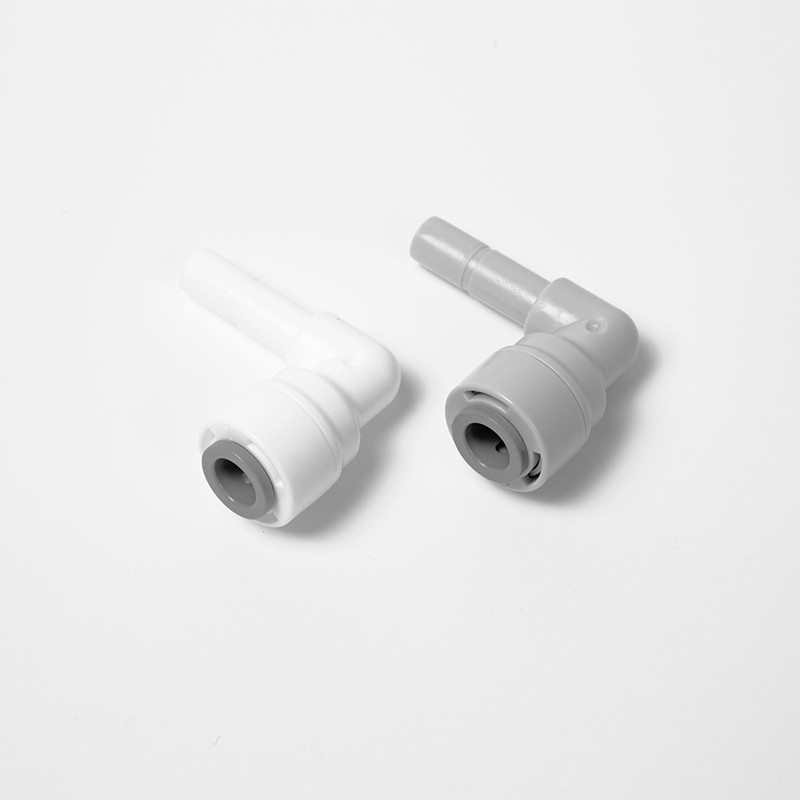
One of the main advantages of using PVC pipes in plumbing systems is their durability. PVC pipes can last for decades without needing to be replaced, making them a cost-effective option for homeowners and businesses alike. Additionally, PVC pipes are resistant to rust and corrosion, which can be a common problem with metal pipes. This means that PVC pipes are less likely to develop leaks or other issues over time, saving homeowners and businesses money on repairs and maintenance.
Another advantage of using PVC pipes in plumbing systems is their flexibility. PVC pipes can be easily bent and shaped to fit around obstacles, making them ideal for use in tight spaces or areas with limited access. This flexibility also makes PVC pipes easier to install, as they can be cut to size and connected with simple fittings, reducing the need for specialized tools or equipment.
Despite their many advantages, there are some disadvantages to using PVC pipes in plumbing systems. One of the main drawbacks of PVC pipes is their susceptibility to high temperatures. PVC pipes can become brittle and crack when exposed to extreme heat, which can lead to leaks and other issues. This means that PVC pipes may not be suitable for use in hot water systems or other applications where high temperatures are a concern.
Another disadvantage of using PVC pipes in plumbing systems is their environmental impact. PVC is a type of plastic that is not biodegradable, meaning that it can take hundreds of years to break down in the environment. This can lead to pollution and harm to wildlife if PVC pipes are not disposed of properly. Additionally, the production of PVC pipes can release harmful chemicals into the environment, further contributing to pollution and environmental degradation.
In conclusion, PVC was the first plastic used in plumbing systems and has many advantages, including durability, flexibility, and cost-effectiveness. However, there are also disadvantages to using PVC pipes, such as their susceptibility to high temperatures and their environmental impact. Homeowners and businesses should weigh these factors carefully when considering whether to use PVC pipes in their plumbing systems, and may want to explore alternative materials that offer similar benefits without the drawbacks of PVC.