Table of Contents
Importance of Regular Water Quality Testing in Melbourne
Water quality testing is a crucial aspect of maintaining public health and safety in Melbourne. With the increasing population and urbanization in the city, the demand for clean and safe drinking water has never been higher. Regular water quality testing is essential to ensure that the water supply meets the required standards set by regulatory bodies.
One of the main reasons why water quality testing is important in Melbourne is to prevent the spread of waterborne diseases. Contaminated water can harbor harmful bacteria, viruses, and parasites that can cause illnesses such as diarrhea, cholera, and typhoid fever. By regularly testing the water supply, authorities can detect any potential contaminants and take appropriate measures to ensure that the water is safe for consumption.
In addition to protecting public health, water quality testing also plays a crucial role in protecting the environment. Pollution from industrial activities, agriculture, and urban runoff can contaminate water sources and harm aquatic ecosystems. Regular testing helps to identify sources of pollution and allows authorities to implement measures to reduce contamination and protect the environment.
Furthermore, water quality testing is essential for ensuring compliance with regulatory standards. In Melbourne, water quality is regulated by the Department of Health and Human Services, which sets strict guidelines for the levels of contaminants allowed in drinking water. Regular testing helps water authorities to monitor compliance with these standards and take corrective action if necessary.
Another important reason for conducting regular water quality testing is to ensure the efficiency of water treatment processes. Water treatment plants use a variety of methods to remove contaminants from the water supply, such as filtration, disinfection, and chemical treatment. By testing the water before and after treatment, authorities can assess the effectiveness of these processes and make adjustments as needed to ensure that the water is safe for consumption.
In Melbourne, water quality testing is typically conducted by accredited laboratories that use state-of-the-art equipment and techniques to analyze water samples. These laboratories test for a wide range of contaminants, including bacteria, viruses, chemicals, and heavy metals. The results of these tests are used to assess the overall quality of the water supply and identify any potential risks to public health.
It is important for residents of Melbourne to be aware of the importance of regular water quality testing and to support efforts to ensure the safety of the water supply. By staying informed about water quality issues and participating in initiatives to protect water sources, residents can help to safeguard public health and the environment for future generations.
In conclusion, water quality testing is a critical component of ensuring the safety and reliability of the water supply in Melbourne. By regularly testing for contaminants, monitoring compliance with regulatory standards, and protecting the environment, authorities can ensure that residents have access to clean and safe drinking water. It is essential for all stakeholders to work together to support efforts to maintain high water quality standards and protect public health in the city.
Common Contaminants Found in Melbourne’s Water Supply
Water quality testing is an essential process that helps ensure the safety of our drinking water. In Melbourne, like in many other cities around the world, water quality testing is conducted regularly to monitor for the presence of contaminants that could pose a risk to public health. There are several common contaminants that are often found in Melbourne’s water supply, and understanding what these contaminants are and how they can affect our health is crucial.
One of the most common contaminants found in Melbourne’s water supply is chlorine. Chlorine is added to water as a disinfectant to kill harmful bacteria and other microorganisms. While chlorine is effective at killing these pathogens, it can also react with organic matter in the water to form disinfection byproducts (DBPs) such as trihalomethanes (THMs) and haloacetic acids (HAAs). These DBPs have been linked to an increased risk of cancer and other health problems, which is why it is important to monitor their levels in the water supply.
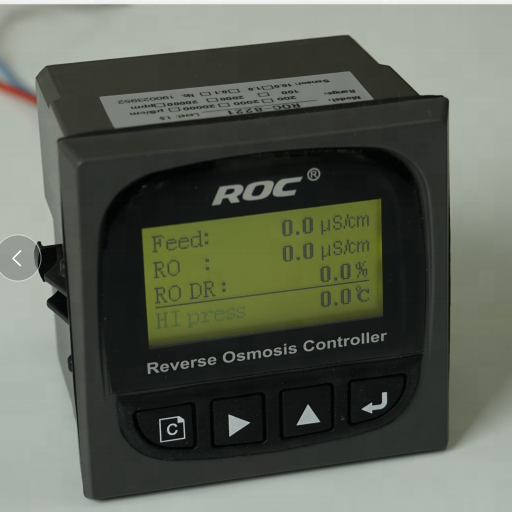
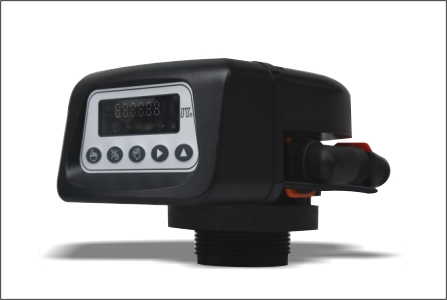
| ROS-2015 Single Stage Reverse Osmosis Program Controller | |
| \\u3000 | 1.water source water tank without water protection |
| \\u3000 | 2. low pressure protection |
| Acquisition signal | 3.pure water tank full protection |
| \\u3000 | 4.high pressure protection |
| \\u3000 | 5.external control(manual/automatic switch) |
| \\u3000 | 1.water inlet valve |
| Output control | 2. flush valve |
| \\u3000 | 3. low pressure pump |
| \\u3000 | 4.high pressure pump |
| \\u3000 | AC220v\\u00b110% 50/60Hz |
| Power supply | AC110v\\u00b110% 50/60Hz |
| \\u3000 | DC24v\\u00b110% |
| Control output | 5A/250V AC |
| Flush the way | Low pressure flush/ high pressure flush |
| Relative humidity | \\u226485% |
| Ambient temperature | 0~50\\u2103 |
| Hole Size | 45*92mm(high*wide) |
| Installation method | The embedded |
| Display usage | Standard RO process flow chart, supporting LED dynamic display |
| Process control | When the system is turned on for the first time,the system performs 30s membrane flushing,\\u00a0 |
| instructions | and flush 10s when the machine is running and the water tank is full. Run continuously for 3h |
| \\u3000 | or stand by for 3h when the water is full, automatically intervene in flushing for 10s |
Another common contaminant found in Melbourne’s water supply is lead. Lead can enter the water supply through corroded pipes and plumbing fixtures, especially in older buildings. Exposure to lead can have serious health effects, particularly in children and pregnant women. Lead poisoning can cause developmental delays, learning disabilities, and other serious health problems. Regular testing for lead in the water supply is essential to ensure that levels are below the safe limits set by regulatory agencies.
Arsenic is another common contaminant found in Melbourne’s water supply. Arsenic is a naturally occurring element that can leach into groundwater from rocks and soil. Long-term exposure to arsenic in drinking water has been linked to an increased risk of cancer, cardiovascular disease, and other health problems. Monitoring for arsenic in the water supply is important to ensure that levels are within safe limits.

Nitrate is a common contaminant found in Melbourne’s water supply, particularly in rural areas where agricultural runoff can contaminate groundwater. High levels of nitrate in drinking water can pose a risk to infants and pregnant women, as it can interfere with the body’s ability to transport oxygen in the blood. Regular testing for nitrate in the water supply is important to protect vulnerable populations from potential health risks.
Microorganisms such as bacteria, viruses, and parasites are also common contaminants found in Melbourne’s water supply. These microorganisms can cause gastrointestinal illnesses such as diarrhea, vomiting, and stomach cramps. Monitoring for the presence of these pathogens in the water supply is essential to prevent outbreaks of waterborne diseases.
In conclusion, water quality testing is a critical process that helps ensure the safety of Melbourne’s drinking water. By monitoring for common contaminants such as chlorine, lead, arsenic, nitrate, and microorganisms, we can protect public health and prevent waterborne illnesses. Regular testing and monitoring of the water supply are essential to ensure that levels of contaminants are within safe limits. By staying informed about the quality of our drinking water and taking steps to address any issues that arise, we can all play a role in safeguarding the health of our community.